
Garden Fencing Tips to Boost Curb Appeal
A beautiful garden can transform the appearance of a home, creating an inviting atmosphere that welcomes visitors and enhances the surrounding landscape. While flowers, shrubs, and neatly maintained lawns contribute to an attractive exterior, fencing plays an equally important role in defining outdoor spaces. The right fence can complement architectural features, establish clear boundaries, and provide a polished finishing touch that improves the property’s overall appearance.
Investing in garden fencing offers homeowners an opportunity to combine visual appeal with practical functionality. Beyond creating privacy and protecting landscaping, an attractive fence can contribute to a property’s perceived value. In fact, according to RubyHome, well-maintained landscaping can increase home values by 15-20%. Thoughtful fencing choices can support these improvements by creating a cohesive outdoor design that highlights a home’s best features.
Choose a Fence Style That Complements Your Home
Selecting a fence that harmonizes with a home’s architectural style is essential for creating a cohesive exterior. Traditional homes often benefit from classic picket fences or decorative wood designs that emphasize timeless charm. Contemporary properties may look more appealing with sleek metal fencing, horizontal panels, or minimalist designs featuring clean lines.
The relationship between a fence and the surrounding architecture extends beyond appearance. Fence height, spacing, and decorative details can influence how a property is perceived from the street. A design that complements existing architectural features helps establish visual continuity rather than introducing competing elements.
When evaluating garden fencing options, homeowners should consider the colors, textures, and structural characteristics already present throughout their property. Coordinating these elements allows the fence to feel like an intentional extension of the home’s design. A carefully selected style can enhance the landscape without overwhelming established features or drawing unnecessary attention away from the residence.
Select Durable Materials That Maintain Their Appearance
The material used for a garden fence significantly affects its appearance, longevity, and maintenance requirements. Wood remains a popular choice because of its natural warmth and versatility. Its organic texture blends beautifully with flowers, shrubs, and mature trees, making it especially attractive in traditional landscapes.
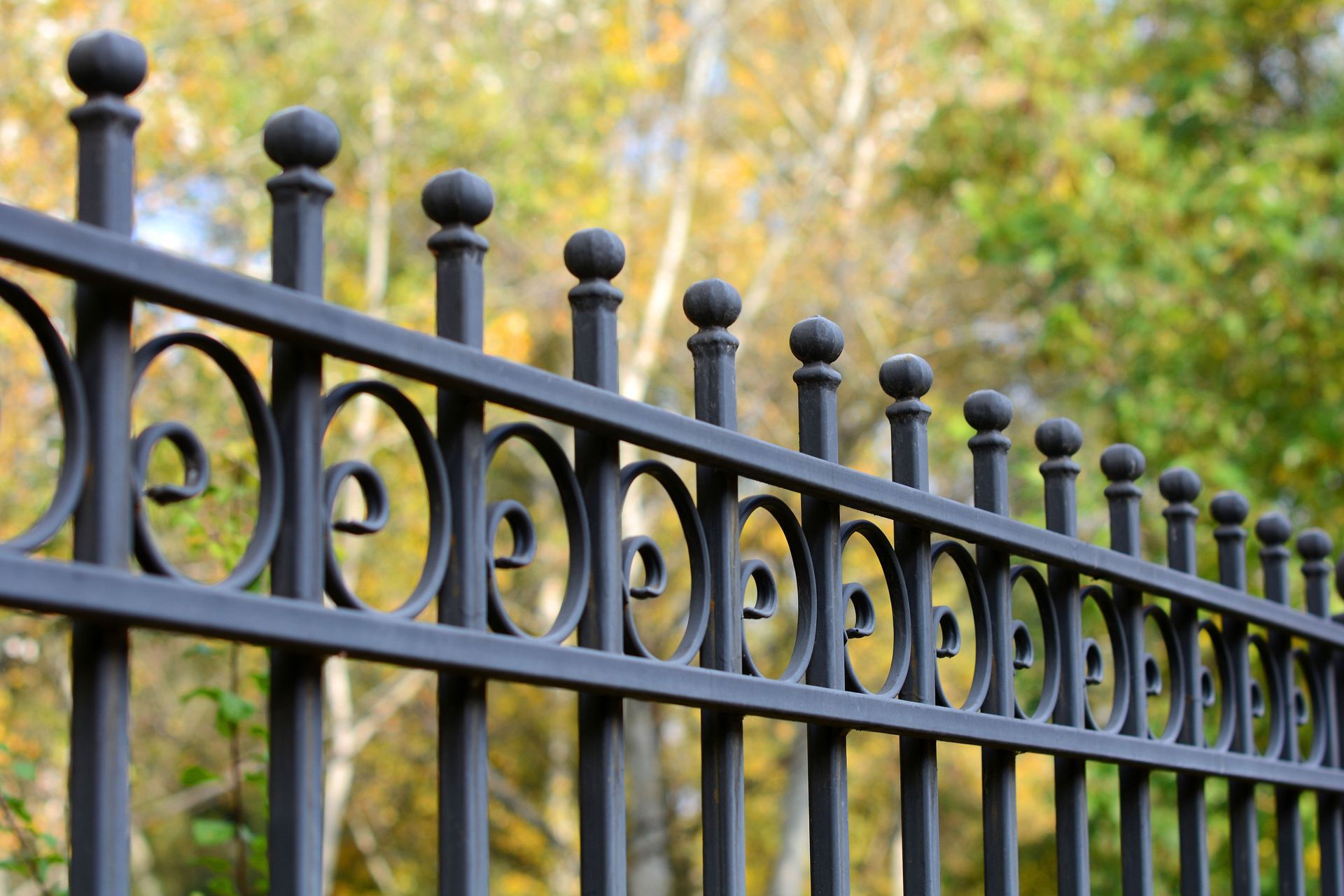
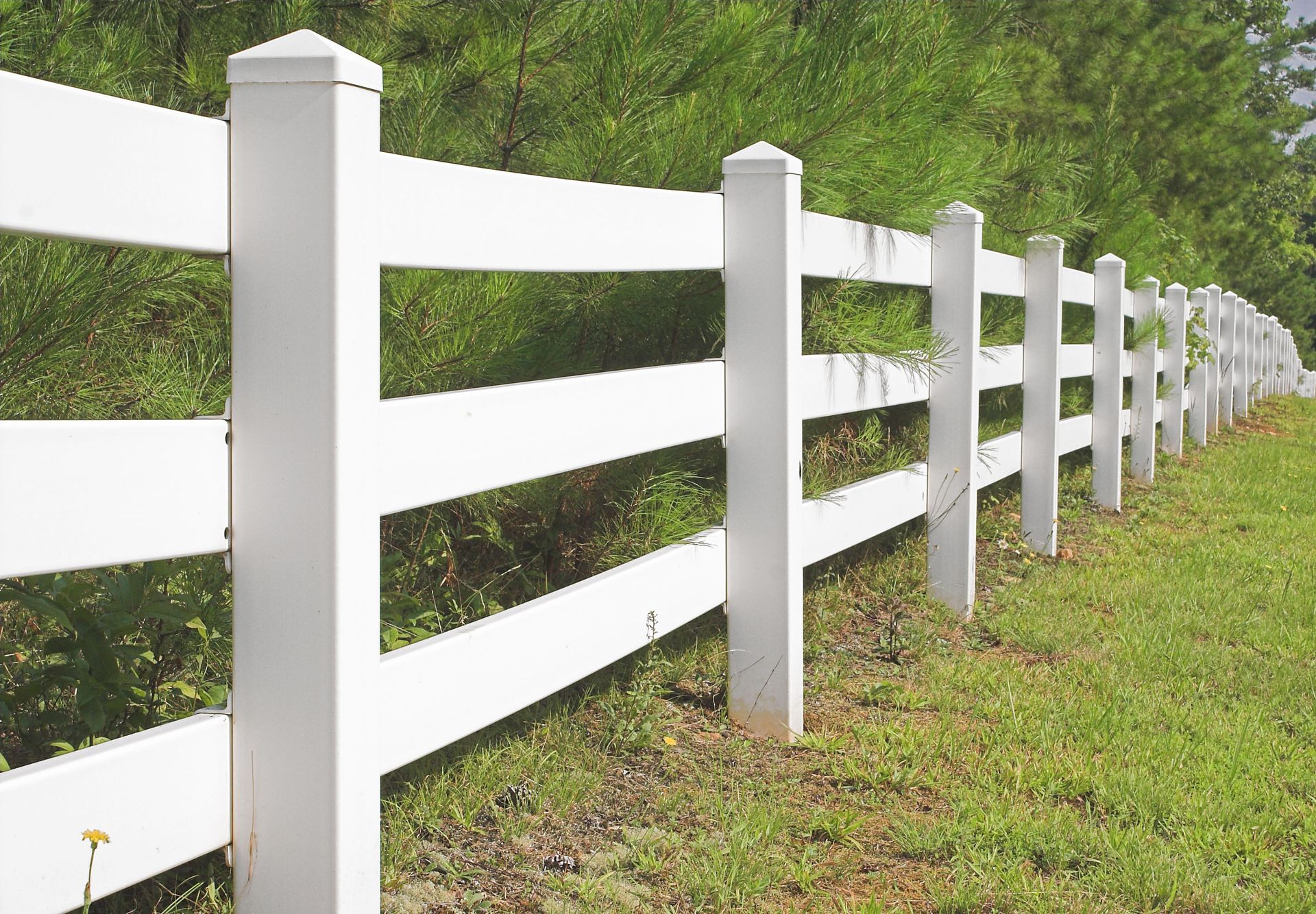
Vinyl fencing offers another option for homeowners seeking consistent visual appeal with relatively minimal maintenance. Its resistance to moisture and common environmental conditions helps preserve its appearance over time. Metal fencing, including aluminum and ornamental steel, can create an elegant look while providing durable structural support.
Choosing appropriate materials for garden fencing involves considering local weather conditions, desired aesthetics, and long-term maintenance expectations. Materials that maintain their color, shape, and structural integrity contribute to an attractive landscape throughout changing seasons.
Coordinate Fence Colors With Your Landscape
Color plays an important role in establishing an attractive relationship between fencing, landscaping, and residential architecture. A well-chosen fence color can highlight surrounding greenery, complement exterior finishes, and create visual balance across the property.
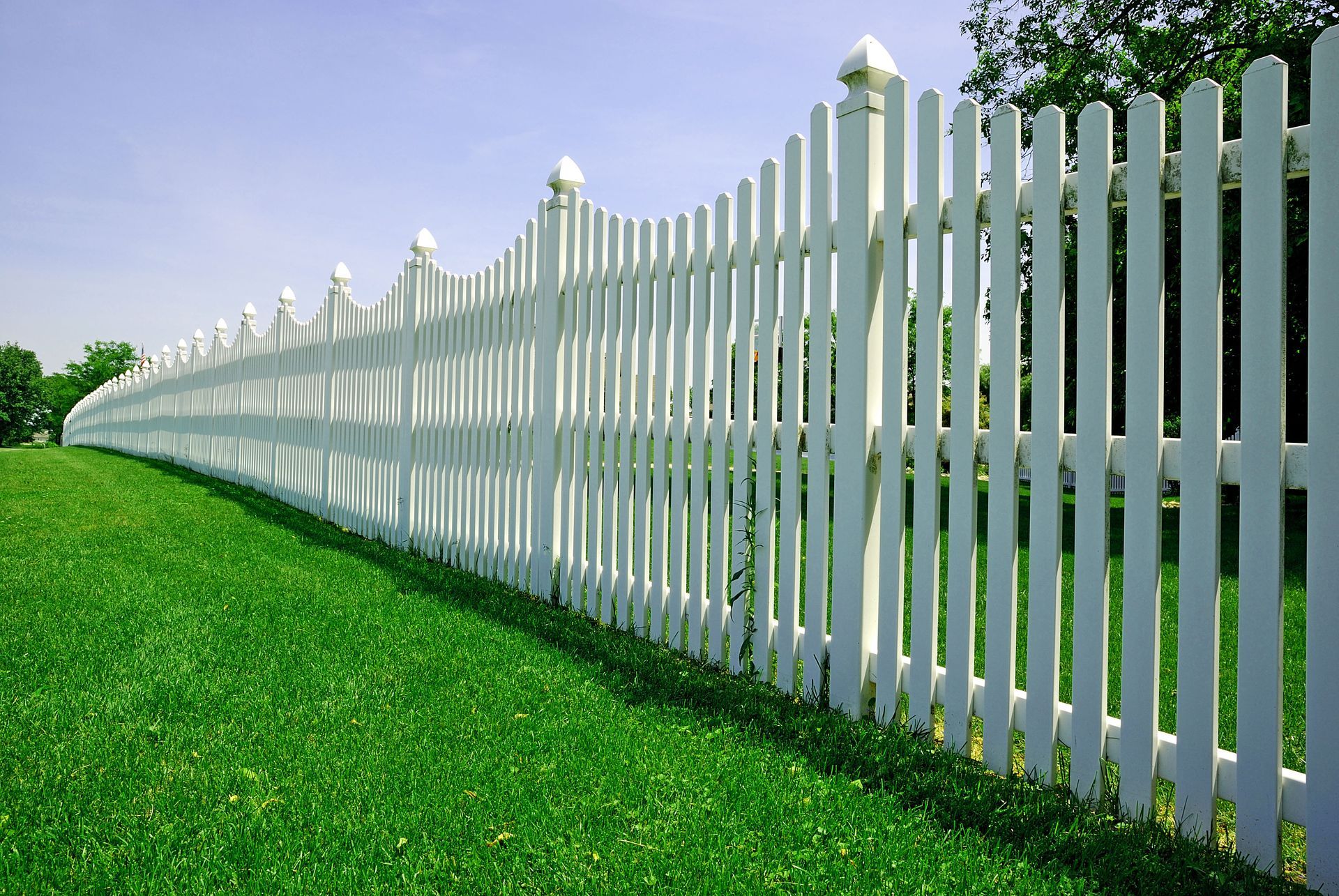
White fences provide a classic appearance that pairs particularly well with colorful flowers and traditional homes. Natural wood tones introduce warmth and blend comfortably with gardens featuring organic textures. Darker colors, including charcoal and black, can create striking contrast against bright foliage while supporting contemporary architectural styles.
When selecting colors for garden fencing, homeowners should consider how the fence will appear throughout different seasons. Gardens frequently change in color and density as plants grow, bloom, and enter dormant periods. A versatile fence color can maintain visual harmony despite these natural transitions.
Coordinating fencing with existing exterior elements, such as shutters, trim, walkways, and outdoor furniture, can further strengthen the property’s appearance. Rather than matching every feature exactly, complementary colors often create a more sophisticated and visually interesting landscape.
Incorporate Decorative Features That Add Character
Decorative fencing elements can elevate an ordinary boundary into an appealing architectural feature. Details such as ornamental post caps, lattice panels, decorative gates, and carefully designed accents introduce personality while maintaining the practical benefits of a fence.
The most effective decorative features typically complement the surrounding environment rather than competing with it. For example, a decorative gate can create an attractive entrance to a landscaped garden, while lattice accents may provide visual interest without making the space feel enclosed.
Homeowners exploring garden fencing designs should consider how decorative details relate to their property’s overall aesthetic. Traditional landscapes may benefit from gently curved features or classic ornamental patterns. Modern properties often look best with understated accents and consistent geometric shapes.
Decorative elements can also establish focal points that guide attention toward attractive landscaping features. When thoughtfully incorporated, these details create a sense of craftsmanship and refinement that strengthens curb appeal without making the exterior appear overly elaborate.
Balance Privacy With an Open and Inviting Design
Privacy is an important consideration for many homeowners, particularly when outdoor spaces are used for relaxation, entertaining, or family activities. However, fencing that provides privacy should also complement the property’s appearance and maintain an inviting atmosphere.
Solid privacy panels can create comfortable backyard retreats, while open picket designs and ornamental metal fences allow greater visibility into landscaped areas. The most suitable approach depends on the location of the fence and the intended purpose of the surrounding space.
Choosing garden fencing that balances openness and privacy helps preserve attractive views while providing appropriate separation from neighboring properties. Front gardens may benefit from lower, more open designs that showcase landscaping, while backyard spaces might require taller panels for additional screening.
Strategic design choices can prevent privacy fences from appearing excessively imposing. Attractive materials, balanced proportions, and complementary landscaping help soften their appearance. This thoughtful combination supports comfortable outdoor living while contributing positively to the property’s exterior.
Highlight Garden Features With Thoughtful Fence Placement
Fence placement can significantly influence how landscaping is viewed and experienced. A fence positioned to complement existing garden beds, walkways, and architectural elements helps organize the outdoor environment and create a more polished appearance.
Well-defined boundaries can emphasize carefully maintained flower beds and distinguish landscaped areas from lawns or gathering spaces. Fencing can also establish visual transitions between different portions of a property, making the overall landscape feel more organized and intentional.
Thoughtful garden fencing placement considers natural sightlines and the relationship between outdoor features. A fence that frames an attractive planting area can draw attention to colorful vegetation, while a decorative entrance may highlight a garden pathway.
Professional planning is particularly valuable when properties feature uneven terrain, established landscaping, or unusual boundaries. Experienced fencing professionals can evaluate these conditions and recommend designs that preserve important landscape features while supporting the property’s functional requirements.
Maintain Your Fence to Preserve Long-Term Curb Appeal
Even the most attractive fencing materials require appropriate care to preserve their appearance. Exposure to sunlight, moisture, changing temperatures, and surrounding vegetation can gradually affect a fence’s condition.
Regular professional inspections can help identify concerns such as loose components, surface deterioration, discoloration, or structural movement before they become more noticeable. Addressing these issues supports the fence’s longevity and helps maintain a well-kept exterior.
Maintaining garden fencing also involves considering the surrounding landscape. Overgrown vegetation may conceal decorative features or create unwanted moisture exposure, while neglected garden beds can diminish the appearance of otherwise attractive fencing.
Different materials have distinct maintenance requirements. Wood fences may need periodic refinishing, while vinyl and certain metal products generally require less intensive upkeep. Understanding these differences helps homeowners select materials that align with their available maintenance resources.
A consistently maintained fence reinforces the impression of a cared-for property. Its appearance contributes to the overall landscape, helping preserve the visual benefits of the original investment.
An attractive garden fence does more than establish property boundaries. It contributes to architectural harmony, highlights landscaping features, and helps create an inviting outdoor environment. By considering style, materials, colors, decorative details, privacy, placement, and maintenance, homeowners can select fencing that strengthens their property’s appearance and functionality.
Professional guidance can make these decisions easier, particularly when balancing design preferences with structural requirements and long-term durability. The right combination of thoughtful planning and quality installation can create lasting improvements that homeowners appreciate for years.
At Young’s Fencing, we understand how important an attractive, dependable fence is to your property. Our team can help you explore fencing options that complement your home, enhance your landscape, and meet your practical needs. Contact us today to discuss your project and discover how we can help improve your home’s curb appeal with professionally installed fencing.



Share On: