
Fence Installations That Stand the Test of Time in Your Garden
A well-designed garden fence can provide privacy, security, structure, and visual appeal for years. Choosing durable materials is only part of the process. Landscape conditions, installation methods, weather exposure, and future needs can all affect how well a fence performs. Understanding these factors can help homeowners make informed decisions when planning fence installations that complement their gardens and withstand everyday outdoor conditions.
Choose Durable Fencing Materials
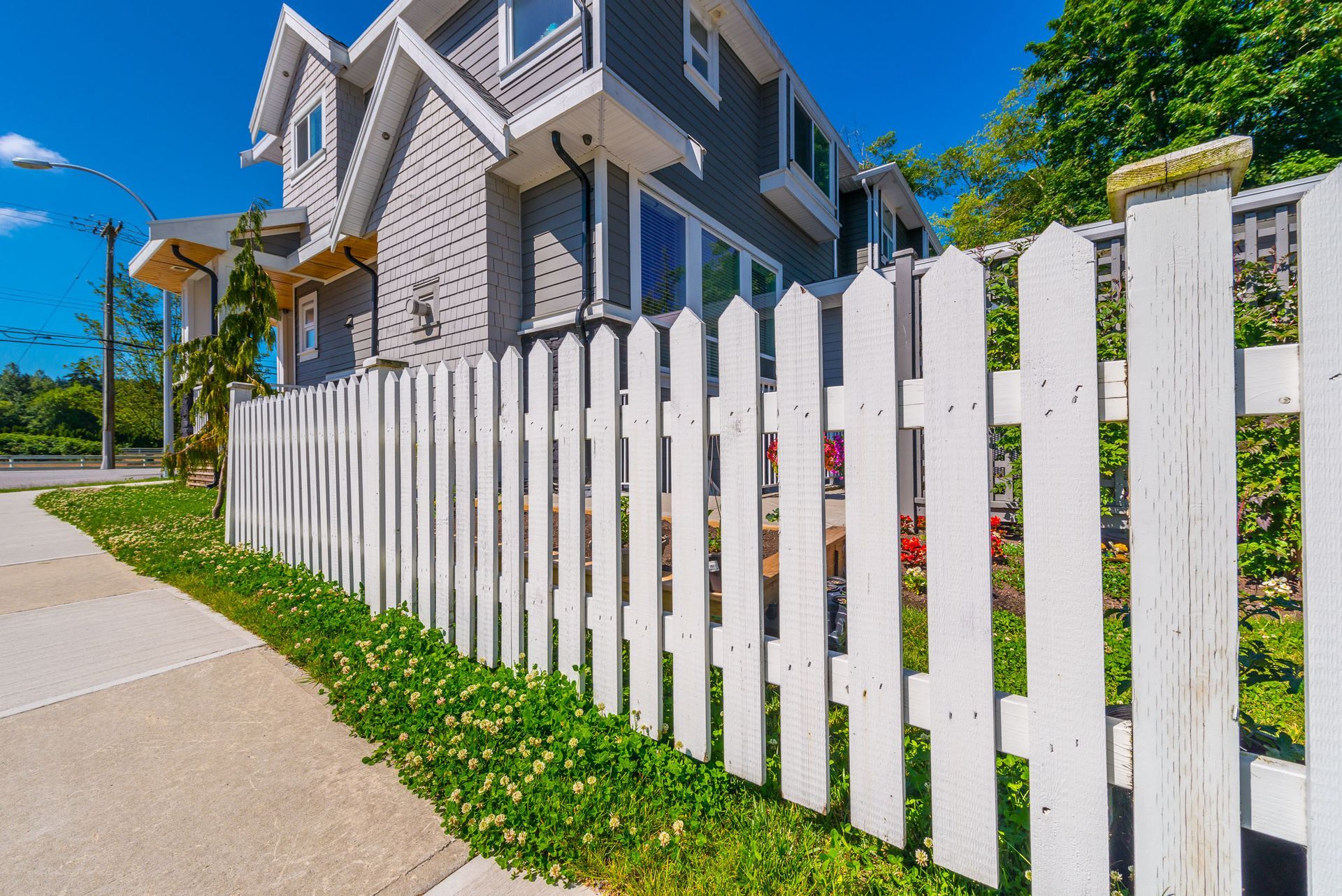
Consider Wood for Classic Appeal
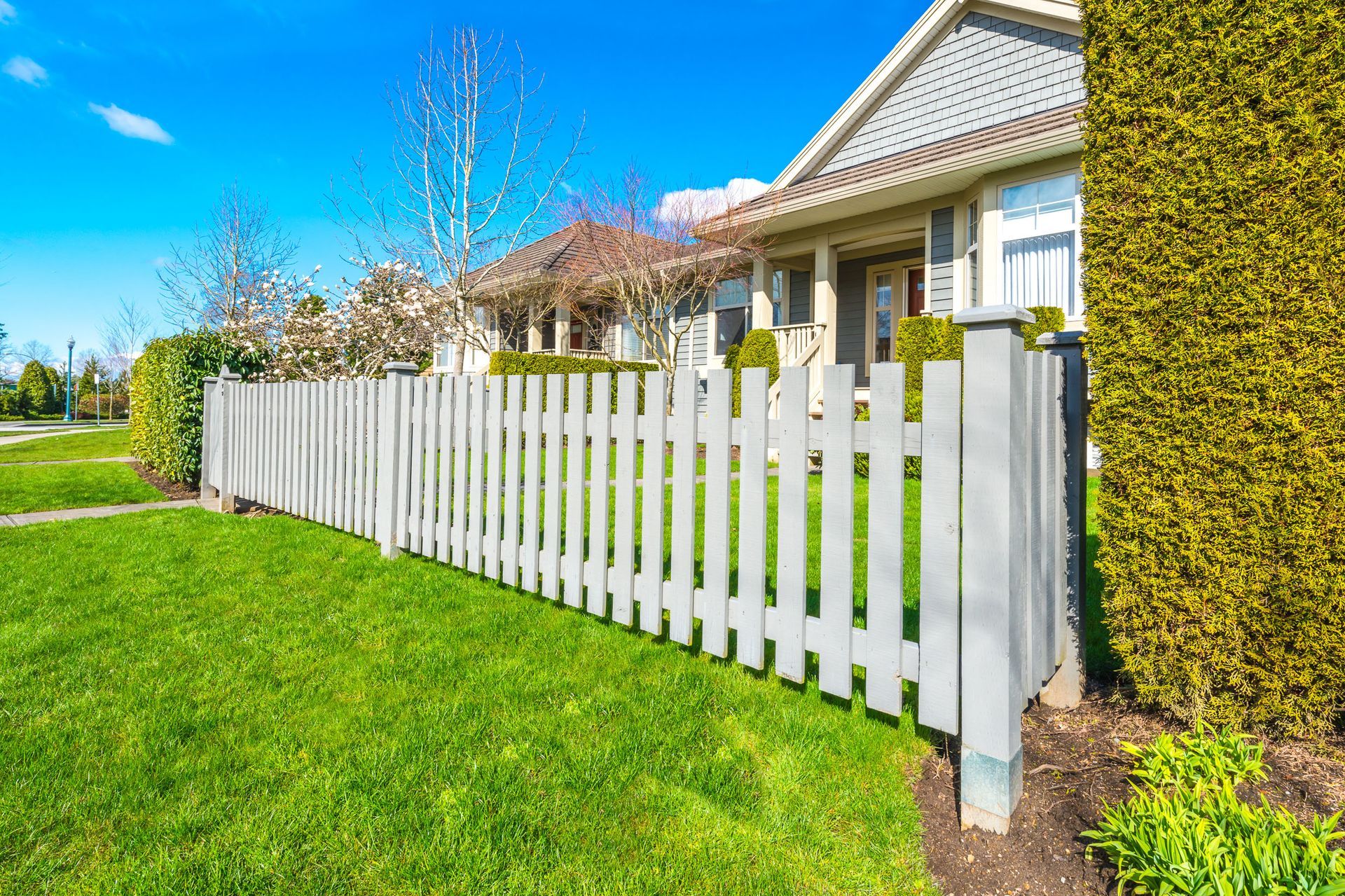
Wood remains a popular fencing material because it offers a warm, natural appearance and plenty of customization options. Cedar, redwood, and pressure-treated wood can provide different levels of durability and resistance to moisture, insects, and decay. Staining or sealing can further protect the material from weather exposure and help maintain its appearance.
Homeowners should consider their local climate when selecting wood. Humidity, rainfall, temperature changes, and direct sunlight can contribute to warping, cracking, or deterioration. With appropriate material selection and regular maintenance, wood can remain an attractive option for fence installations. According to HomeGuide, most fences last 15 to 30 years, while metal types can last longer.
Consider Metal for Long-Term Strength
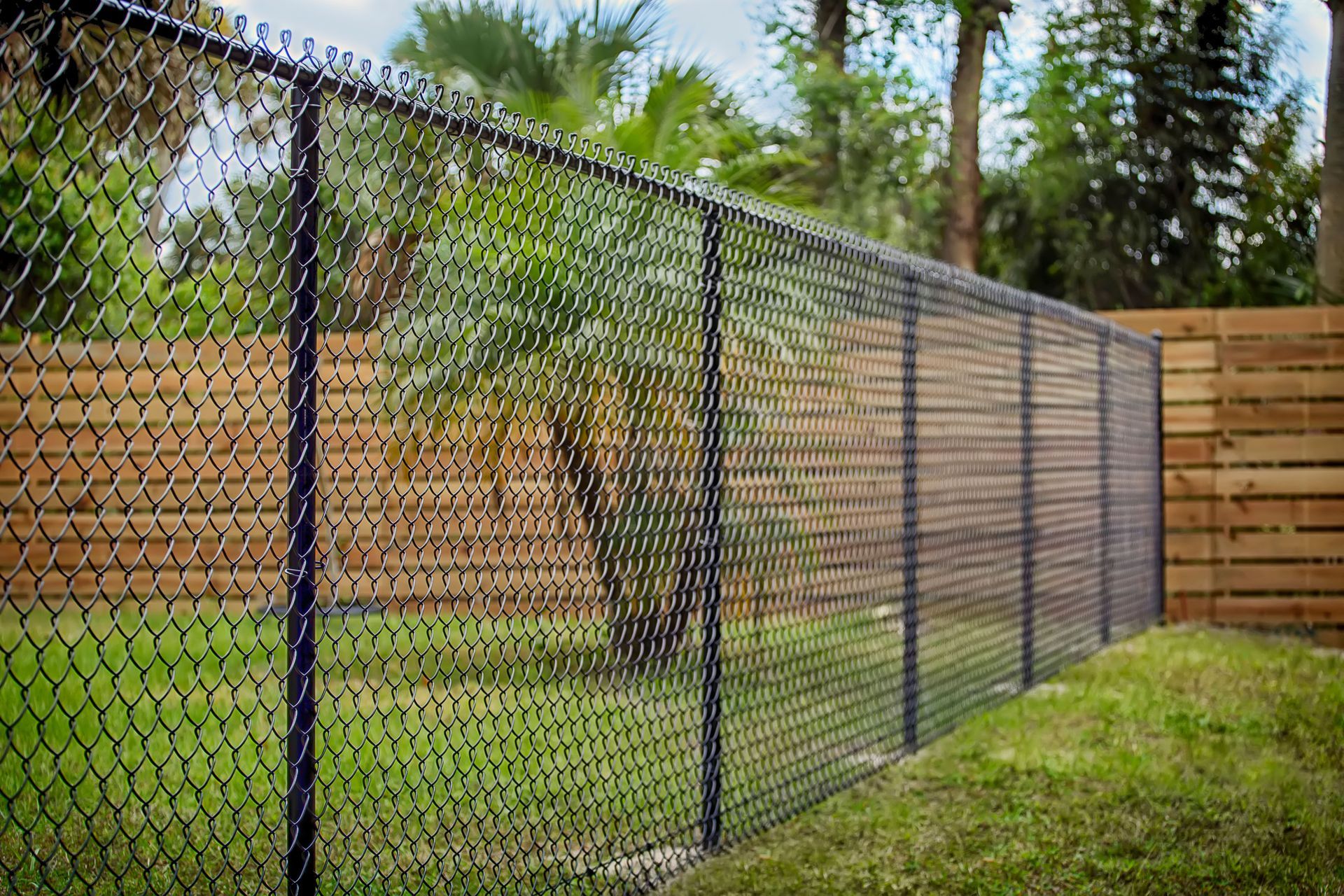
Aluminum, steel, and wrought iron offer durability along with a range of styles. Aluminum is lightweight and naturally resistant to rust, while steel and wrought iron provide substantial strength. Metal fencing can also require less routine maintenance than wood because it generally does not need regular staining or sealing.
Protective coatings can help metal resist corrosion, while periodic cleaning can keep the surface looking its best. Decorative designs, different finishes, and varying levels of privacy make metal adaptable to many garden styles. Its long potential lifespan can also make it an appealing investment for homeowners focused on durability.
Consider Vinyl for Easy Maintenance
Vinyl fencing provides a low-maintenance alternative to traditional materials. Made from PVC, it resists rot, insects, and many forms of weather-related deterioration. Vinyl is available in numerous colors and styles, including designs that resemble painted wood.
Unlike wood, vinyl typically does not require painting, staining, or sealing. Routine cleaning with water can often remove dirt and buildup. However, extreme temperatures can affect some vinyl products, so homeowners should select materials appropriate for their climate and rely on quality fence installations for lasting performance.
Consider Composite for Lasting Performance
Composite fencing combines wood fibers with plastic materials to create a durable alternative to traditional wood. Many composite products are designed to resist rot, insects, fading, warping, and splintering. They can provide the appearance of wood while requiring less maintenance.
Composite fencing often has a higher initial cost than some other materials, but reduced maintenance and a long service life can make it a practical investment. A variety of colors and styles also makes composite suitable for homeowners who want durability without sacrificing appearance.
Plan the Fence Around the Landscape
Evaluate Soil and Terrain
The surrounding landscape plays an important role in the stability of a fence. Soil composition, drainage, slopes, and ground movement can all affect the structure. Loose or sandy soil may require additional attention when setting posts, while areas with heavy rainfall may need drainage considerations to reduce moisture-related damage.
Trees and established plants should also be considered before fence installations begin. Growing roots can interfere with posts and foundations, while branches may place additional stress on fencing during storms. Planning around these conditions can help protect both the fence and the landscape.
Match the Fence to the Garden
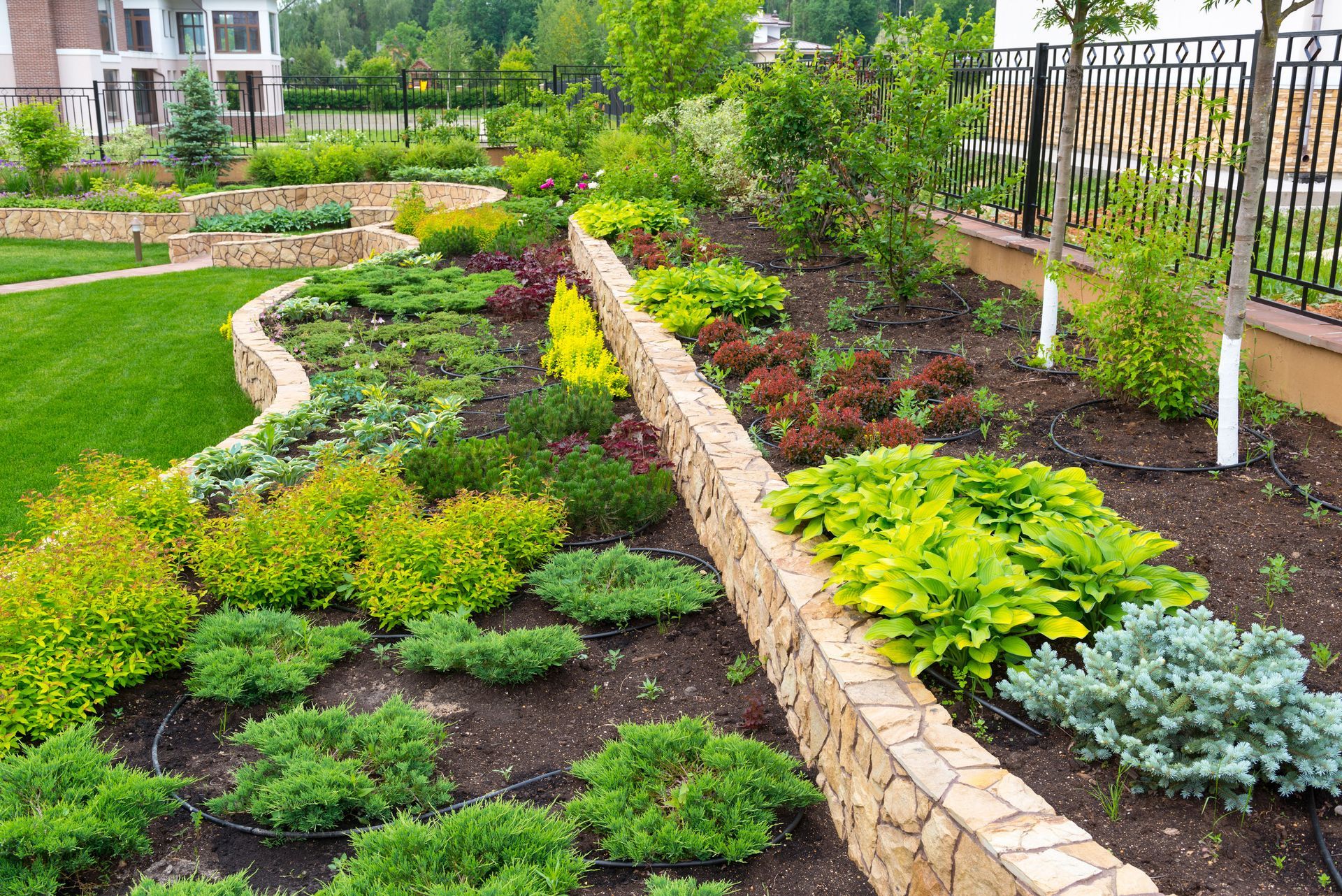
A fence should complement the garden rather than compete with it. Natural wood can work well with traditional or rustic landscapes, while metal may suit contemporary gardens. Vinyl and composite can provide a clean appearance in a variety of settings.
Details such as post caps, latticework, gates, decorative elements, and integrated planting can further connect the fence to the surrounding landscape. The height, scale, and color should also be proportionate to the garden and nearby structures. Thoughtful design can turn a functional boundary into an attractive part of the outdoor space.
Design for Structural Stability
A fence needs to withstand more than its own weight. Wind, soil movement, moisture, wildlife, and everyday contact can all place stress on the structure. Strong materials, properly positioned posts, secure connections, and appropriate spacing can help the fence remain stable.
Local conditions should guide design decisions. In areas with strong winds, for example, an overly solid fence can experience greater wind pressure. Proper planning allows homeowners to balance privacy, appearance, and structural requirements when developing fence installations.
Account for Local Weather
Weather exposure can have a significant effect on fencing materials. Rain and humidity can contribute to moisture damage, while sunlight can cause fading and deterioration. Freezing temperatures and repeated temperature changes can also affect certain materials.
Choosing weather-resistant materials and protective finishes can help address these challenges. Proper drainage around posts is especially important in wet areas. Regular inspections can also catch early signs of corrosion, cracking, leaning, or other weather-related problems before they become more serious.
Plan for Future Changes
Garden layouts can change as landscaping grows and homeowners' needs evolve. A flexible fence design can make future modifications easier. Modular sections, strategically positioned gates, and removable panels may provide useful adaptability.
Homeowners may also want to consider future additions such as outdoor lighting, security features, or new garden structures. Planning for these possibilities during the initial design can prevent unnecessary complications later and help fence installations remain useful as the property changes.
Use Reliable Installation Methods
Set Posts for Stability
Fence posts provide the primary structural support for many fencing systems, making proper installation essential. Post depth should account for factors such as fence height, soil conditions, and local weather. Appropriate footings can help reduce shifting, leaning, and movement over time.
Drainage should also be considered around posts, particularly in areas exposed to frequent rain. Preventing standing water can reduce the risk of moisture-related deterioration. Careful post placement and secure foundations establish the framework for durable fencing.
Secure Every Connection
Fasteners, brackets, screws, and other connections should be appropriate for the fencing material and resistant to outdoor exposure. Corrosion-resistant hardware can help maintain secure connections over time, particularly in damp environments.
Loose or damaged fasteners can contribute to movement and instability. Periodic inspections can identify these issues early, allowing repairs before a small problem affects a larger section of the fence. Properly secured components help support the overall strength of the structure.
Maintain Accurate Alignment
Careful measurement and alignment are important for both appearance and performance. Posts and panels that are uneven can place unnecessary stress on the fence and create an inconsistent appearance. Taking time to establish straight lines, consistent spacing, and appropriate levels during installation can improve the finished result.
Sloped landscapes may require stepped or contoured designs rather than forcing panels into an unnatural position. Adapting the installation to the terrain helps maintain stability while creating a more polished appearance.
Protect the Fence Over Time
Even durable materials benefit from routine care. Wood may require periodic staining or sealing, while metal should be checked for corrosion and damaged coatings. Vinyl and composite can generally be maintained with routine cleaning, while masonry may need occasional inspection for cracks or shifting.
Regular maintenance allows homeowners to address minor concerns before they develop into expensive repairs. Checking posts, fasteners, panels, gates, and surfaces can help preserve both the appearance and function of the fence. Proper upkeep can make a significant difference in how long a fence continues to perform.
Homeowners ready to plan a durable, attractive fence can turn to Young's Fencing for professional guidance surrounding fence installations. A carefully planned fence can provide the appearance, privacy, security, and long-term performance needed to make the most of an outdoor space.


Share On: