
How to Choose the Right Fence for Privacy, Security, and Curb Appeal
Choosing a fence involves more than establishing a boundary. The right design should reflect how a property is used, the level of privacy desired, and the surrounding landscape. Homeowners and commercial property owners in Fairfield County, Connecticut, and Westchester County, New York, have several fencing options to consider.
A fence company can help property owners compare materials, styles, and installation options based on a property's layout and intended purpose. Some properties benefit from privacy fencing, while others need an open design that defines boundaries without blocking views. Gates, arbors, and decorative details also affect how a fence fits into the landscape.
Young's Fencing has provided fencing and landscaping services since 1948. Its offerings include wood, vinyl, aluminum, chain-link, deer, pool, garden, and split-rail fencing, along with gates and arbors. Understanding these options helps property owners identify designs that reflect their priorities.
Comparing Fencing Materials and Styles
Material selection influences a fence's appearance, maintenance requirements, and expected lifespan. Wood, vinyl, aluminum, and chain-link fencing have distinct characteristics. Comparing them before installation helps property owners find an option that suits their practical needs, budget, and aesthetic preferences.
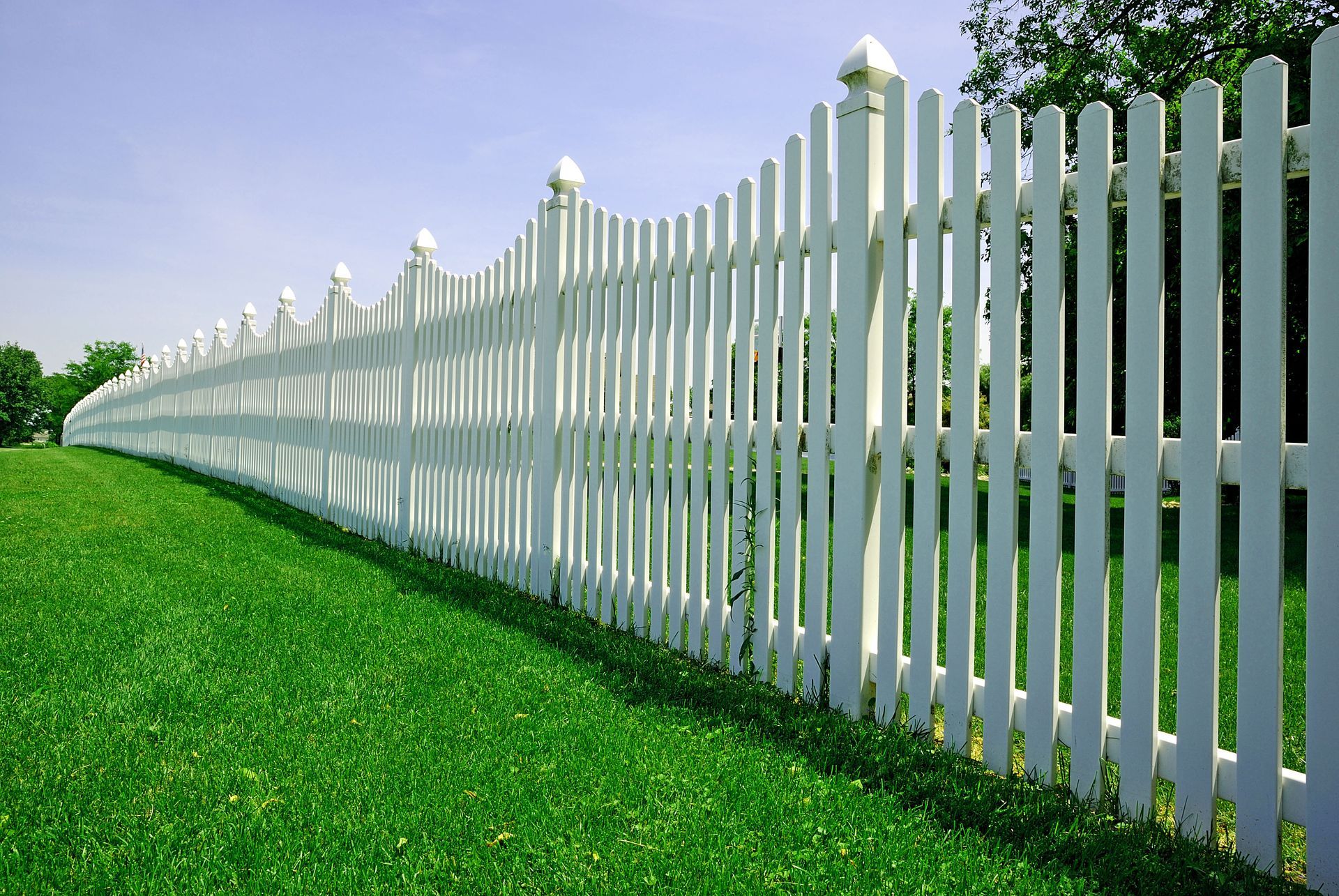
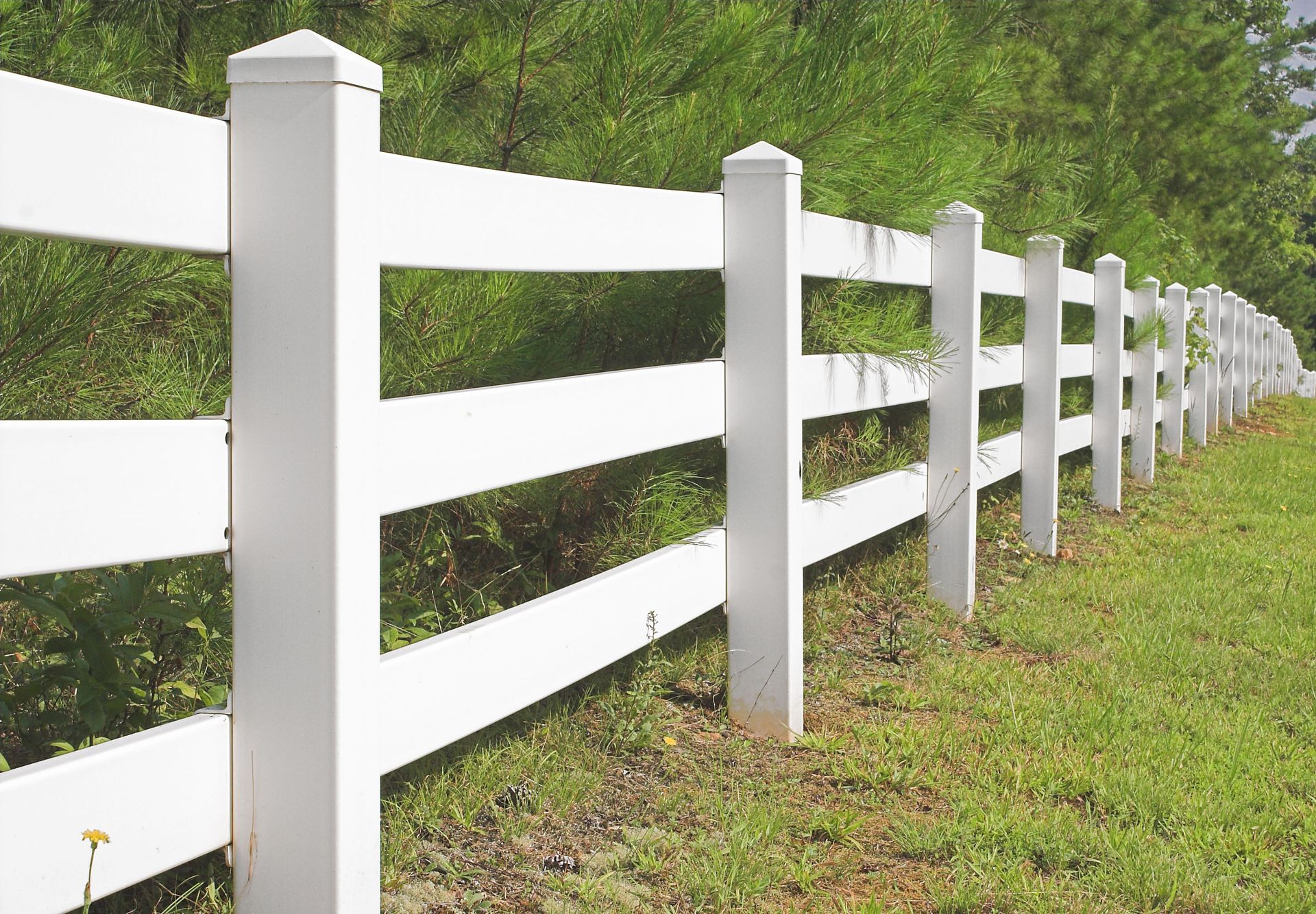
Wood fencing offers a traditional appearance for many residential properties. Depending on its style, it can establish privacy, define outdoor spaces, or complement natural landscaping. Young's Fencing also offers split-rail and picket fencing, providing additional choices for different boundary styles.
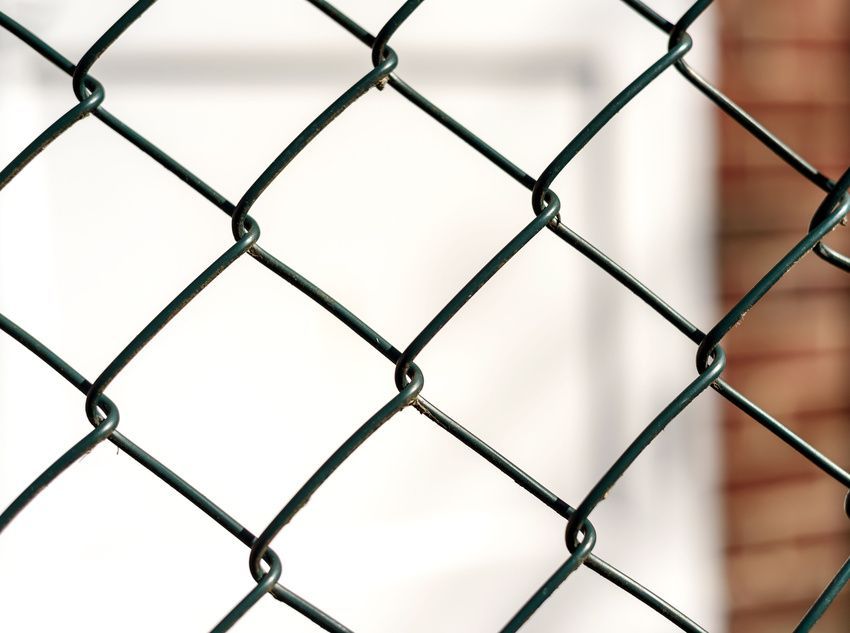
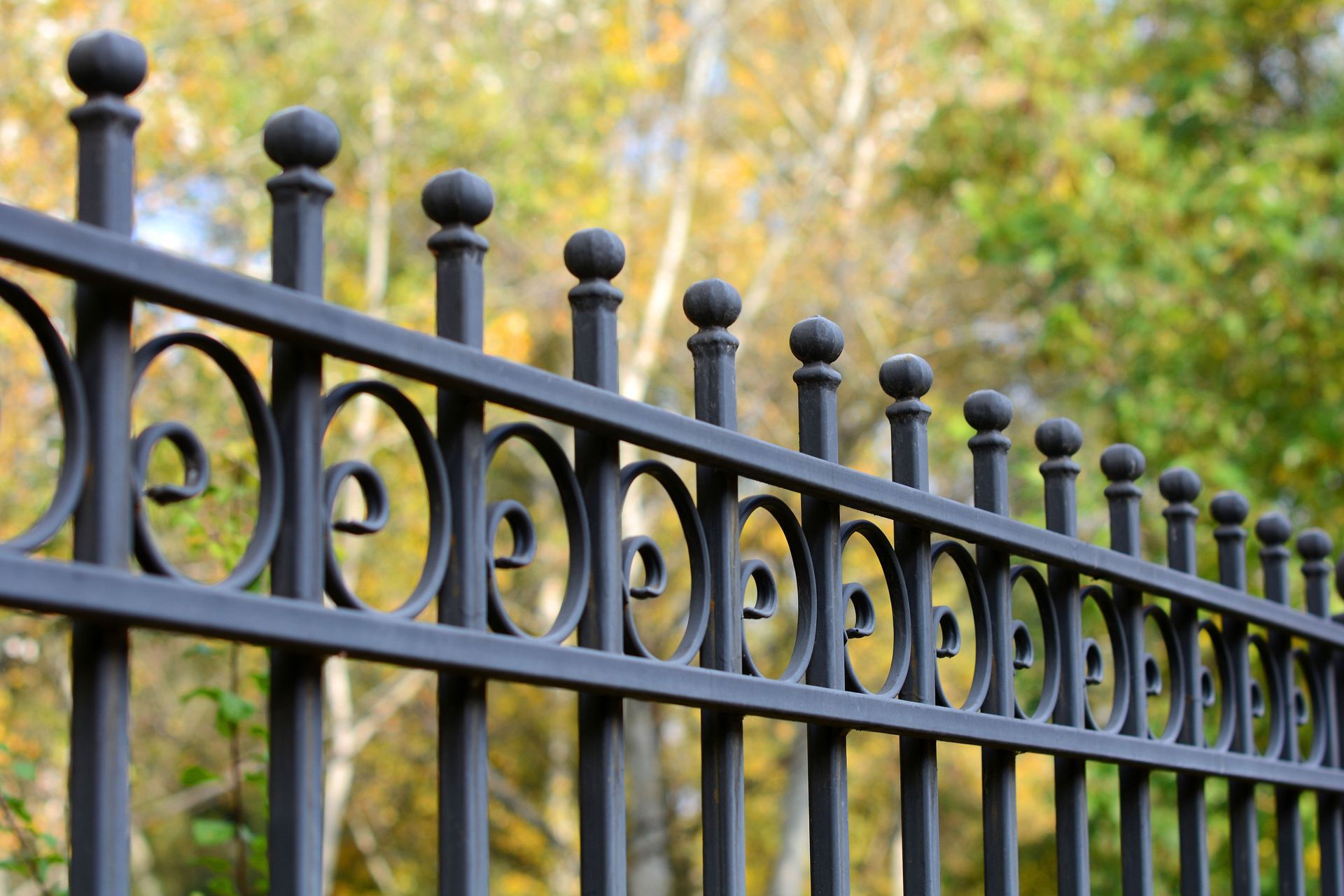
Vinyl fencing is an option for people who prioritize a consistent appearance and reduced maintenance. Aluminum fencing offers a different visual style, while chain-link fencing defines boundaries without creating a solid visual barrier. Deer fencing serves another purpose by helping property owners define and protect designated outdoor areas.
According to Bob Vila, chain-link fences generally have an expected lifespan of approximately 20 years. Actual longevity depends on material quality, installation, environmental exposure, and maintenance. This estimate provides a starting point for comparing materials, although an individual fence's service life varies with its condition and surroundings.
A qualified fence company can explain the differences between materials and help property owners evaluate options that fit their goals. Considering appearance, upkeep, and intended use together creates a clearer basis for choosing a fence.
Planning for Privacy, Boundaries, and Security
Different properties require different fencing arrangements. Homeowners often consider privacy when choosing a fence for a backyard, patio, or outdoor gathering area. Commercial properties may need to define property lines and establish controlled access around designated spaces.
Privacy fencing creates a more enclosed setting than open styles such as split-rail or chain-link designs. Picket fencing offers a decorative appearance, while aluminum fencing provides another option for marking boundaries. The most appropriate choice depends on how the space functions and the appearance the owner wants to maintain.
Pool fencing is another specialized category. Property owners planning a pool area should consider applicable local requirements and the surrounding space when evaluating options. Gates and entry points also deserve attention because they influence how people move between areas of a property.
For larger properties, deer fencing can establish boundaries around selected outdoor areas. Garden fencing helps distinguish planting spaces from lawns or other parts of the landscape. These options allow property owners to consider the purpose of each section rather than treating every boundary the same way.
A fence company familiar with different styles can help identify options that align with a property's intended use. Discussing access points, privacy preferences, and the grounds' layout helps establish a direction before installation.
Coordinating Fence Installation and Property Layout
Fence installation involves planning the placement and configuration of the structure. Property dimensions, existing landscaping, access points, and nearby buildings influence the layout. Reviewing these details beforehand helps establish the project's scope and determine how the fence will fit into the property.
Young's Fencing provides professional fence installation for residential and commercial properties throughout Fairfield County and Westchester County. Its team offers several fencing styles, and its showroom in Ridgefield, Connecticut, gives customers an opportunity to explore fencing options.
A fence company consultation allows property owners to discuss requirements, preferred materials, and project budgets. Young's Fencing offers free estimates, helping customers review proposed work before deciding.
Installation planning also involves gates, transitions between fence sections, and the relationship between fencing and nearby features. Addressing these details supports the finished installation's appearance and everyday usability.
Working with an established fence company provides access to a team familiar with fencing products and installation requirements. Young's Fencing reports that its professional installation team has a combined 60 years of experience. Discussing layout and material choices helps property owners understand how the selected fence fits their needs.
Maintaining Fences Through Changing Seasons
Outdoor fencing remains exposed to changing weather throughout the year. In Connecticut and New York, rain, snow, temperature changes, and wind affect outdoor structures differently depending on their materials, placement, and condition.
Wood fencing has different upkeep requirements from vinyl, aluminum, or chain-link fencing. Property owners should consider a fence's material and exposure to the elements when planning maintenance. Periodic professional attention can help identify visible damage, loose components, or concerns that need repair or further evaluation.
Young's Fencing offers fence repair and fence pressure-washing services in addition to installation. These services give property owners options for addressing existing fencing concerns or maintaining the appearance of outdoor spaces. The appropriate service depends on the fence's condition, material, and maintenance needs.
Seasonal property care also involves considering how fencing interacts with trees, shrubs, and garden areas. Coordinating fencing with landscaping and estate maintenance helps owners consider these features as part of a broader property plan.
When a fence shows signs of damage or deterioration, a professional assessment can help clarify the work involved. Repairing an existing structure and installing a new fence are different projects, so the decision should reflect the fence's condition, necessary work, and the property owner's goals.
Integrating Fencing With Landscaping and Outdoor Features
Fencing is one part of a property's exterior design. Its color, material, height, and style influence how it relates to lawns, garden beds, trees, shrubs, and outdoor living areas. Considering these elements together helps create a consistent appearance across the grounds.
A wood fence can complement natural materials and established plantings, while aluminum or vinyl fencing provides different visual options. Gates and arbors can frame entryways or garden transitions.
Young's Fencing also offers landscaping services, commercial landscaping, property maintenance, estate maintenance, and vegetable garden services. These offerings give property owners options for addressing fencing and other outdoor improvements through a business that works in both areas.
For larger properties, coordinating fencing with landscape planning is useful. The placement of boundaries, garden spaces, and access points affects how different areas connect. A fence that follows the property's intended layout can distinguish functional areas while maintaining a consistent appearance.
Selecting fencing requires balancing appearance, function, maintenance, and budget. Wood, vinyl, aluminum, chain-link, deer, pool, picket, and split-rail options serve different purposes, so the decision should reflect the property's requirements. Comparing these distinctions gives property owners a clearer basis for evaluating designs and planning installation.
Young's Fencing serves Fairfield County, Connecticut, and Westchester County, New York, providing fencing installation, repairs, and related exterior services since 1948. Its Ridgefield showroom allows customers to explore available fencing options.
Whether you want to create a private backyard, define a commercial boundary, or enclose a pool area, the team can help you compare materials and designs. Contact Young's Fencing today to request a free estimate and discuss fencing solutions for your property.


Share On: