
How to Protect Your Yard From Deer With Fencing Companies
Homeowners across Fairfield County, CT, and Westchester County, NY, know that living near wooded areas and nature preserves comes with incredible scenic beauty and a persistent wildlife challenge. White-tailed deer are agile, hungry, and remarkably persistent when it comes to browsing on prized hydrangeas and backyard vegetable gardens. While motion-activated sprinklers and deer-resistant perennials offer temporary relief, a properly designed physical barrier remains the only reliable, long-term defense against property damage. Partnering with experienced fencing companies allows you to protect your landscape without sacrificing your home's curb appeal or obstructing your outdoor views.
Designing a deer-proof perimeter requires more than simply putting up a standard residential border. Because white-tailed deer are exceptional jumpers and clever opportunists, effective wildlife exclusion relies on specific heights, durable materials, and strategic installation techniques. Understanding how professionals approach deer deterrence helps you select a solution that blends seamlessly into your property while keeping your plants safe year-round.
Evaluating Your Property and Deer Pressure
Before selecting materials or deciding on fence placement, you need to assess how deer interact with your specific landscape. Every yard has different vulnerability levels depending on its proximity to wooded corridors, water sources, and neighboring properties. Deer are creatures of habit that follow established trails at dawn and dusk in search of reliable food and shelter. Observing where tracks, droppings, or browsed branches appear helps pinpoint the exact entry points that need reinforcement.
Property topography also plays a major role in how a barrier performs. A flat lawn presents very different engineering requirements than a rolling estate with steep slopes, stone walls, or dense tree lines. If a fence runs downhill, a deer standing on higher ground can easily clear a barrier that would otherwise be tall enough on level terrain. Experienced fencing companies evaluate grade changes, soil composition, and property boundaries before recommending a layout, ensuring there are no weak spots or low dips that wildlife can exploit.
Zoning regulations and homeowners association guidelines must also be factored into the planning phase. Many towns in Connecticut and New York enforce strict height limits on front-yard and perimeter structures, often capping solid residential fences at six feet. Navigating these local rules requires creative design strategies, such as placing taller enclosures strictly around vulnerable vegetable gardens or combining permitted perimeter heights with angled extensions and strategic landscaping.
Selecting the Right Height and Barrier Design
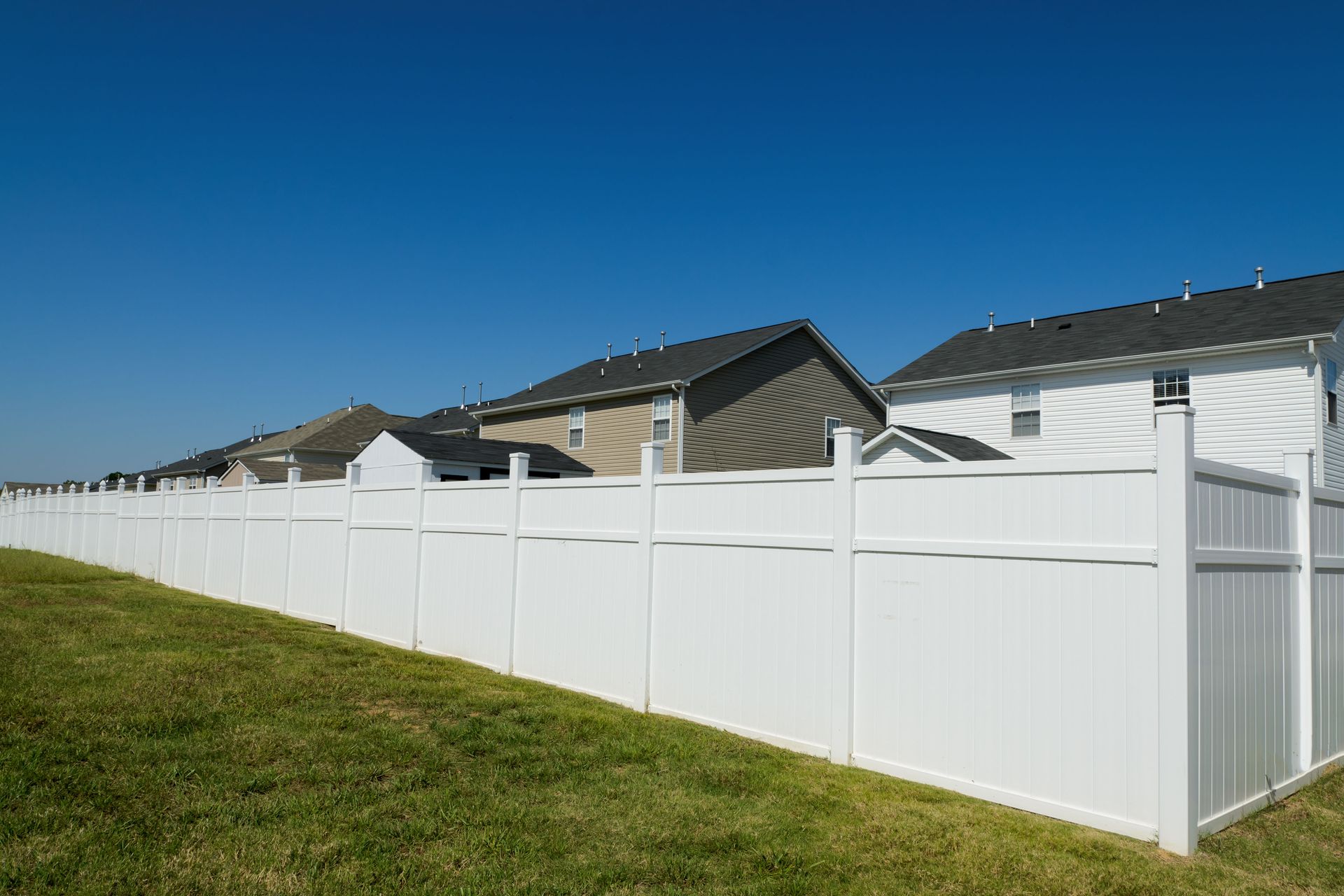
Height is the single most critical factor in keeping white-tailed deer out of your yard. While a four-foot picket fence defines a property line and keeps pets contained, an adult white-tailed deer can clear four feet from a standing start without breaking stride. Under high food pressure, especially during harsh New England winters or dry summer months, deer have been known to clear barriers up to seven or eight feet tall. For full-perimeter exclusion, professionals generally recommend a minimum height of seven and a half to eight feet.
When local ordinances prevent you from installing an eight-foot structure along your main property boundary, visual obstruction and depth become valuable alternatives. Deer have poor depth perception and are hesitant to jump into spaces where they cannot clearly see a safe landing zone. Double-fencing, installing two parallel four- or five-foot fences spaced roughly four to five feet apart, exploits this natural hesitation, as deer are reluctant to attempt a broad jump across both barriers at once. Similarly, adding an outward-sloping top extension at a 45-degree angle deters animals from approaching close enough to launch themselves upward.
Eliminating gaps beneath the fence with fencing companies is just as important as getting the height right. When startled or motivated by food, deer frequently drop to their knees and crawl underneath loose mesh or raised bottom rails rather than jumping over the top. A professional installation anchors the bottom edge securely to the ground or buries a portion of the wire apron below grade to prevent animals from pushing their way under the perimeter.
Comparing Durable Materials for Wildlife Exclusion
Choosing the right material from fencing companies determines how well your barrier withstands seasonal weather, falling branches, and wildlife pressure while maintaining your property's aesthetic character. Different sections of your yard may call for different styles depending on visibility needs and architectural harmony.
High-tensile black polypropylene mesh and welded wire deer fencing are among the most popular choices for large, wooded properties. Because black mesh absorbs light rather than reflecting it, the barrier virtually disappears against a backdrop of trees and foliage from a short distance away. This allows homeowners to enclose expansive backyards or wooded perimeters without feeling boxed in or ruining scenic vistas. When paired with heavy-duty metal posts, these systems flex slightly upon impact rather than snapping, making them resilient against heavy snow loads and accidental contact.
For properties requiring heavier structural security, galvanized or vinyl-coated chain-link fencing offers unmatched strength. According to Bob Vila, an online home improvement resource, chain-link fences typically last 20 years, making them a dependable long-term investment for homeowners seeking low-maintenance protection. Black vinyl-coated chain link softens the industrial appearance of traditional galvanized steel, blending naturally into shaded landscapes while providing a rigid, chew-proof barrier.
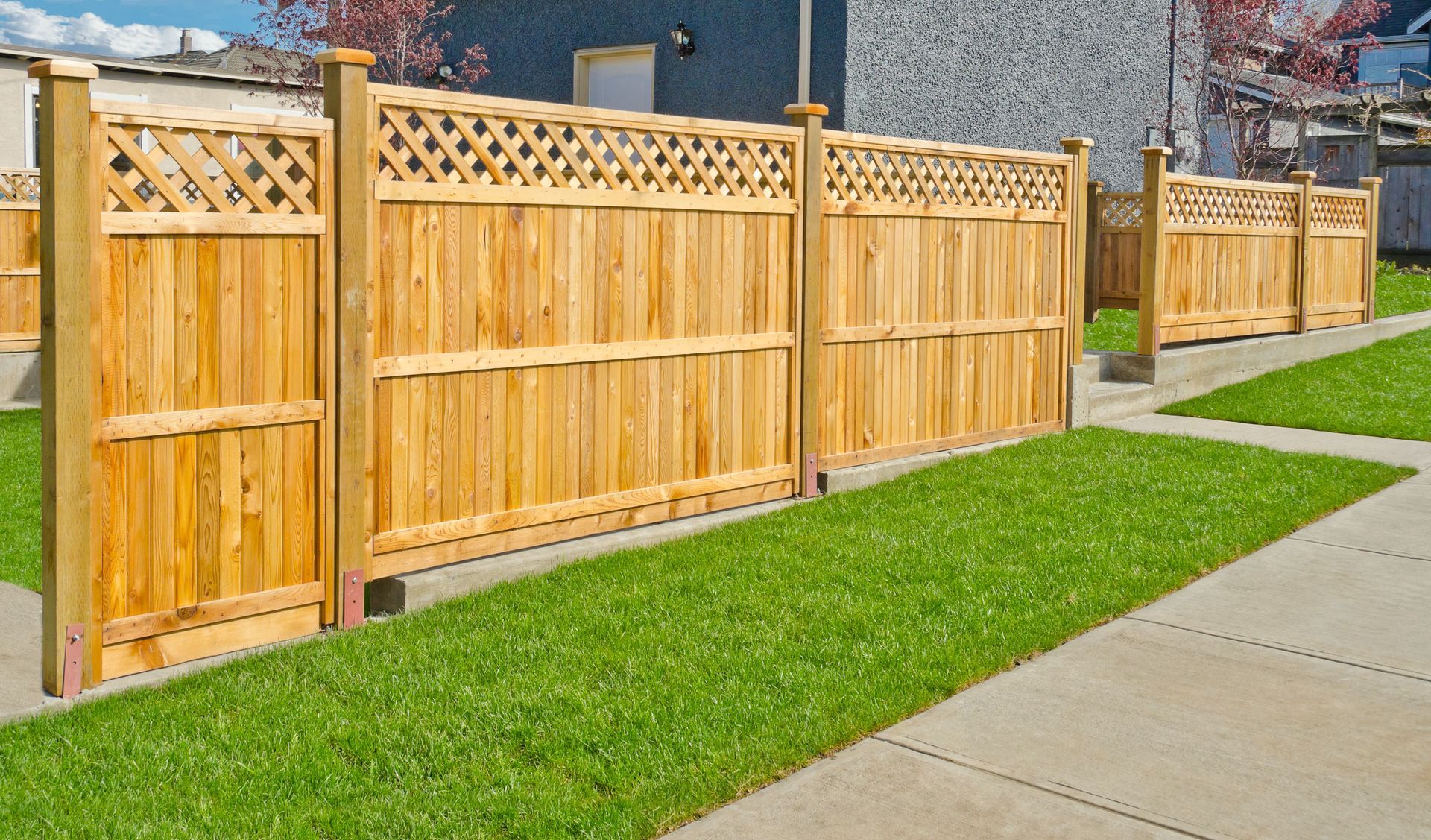
When aesthetics are the top priority near patios, pools, or front yards, custom wood and ornamental aluminum fencing provide classic New England charm alongside practical protection. Solid cedar privacy fences block a deer's line of sight completely; because deer rarely jump into an enclosed area they cannot see into, a six-foot solid wood fence often succeeds where an open six-foot rail fence would fail. Alternatively, decorative wood-framed wire garden enclosures combine cedar posts and top rails with heavy-gauge black welded wire, creating an attractive, structured look tailored specifically for kitchen gardens and perennial beds.
Securing Gates, Corners, and Vulnerable Entry Points
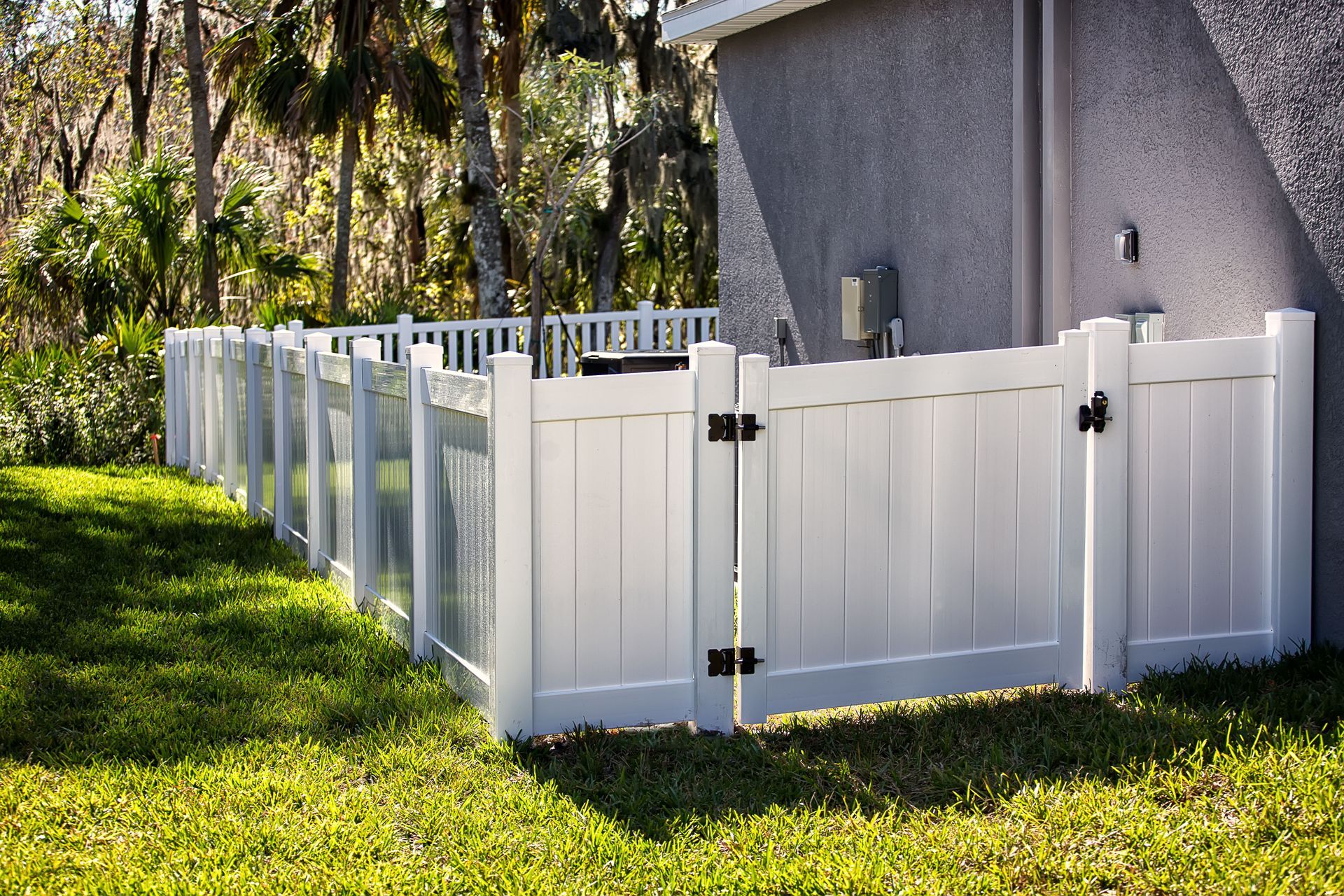
Even the tallest, strongest perimeter will fail if gates and transition points are left vulnerable. Deer actively patrol fence lines looking for openings, and an unlatched gate or poorly fitted corner post serves as an open invitation into your garden. Every access point, whether a wide driveway entrance or a narrow pedestrian garden gate, must match the height and structural integrity of the surrounding fence line.
Self-closing hinges and reliable gravity or magnetic latches ensure that gates never remain accidentally ajar after family members, landscapers, or delivery drivers pass through. On uneven ground, installing sweep thresholds or contoured bottom rails closes the triangular gaps that often form when a gate swings open over a sloped walkway.
Partnering With Experienced Local Professionals
Attempting to install a tall wildlife barrier as a weekend do-it-yourself project often leads to sagging wire, leaning posts, and costly repairs after the first heavy winter storm. Stretching high-tensile wire or setting eight-foot posts in rocky New England soil demands specialized tensioning equipment, commercial augers, and deep structural expertise. Working with established fencing companies ensures that every post is plumb, every tension wire is properly anchored, and the entire layout adheres to local municipal codes.
Protecting your landscape from deer does not mean turning your yard into a fortress. By combining thoughtful layout planning, proper barrier height, and durable materials, you can preserve both your prized plantings and your open outdoor views. Consulting reputable fencing companies gives you access to tailored craftsmanship and proven wildlife solutions that keep your property looking its best for decades to come. Call Young's Fencing today.



Share On: