
Why Fence Gate Placement Matters More Than Homeowners Realize
Fence gate placement may seem like a minor detail in property design, but it plays an important role in accessibility, security, privacy, and curb appeal. A gate should do more than provide an entrance or exit. Its location influences how easily homeowners move around their property, how visitors access outdoor spaces, and how effectively a fence protects the area. Considering these factors before installation helps create a practical layout that complements the property. Working with a professional fencing contractor can also help ensure gate locations accommodate everyday needs.
Improving Accessibility and Convenience
Creating Convenient Access Points
Gate placement should reflect how homeowners use their outdoor spaces. Positioning a gate near a frequently used entrance makes it easier to move between the house, backyard, and driveway. This is especially useful for households that regularly carry groceries, gardening supplies, or outdoor equipment through their yards.
Homeowners should also consider where visitors and service providers need access. A gate near a driveway or walkway can help delivery personnel, landscapers, and maintenance crews reach designated areas without navigating around the entire property. A fencing contractor can evaluate the layout and recommend convenient locations.
Supporting Pedestrian and Vehicle Movement
Different gates serve different purposes. A smaller pedestrian gate may work for everyday backyard access, while a wider opening may be necessary for vehicles, lawn equipment, or landscaping machinery. Planning entrances around existing pathways and driveways can prevent unnecessary obstacles.
Homeowners should also consider clearance requirements. Gates need enough room to swing or slide without interfering with vehicles, landscaping, or nearby structures. On smaller properties, proper clearance can make a noticeable difference in usability.
Accommodating Mobility Needs
Gate placement can affect accessibility for individuals using wheelchairs, walkers, or strollers. Narrow openings, uneven ground, and inconvenient swing directions can make entering and leaving fenced areas difficult. Wider openings and level pathways can improve access for residents and guests.
Seasonal conditions also deserve attention. Gates positioned in areas prone to snow accumulation, standing water, or mud may become difficult to use. Choosing accessible locations helps maintain convenience throughout the year.
Strengthening Security and Privacy
Controlling Entry to the Property
Gates create designated entry points that help homeowners control access to outdoor spaces. Strategically positioned entrances allow residents to direct visitors toward specific areas and monitor activity more easily.
Gate placement should account for visibility, nearby structures, and landscaping. Entrances hidden behind dense vegetation may be harder to monitor. A fencing contractor can help identify locations that balance convenient access with security.
Improving Visibility Around Entrances
Lighting and visibility are important when planning gate locations. Entrances near well-lit pathways or areas visible from the home make it easier to recognize visitors and notice unusual activity. Homeowners may also consider motion-activated lights, cameras, or other security features.
Hardware selection matters, too. Sturdy hinges, reliable latches, and appropriate locking mechanisms support the overall security of the fence. These features should reflect how frequently the gate will be used.
Protecting Children, Pets, and Private Spaces
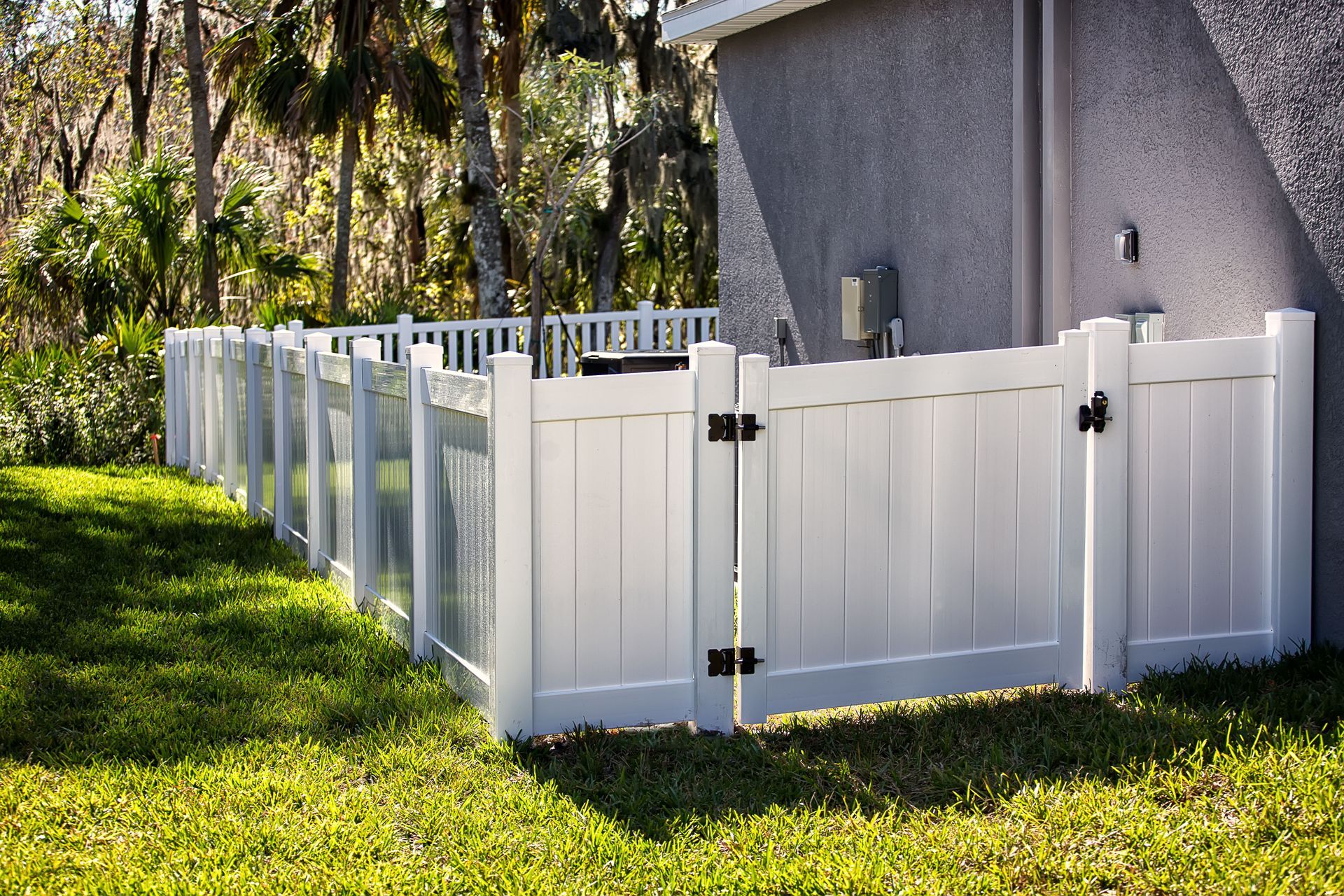
Households with children or pets should carefully consider gate locations. Entrances near busy roads, swimming pools, or other potentially hazardous areas may require additional safety features. Self-closing hinges and secure latches can help prevent gates from being left open accidentally.
Gate placement can also contribute to privacy. Positioning entrances away from patios, outdoor seating areas, and bedroom windows helps separate private spaces from public views.
Enhancing the Property's Overall Appearance
Complementing the Home's Architecture
A fence gate is often one of the first features visitors notice when approaching a property. Its location, size, and appearance should complement the home's architectural style and surrounding fence. A gate that aligns with existing walkways or landscaping creates a more cohesive exterior.
For example, a traditional home may benefit from a gate with a classic appearance, while a contemporary property may look better with clean lines and understated hardware. A professional fencing contractor can help coordinate gate placement with the overall layout.
Working With Existing Landscaping
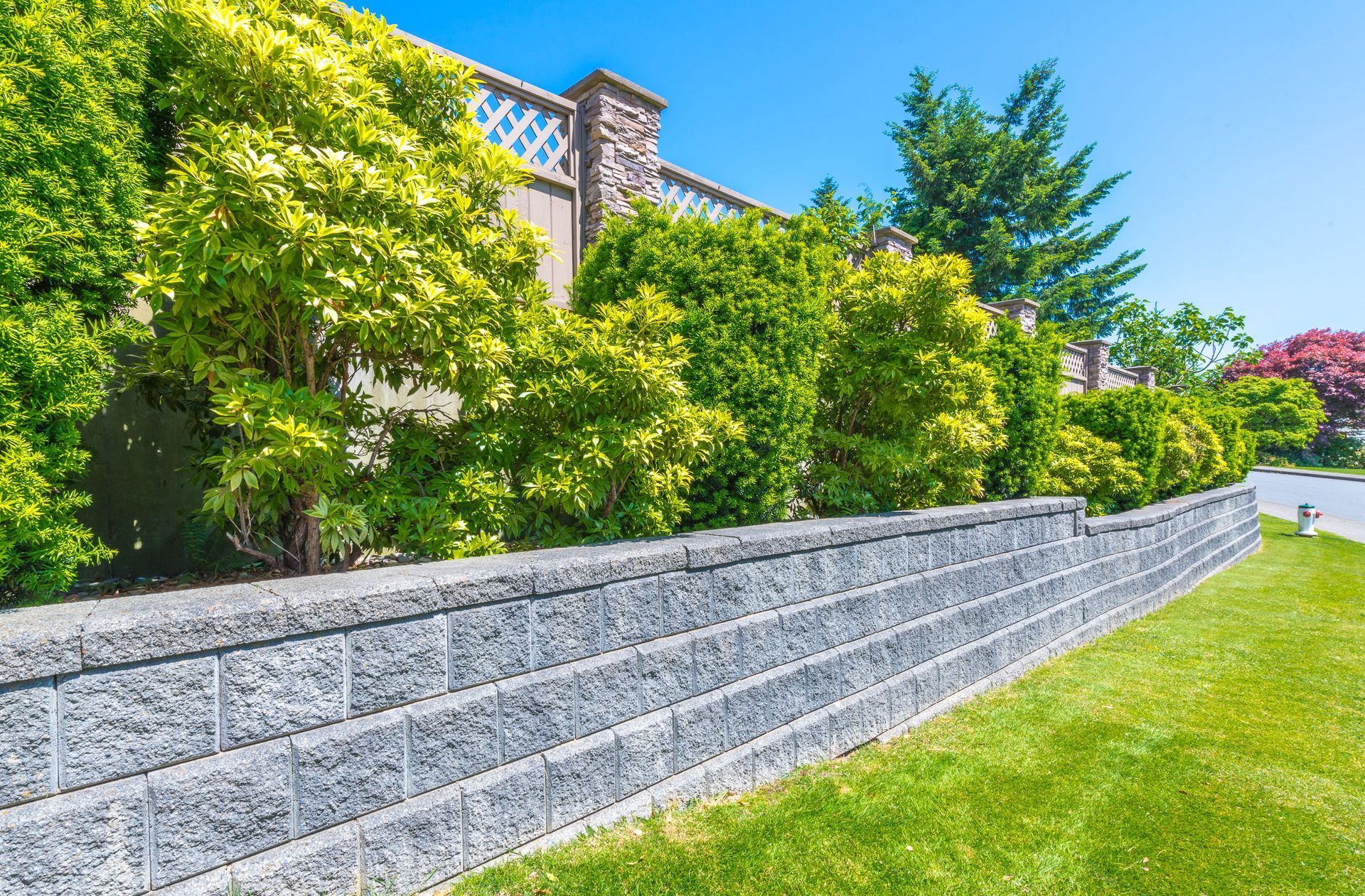
Landscaping should influence where gates are installed. Large trees, garden beds, retaining walls, and decorative features can restrict movement or interfere with gate operation. Placing an entrance too close to these elements may create maintenance challenges or prevent the gate from opening fully.
Instead, homeowners can use landscaping to guide movement and create inviting transitions between outdoor areas. A well-positioned gate can frame a garden entrance, provide patio access, or connect separate sections of a yard.
Creating a Welcoming First Impression
Gate placement contributes to the impression a property makes on visitors and potential buyers. An entrance that is easy to locate and approach creates a more welcoming experience than one that feels disconnected from the property's layout.
Homeowners can further improve their entrances by coordinating gate colors, materials, and decorative details with the surrounding fence. Consistency helps the installation look intentional.
Considering Installation Time and Project Planning
Understanding the Installation Timeline
Planning gate placement early can help prevent adjustments during construction. According to HomeGuide, installing a fence takes 2 to 4 days on average, depending on the fence type, length, material, and whether it's a new installation or replacement. Projects involving multiple gates, challenging terrain, or existing structures may require additional coordination.
Homeowners should discuss entrance locations before installation begins. This allows the crew to account for measurements, opening widths, post positions, and surrounding obstacles. A fencing contractor can identify potential layout concerns before they affect the project.
Accounting for Ground Conditions and Clearance
Ground conditions can influence where gates should be installed and how they operate. Sloped terrain, uneven surfaces, and drainage patterns may affect gate clearance. For example, a swinging gate positioned on a steep incline might scrape against the ground. A sliding gate or adjusted layout may provide a more practical solution.
Homeowners should also consider underground utilities, existing hardscaping, and nearby structures. Evaluating these conditions before construction can reduce unexpected complications.
Planning for Long-Term Functionality
Choosing Appropriate Gate Hardware
Gate hardware should match the gate's size, weight, and expected frequency of use. Heavy gates require suitable hinges and support posts to maintain alignment. Latches and locking mechanisms should be convenient for household members while providing the desired security.
Material selection is equally important. Wood, vinyl, and metal gates have different maintenance requirements and weather-resistance characteristics. Choosing materials that complement the existing fence helps maintain a consistent appearance.
Allowing Room for Future Changes
Homeowners should consider future needs when determining gate locations. Landscaping projects, outdoor living additions, driveway improvements, or changes in how the property is used may affect accessibility. Planning flexible access points can help prevent costly modifications later. Consulting a fencing contractor during this planning stage can help account for potential changes before construction begins.
Routine maintenance deserves attention as well. Gates need enough surrounding space for opening, closing, and occasional repairs. Keeping entrances clear of overgrown plants and other obstructions helps preserve their functionality.
Choosing the Right Gate Placement for Your Property
Effective gate placement requires more than selecting a convenient opening in a fence. Homeowners must consider accessibility, security, privacy, landscaping, installation requirements, and long-term maintenance. Addressing these factors together creates an outdoor space that is easier to navigate and better suited to everyday activities.
Whether you are planning a new fence or updating an existing property boundary, professional guidance can help you make informed decisions about gate locations and installation details. Contact Young's Fencing to discuss your property, explore suitable fencing solutions, and plan an installation that supports your household's needs.


Share On: