
The Best Fencing Installations for Pet Owners: Safety and Style Combined
Designing a fence for your yard is about more than aesthetics—it’s a critical factor in keeping your pets safe and secure. Different animals have unique behaviors and physical capabilities that influence the type of fencing installations you need. Dogs may dig, jump, or squeeze through small gaps, while cats are skilled climbers capable of scaling ordinary barriers. Even less common pets, such as rabbits or pot-bellied pigs, require tailored containment strategies. By understanding your pet’s habits, size, and energy levels, you can create a fence that not only complements your outdoor space but also effectively prevents escapes, protects your animals from hazards, and ensures peace of mind for you as a pet owner.
Pet Behaviors and Needs
When designing a fence, the type of pet you own significantly influences your choice. Dogs, for instance, vary vastly in size and energy levels, and these factors determine the requirements of their living space. Cats, on the other hand, are agile climbers and need different considerations altogether. Some homeowners might also have less common pets like rabbits or pot-bellied pigs, each adding a unique dimension to the fencing installations. Recognizing these differences is crucial in crafting a fence that caters specifically to the type of pet you're housing.
Dogs are known for their curiosity and social behavior, often leading them to attempt escapes or dig under fences. Larger breeds might jump over inadequate barriers, while small breeds could squeeze through deceptively small gaps. Cats exhibit climbing and jumping behaviors, making them experts at escaping over traditional fencing installations. Therefore, understanding these common behavioral traits ensures your fence design can adequately meet these challenges. By addressing these natural habits, homeowners can prevent unwanted escapades and ensure the pets' safety.
Safety hazards in fences can range from gaps and sharp edges to toxic materials used in paints and treatments. Pet owners must be vigilant in avoiding barbed wire or spiked tops that might harm a jumping or curious pet. There are also risks associated with certain treated woods that could be toxic if chewed upon. Pet-safe landscaping solutions can also add an extra layer of security by minimizing toxic plant contacts within the fence line. Overall, putting safety first in fencing installations is crucial to creating a worry-free environment for pets.
The fence height and material strength should be customized based on the size and strength of the pet. A towering fence might be unnecessary for a small, non-jumping dog, while a large, energetic breed will require a sturdier, taller barrier. For cats, the design can incorporate anti-climb solutions to prevent overtures or lateral escapes. Similarly, a pet rabbit might need a low fence without any gaps at the ground for burrowing. By evaluating the specific size and capabilities of the pet, owners can tailor fences to effectively contain their animals.
Materials Best Suited for Pet-Friendly Fences
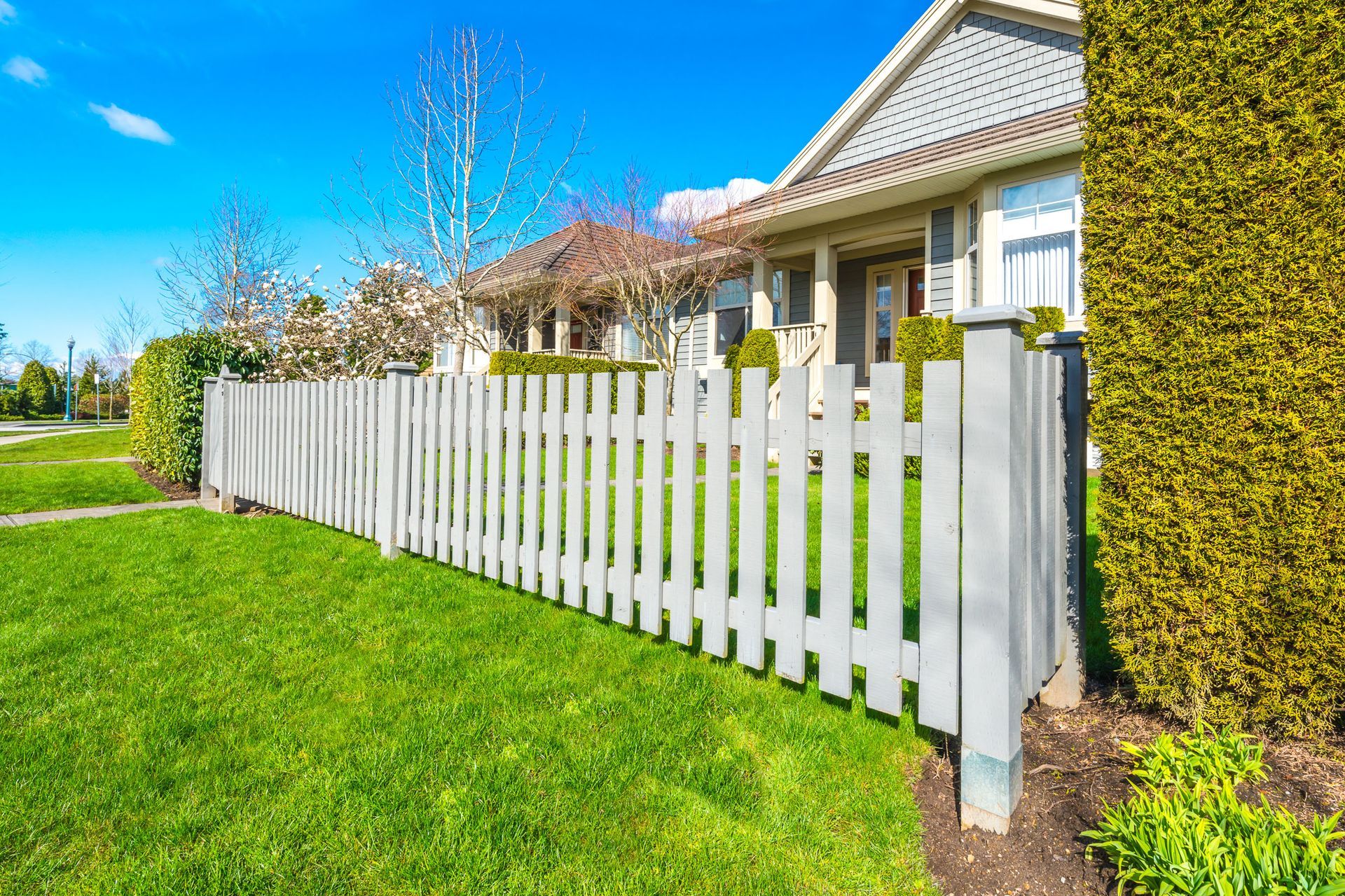
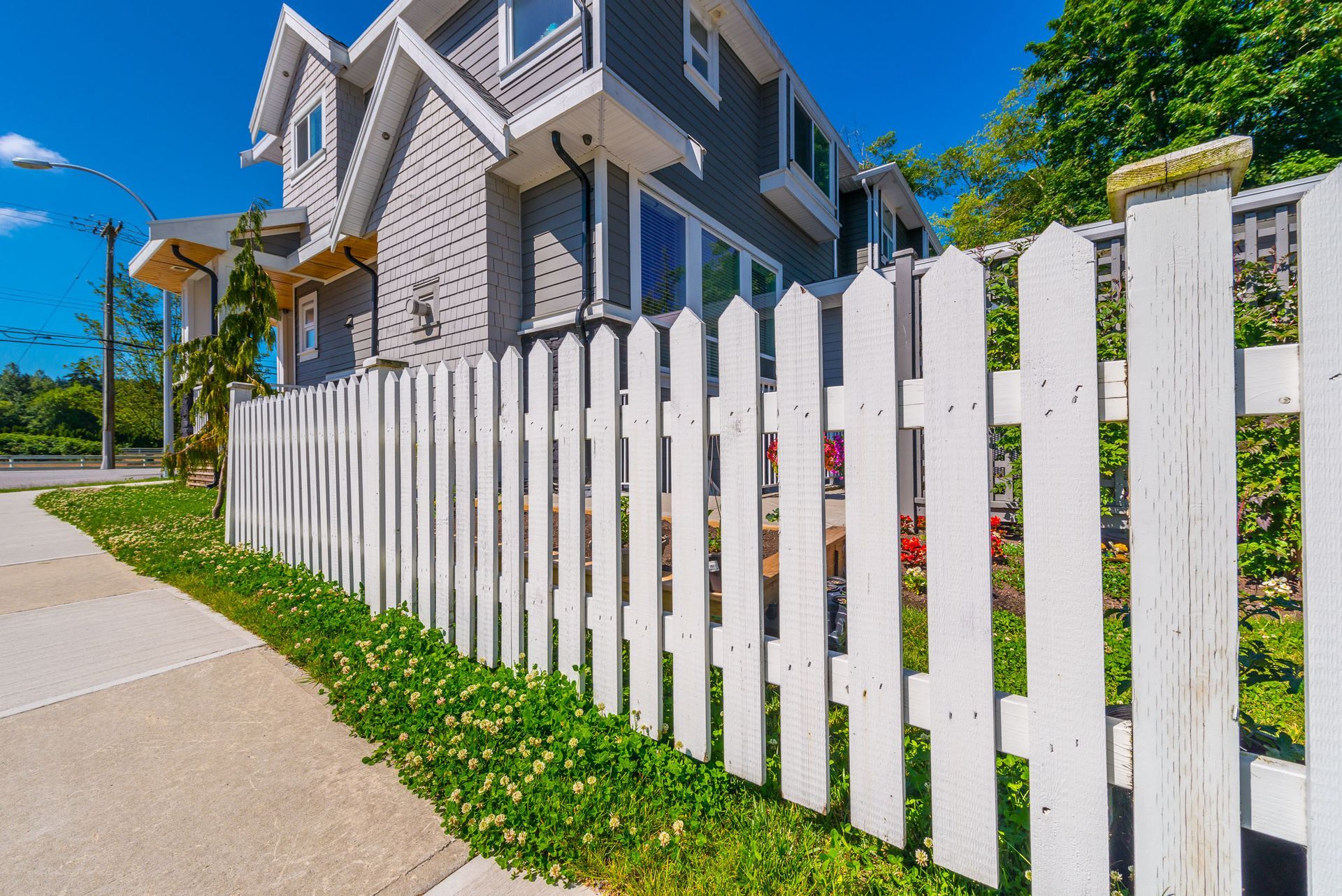
Wooden fences remain a popular choice due to their aesthetic appeal and versatility. Cedar and redwood are excellent choices for their natural resistance to decay and insects, offering durability for pet containment. Treated woods should be selected carefully, ensuring they don't contain any harmful chemicals that could be ingested by pets. Although wooden fences require more maintenance than some other materials, they offer the opportunity for customization to match the home's style. Proper maintenance extends their lifespan, making them a viable option for pet owners.
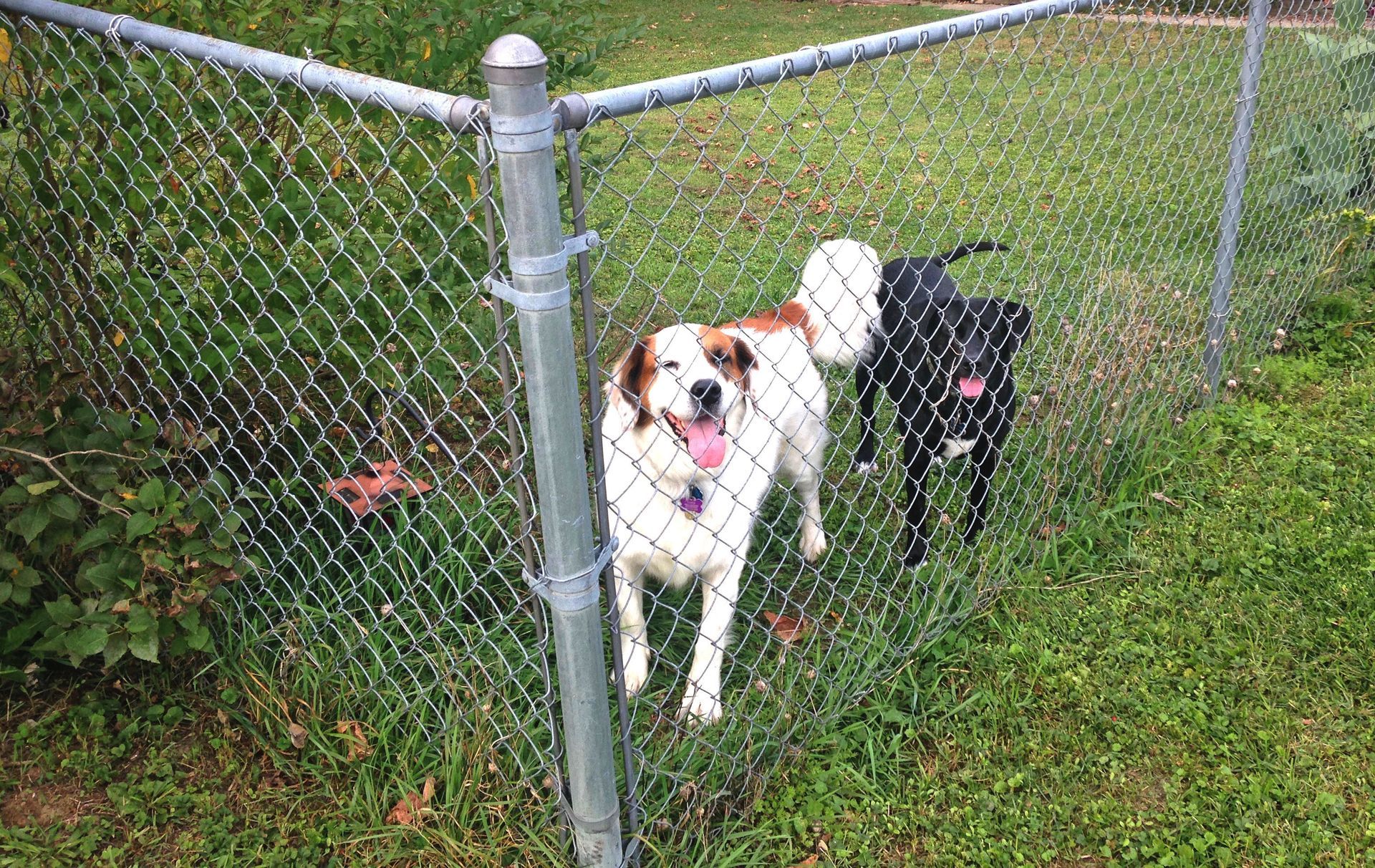
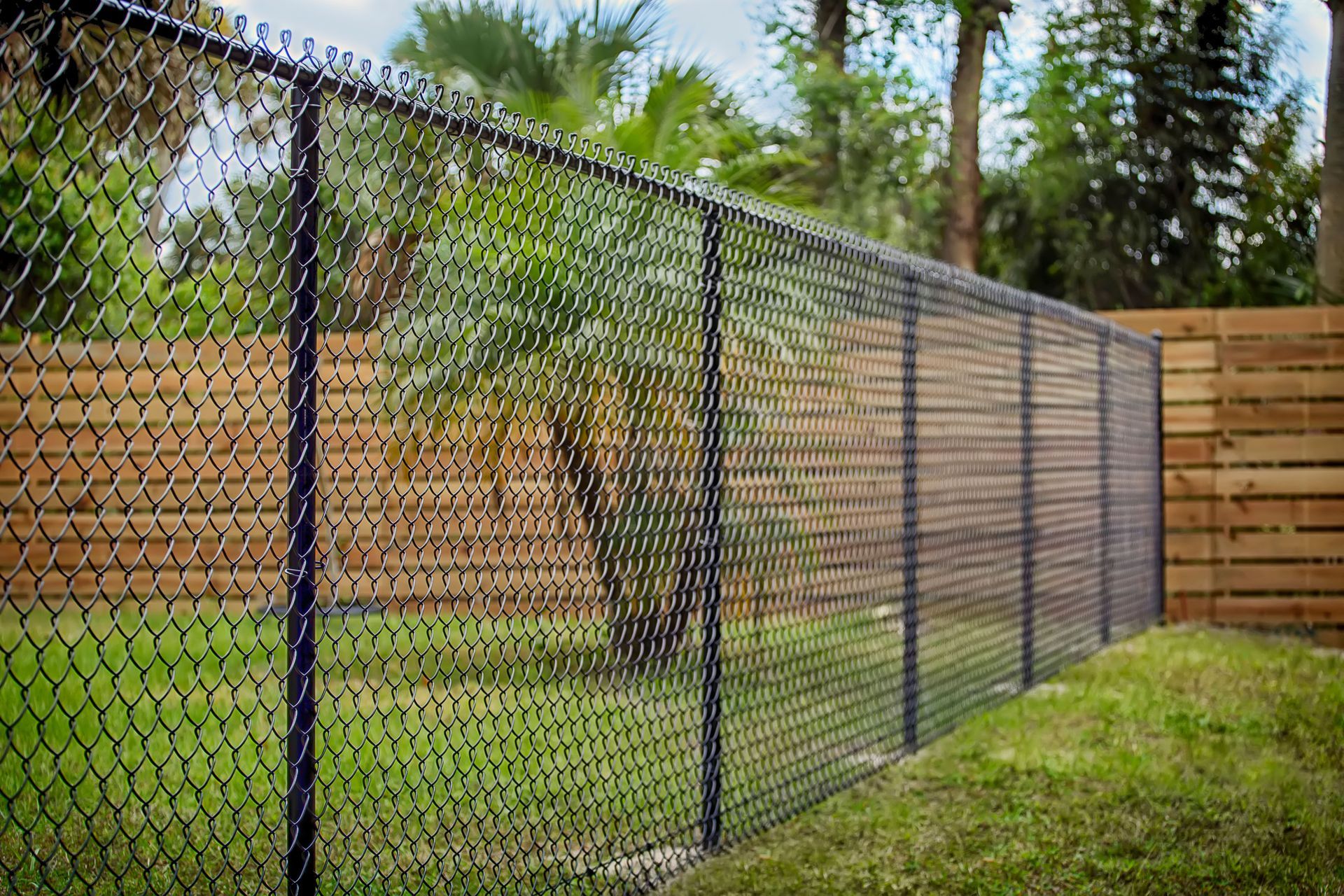
Metal fencing, such as wrought iron or chain-link, provides a robust security option for pet owners. The strength of metal makes it particularly useful for large dogs or situations where durability is a primary concern. Chain-link fences can also be fitted with privacy slats, adding aesthetic appeal while strengthening security. These fences can be prone to rust, requiring appropriate protective coatings to enhance longevity. Overall, metal fences serve both security and style, provided they are carefully maintained to prevent deterioration.
Vinyl fencing offers an attractive, low-maintenance alternative for pet owners looking for simplicity and effectiveness. Unlike wood, vinyl is resistant to rot and doesn't require periodic staining or painting, saving time in maintenance. Vinyl also provides a smooth surface, reducing the risk of injury to pets that rub or claw against it. The material is available in various styles and colors, allowing customization to fit the overall landscape design. This option appeals to those seeking convenience and visual harmony in their pet-friendly fences. Did you know? According to Houston Agent, about 25% of houses have fenced backyards.
Composite fences combine recycled wood and plastic, providing durability and environmental benefits. These fences mimic the look of wood but with superior resistance to weather, pests, and warping. While the upfront cost may be higher, the lack of ongoing maintenance can make composites a cost-effective solution over time. Composite materials are also customizable in terms of color and texture, fitting seamlessly with the surrounding landscaping. For those interested in sustainability and aesthetics without the burden of extensive upkeep, composite options are ideal.
Styles and Designs with Pet Safety in Mind
Vertical designs are often more effective for pet containment, particularly for climbers and jumpers. Vertical slats or bars offer minimal footholds, reducing the chance of a pet scaling the barrier. However, horizontal designs can have aesthetic advantages, offering a modern twist to traditional fencing installations. For smaller pets or those less prone to climbing, a horizontal design may provide a stylish yet functional option. As with any fencing choice, the safety and behavioral patterns of the pet should guide the decision-making process.
Decorative fencing installations serve a dual purpose by enhancing the visual appeal of a yard while ensuring pet safety. Customized designs can include latticework, finials, or post caps, adding ornamental flair to the fence structure. Privacy fences with decorative tops can prevent jumping while contributing to the overall design aesthetic of a property. Personalization options abound within decorative fencing, as materials, colors, and motifs can all be tailored to personal tastes. The key is ensuring the decorative elements are secure and do not present risks to the animals.
Adding mesh or screens to existing fences can enhance security for smaller pets by closing potential escape routes. Metal or polypropylene meshes are popular choices, as they are durable and resistant to chewing or clawing. Mesh panels can be easily attached to existing structures, offering a quick and relatively inexpensive solution to pet safety concerns. Screens serve as additional barriers for animals able to squeeze through traditional fence slats. This integration can seamlessly complement backyard aesthetics with screens and meshes designed to blend in rather than distract.
Incorporating modern elements into traditional fencing installations offers the best of both worlds: time-tested security and contemporary style. Modern twists might include sleek lines, the use of mixed materials, or the inclusion of tech features like motion detectors. Combining materials such as wood and metal can create a contrasting yet harmonious design statement. These design choices make fences both functional and visually appealing, adding to the property's aesthetic value. Modifying traditional designs to meet contemporary styles ensures fences remain both practical and stylish in pet-loving homes.
If you’re ready to upgrade your yard for your pets’ safety and comfort, consult Young's Fencing to explore materials, designs, and features tailored to your animals. With the right planning and execution, you can create a secure, stylish outdoor space that keeps your pets happy and your mind at ease.


Share On: