
How to Choose the Right Fence for Your Fence Installs
Choosing the right fence for your property is about more than aesthetics. Your decision impacts privacy, security, property value, and the overall functionality of your outdoor space. With a wide range of materials, styles, and installation options, selecting the right fence can be overwhelming. From classic wood to modern vinyl or metal designs, each choice comes with advantages, trade-offs, and long-term maintenance considerations. This guide provides a comprehensive overview to help homeowners make informed choices for their fence installs, ensuring the end result is both practical and visually appealing. By understanding your needs and the available options, you can confidently plan a fence that enhances your property for years to come.
Determining the Purpose of Your Fence
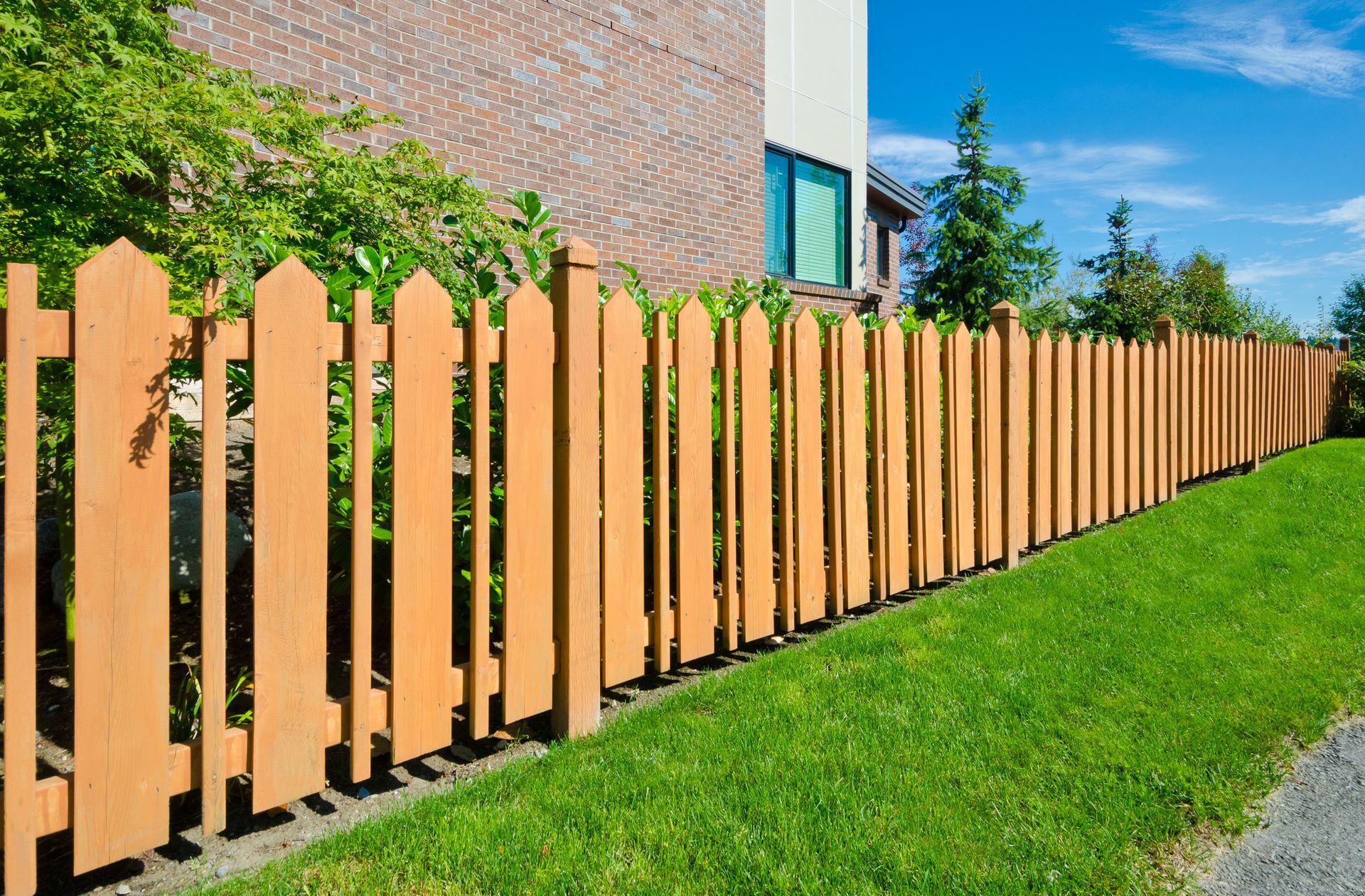
Before considering materials or styles, it’s crucial to define what your fence should accomplish. Privacy, security, and functionality are often the most important factors in planning a fence install. For privacy, taller fences or solid materials like wood and vinyl block sightlines and provide a secluded backyard space. Wood fences, which can last 10-15 years with proper care, according to Angie's List, remain a classic option for homeowners seeking a natural, warm look. Composite materials mimic the appearance of wood but require less maintenance, making them an increasingly popular choice.
Security is another key purpose. Metal fences, such as wrought iron or steel, offer durability and a visual deterrent against potential intruders. High fences with pointed tops or minimal footholds prevent climbing and enhance protection. Functionality also plays a major role: fences help contain children or pets safely, mark property boundaries clearly, and create a structured outdoor area for activities like gardening or entertaining.
Local regulations, building codes, and homeowners’ association rules can influence your fence install. Some neighborhoods have height restrictions, setback requirements, or limitations on material types. Obtaining necessary permits ahead of time ensures your installation is compliant and avoids fines or costly modifications. Defining your fence’s purpose early streamlines decisions about style, material, and installation, ensuring a solution tailored to your home and lifestyle.
Exploring Fence Materials
Material choice affects durability, maintenance, and aesthetic appeal, making it a critical part of any fence install. Wood remains a classic option, offering natural beauty and traditional charm. Properly maintained wood fences can last 10-15 years but require regular staining, sealing, or treatment to prevent rot, warping, and insect damage. Composite materials replicate wood’s appearance with fewer maintenance needs, combining longevity with customizable design options.
Vinyl fencing has grown in popularity due to its minimal upkeep and long-lasting durability. Unlike wood, vinyl does not warp, rot, or succumb to insect damage. Though the initial cost can be higher, vinyl often proves more cost-effective over the long term. Vinyl fences are available in numerous colors and styles, making them suitable for both traditional and modern homes.
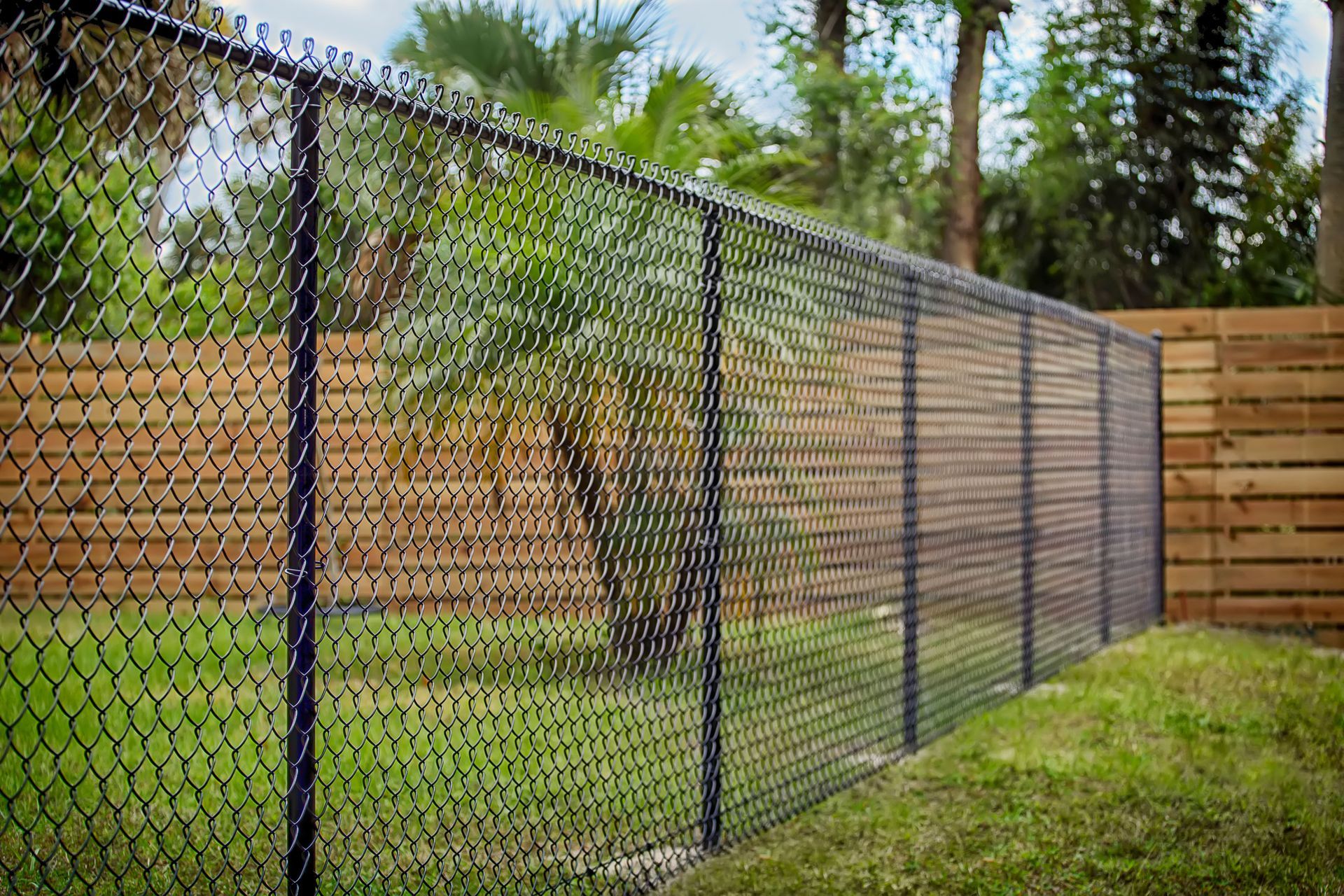
Metal fences, including aluminum and wrought iron, combine security with elegance. Aluminum is lightweight, rust-resistant, and ideal for wet or coastal areas, while wrought iron is heavier and provides a classic, ornamental appearance. Both materials can be treated with protective coatings to resist corrosion, extending their life. Chain-link fences, though less decorative, provide affordable security and allow visibility, making them practical for pet containment or boundary marking. Eco-friendly options, such as bamboo or recycled materials, offer sustainability while remaining durable. Selecting the right material ensures your fence install meets both functional and aesthetic goals while minimizing future maintenance headaches.
Planning Your Budget and Evaluating Costs
Budget is a significant factor in a fence install, as costs vary widely depending on material choice, labor, and design complexity. Wooden fences may involve higher installation costs due to labor-intensive construction and customization needs. Vinyl, metal, and chain-link options often have simpler installation requirements, potentially reducing labor expenses. Beyond installation, ongoing maintenance costs differ by material. Wood requires regular treatments, while vinyl and metal generally require minimal upkeep.
Considering the lifespan of your fence also impacts long-term budgeting. Vinyl and metal fences can last several decades with minimal care, justifying higher upfront costs, whereas wood typically lasts 10-15 years. A well-chosen fence adds value by enhancing curb appeal and clearly defining outdoor spaces, which can make your property more attractive to potential buyers. Financing options, off-season installation scheduling, and selecting readily available materials can help manage upfront costs. Factoring both immediate and long-term expenses ensures that your fence install is financially sustainable while meeting aesthetic and functional goals.
Selecting Styles and Designs
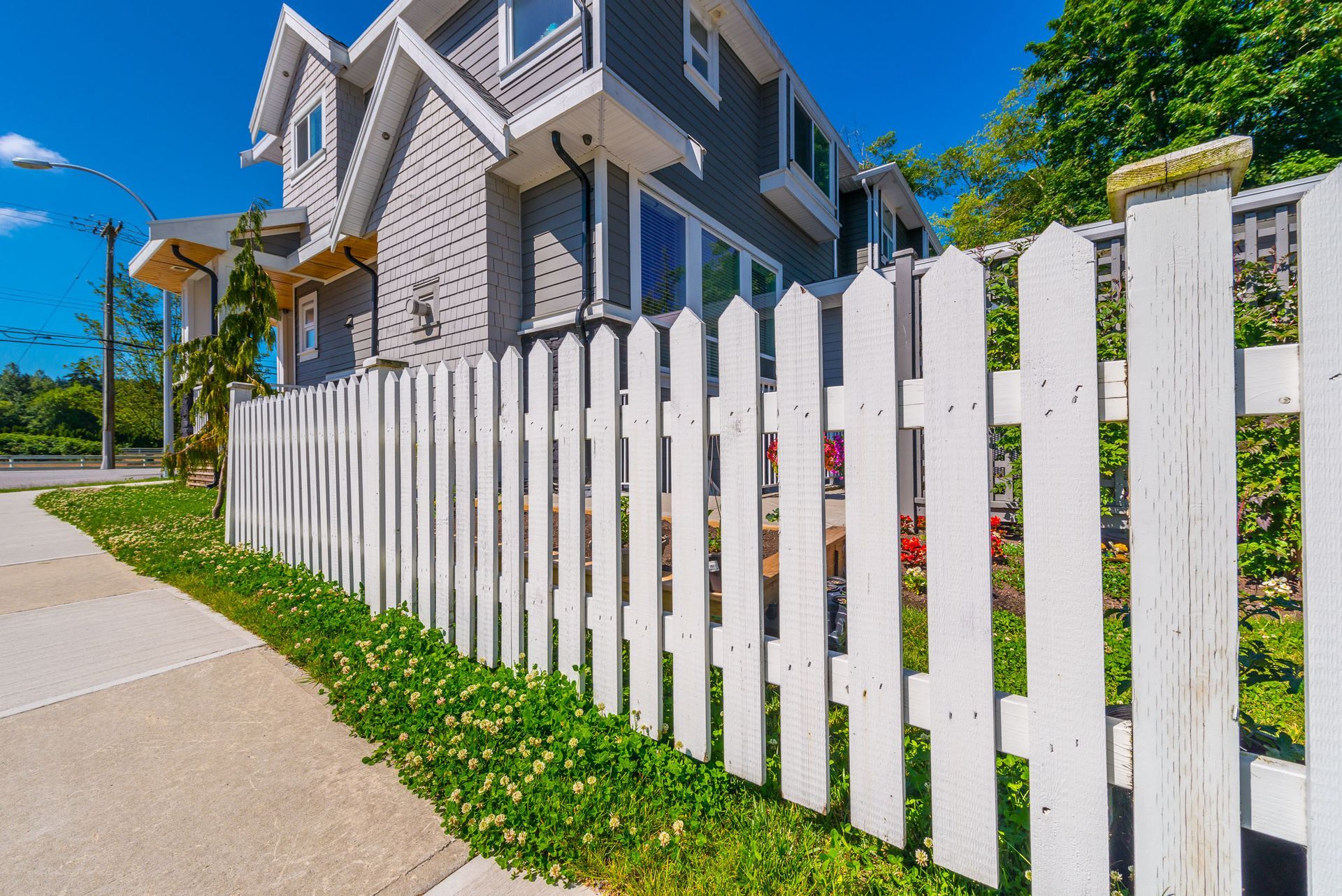
Style is just as important as material when planning a fence install. Classic fence designs, including picket, split-rail, and post-and-rail, provide timeless charm that complements traditional homes. Contemporary designs, featuring clean lines and minimalistic elements, suit modern or urban properties. Horizontal slats, sleek metal panels, and minimalist colors emphasize a modern aesthetic while maintaining function.
Decorative elements allow homeowners to personalize their fence installs. Lattice tops, ornamental ironwork, carved panels, or even customized engraving can enhance visual appeal while serving practical purposes like supporting climbing plants. Color and finish also play an important role. Choosing complementary colors can unify your home and landscape, while protective finishes improve longevity by resisting moisture, UV damage, and weathering. Custom fencing solutions offer maximum flexibility, enabling unique shapes, materials, or dimensions for truly one-of-a-kind installations. Thoughtful design ensures your fence install balances beauty, functionality, and durability.
Choosing Contractors or Considering DIY
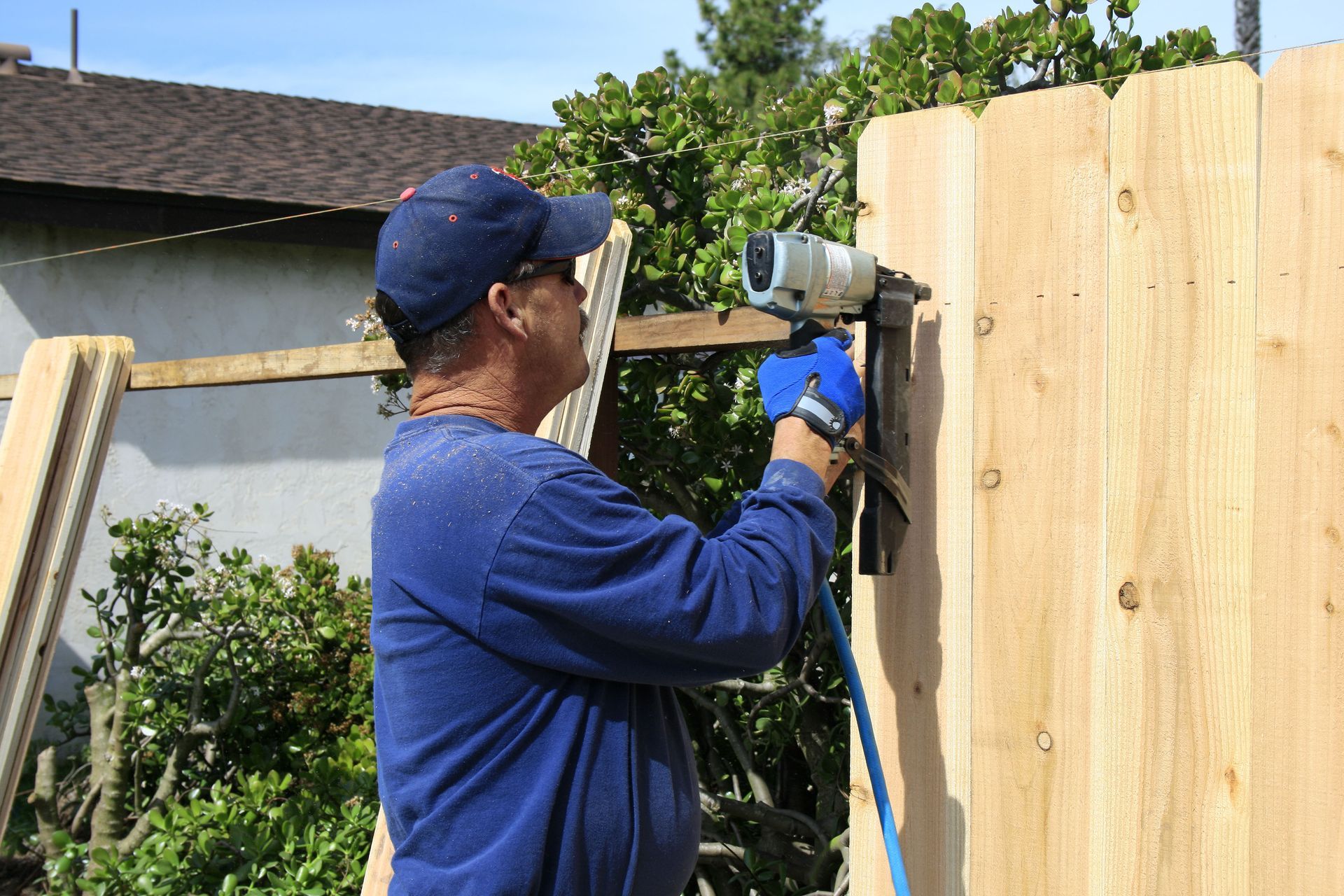
The success of your fence install depends largely on whether you hire a professional or undertake a DIY project. Start by researching contractors with verifiable experience, licenses, and insurance. Reviewing past projects and reading client testimonials helps gauge craftsmanship and reliability. Comparing multiple quotes ensures competitive pricing while clarifying scope, materials, and labor inclusions.
DIY fence installs can be cost-saving, but they require careful consideration of skill, tools, and time. Wood and metal fences demand precision and specialized equipment, while vinyl or chain-link may be more accessible for DIY. Understanding potential challenges, from soil grading to accurate measurements, helps set realistic expectations. Regardless of approach, it’s important to consider ongoing maintenance responsibilities early, as neglecting upkeep can shorten the lifespan of any fence. Proper planning and contractor selection contribute to a successful fence install that lasts for decades.
Planning Installation and Post-Setup Care
Planning extends beyond material selection and installation. Scheduling your fence install in advance ensures minimal disruptions and allows for proper site preparation, including marking boundaries, locating utilities, and obtaining permits. Conduct a thorough post-installation inspection to check alignment, structural integrity, and quality of workmanship. Early maintenance practices, such as cleaning, protective treatments, and seasonal inspections, prevent deterioration and extend the fence’s lifespan.
Integrating the fence with landscaping enhances both aesthetics and functionality. Plantings, lighting, and outdoor features should complement your fence to create a cohesive outdoor space. Addressing issues promptly, whether loose boards, rust, or minor warping, helps avoid expensive repairs and maintains security and privacy. Taking a proactive approach to installation and post-setup care ensures your fence install remains a reliable and visually appealing addition to your property for years to come.
Selecting the right fence involves careful evaluation of purpose, material, style, budget, and installation strategy. A well-planned fence install enhances privacy, security, and curb appeal while adding long-term value to your home. By thoughtfully considering each factor and committing to proper maintenance, homeowners can enjoy a durable, functional, and attractive fence for years to come. For professional fence installs that combine quality craftsmanship, design expertise, and lasting durability, trust Young's Fencing to bring your outdoor vision to life.


Share On: