
8 Important Factors to Consider Before Installing a Fence
Installing a fence is an important property improvement that can provide privacy, security, and a more defined outdoor space. However, choosing the right fence involves more than selecting an attractive design or deciding where the posts should go. Homeowners need to consider their property's layout, intended use, local requirements, materials, and long-term maintenance needs. Careful planning can help prevent unexpected expenses and avoid complications during installation. It also makes it easier to choose a fence that complements the home while meeting practical needs. Before beginning a project, reviewing the most important considerations can help homeowners make informed decisions. Understanding these factors can also make the installation process more organized and predictable.
1. Determining the Main Purpose of the Fence
The first step in planning a fence project is identifying what the fence needs to accomplish. Some homeowners want additional privacy, while others prioritize security, property boundaries, or decorative appeal. Families with children may need an enclosed yard where outdoor activities can take place more comfortably. Pet owners may require a design that prevents animals from slipping through openings or jumping over the barrier. These different goals can influence the height, material, spacing, and overall construction of the fence. When comparing options for fence installs, homeowners should consider how the finished structure will be used every day. A privacy fence, for example, may require solid panels, while a decorative boundary may benefit from an open design. Defining the primary purpose early helps narrow the available choices and keeps the project focused.
2. Evaluating the Property Layout and Terrain
The shape and condition of a property can affect how a fence should be designed and installed. Flat yards may allow for a more straightforward layout, while sloped or uneven ground can require additional planning. Homeowners should examine changes in elevation, existing landscaping, trees, driveways, and other features along the proposed fence line. These details can influence post placement and determine whether the fence should follow the ground or use stepped sections. Accurate measurements are also important because they help establish the amount of material needed for the project. Before scheduling fence installs, it is helpful to identify obstacles that could affect access or construction. A professional assessment can reveal potential challenges that may not be obvious during an initial walk around the property. Planning around the terrain helps create a finished fence that follows the property's layout more effectively.
3. Selecting Materials for Durability and Appearance
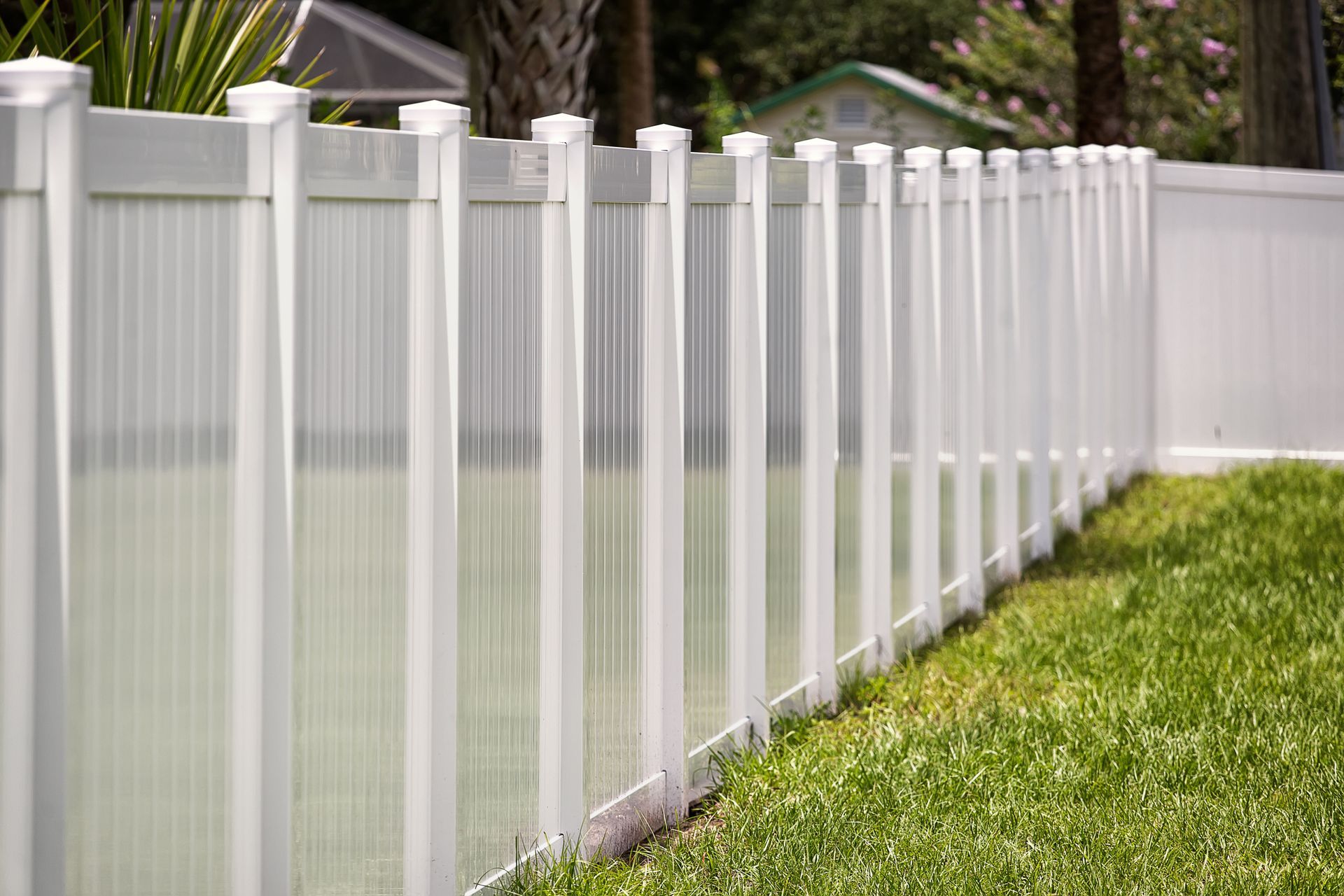
Fence materials influence the structure's appearance, durability, maintenance requirements, and overall cost. Wood remains a popular option because it offers a traditional look and can be customized with different stains and finishes. Vinyl provides another choice for homeowners seeking a material that generally requires less routine upkeep. Metal fencing can offer strength and an open appearance, making it suitable for certain property layouts and design preferences. Each material has advantages and limitations that should be considered before making a final decision. According to Bob Vila, wood fences generally need complete replacement after approximately 10 to 20 years. This makes it important to consider expected service life when comparing materials and planning long-term expenses. Choosing a suitable material helps ensure the finished fence meets both practical requirements and aesthetic preferences.
4. Reviewing Local Regulations and Property Boundaries
Before construction begins, homeowners should understand the rules that apply to fence placement and design. Local municipalities and homeowners' associations may have requirements concerning maximum height, approved materials, setbacks, and visibility near roads or intersections. Some neighborhoods also establish appearance guidelines to maintain consistency throughout the community. Property boundaries deserve particular attention because installing a fence beyond the legal property line can create disputes with neighboring owners. Homeowners should review their property survey and arrange a professional boundary assessment if the exact lines are uncertain. These steps are important before proceeding with fence installs because adjustments after construction can become expensive. It may also be necessary to obtain permits or approval before work begins. Checking these requirements in advance helps prevent delays and reduces the likelihood of having to modify or relocate a completed fence.
5. Establishing a Realistic Project Budget
A fence budget should account for more than the initial price of materials. Labor, post installation, gates, hardware, site preparation, and potential grading work can all influence the final project cost. Homeowners should also consider whether removing an existing fence or clearing vegetation will create additional expenses. Comparing estimates can provide a better understanding of available options, but the lowest price should not be the only deciding factor. It is important to review what each estimate includes and whether the proposed materials and construction methods meet the project's needs. When planning fence installs, homeowners should also leave room in their budget for unexpected site conditions. A realistic financial plan can help prevent the project from exceeding available funds. Considering long-term maintenance costs alongside installation expenses provides a more complete picture of the investment.
6. Choosing the Right Fence Height and Design
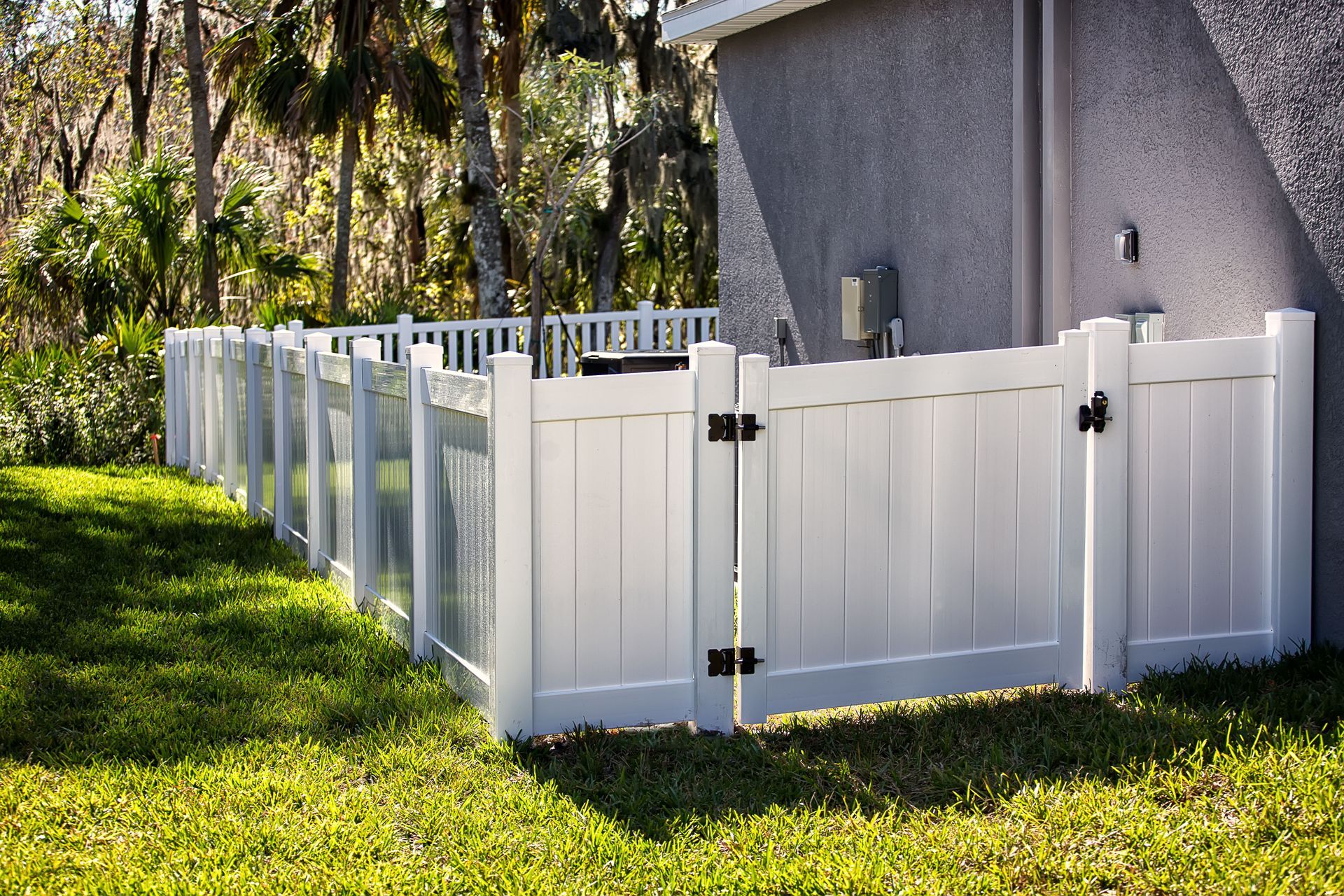
Fence height and style should reflect the property's intended use as well as its overall appearance. Taller panels may provide greater privacy, while shorter designs can establish boundaries without completely closing off the yard. Homeowners should think about how the fence will look from both inside and outside the property. The design should also complement the home's architectural features, landscaping, and existing outdoor structures. Gate placement is another important consideration because entrances need to provide convenient access for residents and visitors. During discussions about fence installs, homeowners can compare panel styles, decorative details, and opening configurations. It is helpful to consider how the fence will function when moving lawn equipment, bicycles, or other large items through the yard. Selecting an appropriate design can create a more cohesive outdoor space while supporting everyday convenience.
7. Considering Maintenance and Long-Term Care
Every fencing material requires some level of care to preserve its appearance and structural condition. Wood may need periodic cleaning, staining, sealing, or painting to help protect it from moisture and weather exposure. Vinyl typically requires less maintenance, although occasional washing can help remove dirt and buildup. Metal fencing may need inspections for corrosion, loose connections, or damaged protective coatings. Homeowners should consider how much time and money they are willing to dedicate to upkeep before selecting a material. These expectations can influence decisions about fence installs, especially when comparing products with different maintenance requirements. Regularly checking posts, panels, gates, and fasteners can help identify problems before they become more extensive. Choosing a fence that matches the homeowner's maintenance preferences can make long-term ownership more manageable.
8. Selecting an Experienced Installation Provider
The quality of installation can influence how well a fence performs over time. Proper measurements, stable posts, appropriate spacing, and secure connections all contribute to the finished structure. Homeowners should look for an installation provider with relevant experience and a clear understanding of different fencing materials and property conditions. Reviewing previous projects can offer insight into workmanship, attention to detail, and design capabilities. It is also useful to ask about project timelines, preparation requirements, cleanup, and what is included in the estimate. Before approving fence installs, homeowners should make sure the proposed scope of work reflects their expectations. Clear communication can help prevent misunderstandings about materials, placement, and project completion. Choosing a qualified provider helps homeowners move forward with greater confidence in the construction process.
A well-planned fence can improve the functionality, appearance, and usability of a residential property. However, achieving the right result requires attention to several details before construction begins. Homeowners should identify their priorities, evaluate the property, compare materials, and understand applicable regulations. Budgeting for installation and future maintenance can also help prevent unexpected expenses. Taking time to select an appropriate design and installation provider makes it easier to create a fence that meets the property's needs. With careful preparation, homeowners can make decisions that support lasting value and everyday convenience.
For homeowners considering a new fence, Young's Fencing can help move the project from planning to installation. Contact us to discuss your property, explore fencing options, and take the next step toward creating an outdoor space that meets your needs.


Share On: