
When Should You Repair Individual Fence Sections Instead of Replacing the Entire Fence?
Over time, fences can develop damage from weather exposure, aging materials, and everyday wear. While some problems may require replacing the entire structure, others can be resolved by repairing only the affected sections. Knowing the difference can help homeowners save money, preserve their property's appearance, and extend the life of their existing fence. Understanding what to look for and when to seek professional assistance from experienced fence contractors can make it easier to choose the right solution.
Assessing the Extent of Fence Damage
Identifying Localized Damage
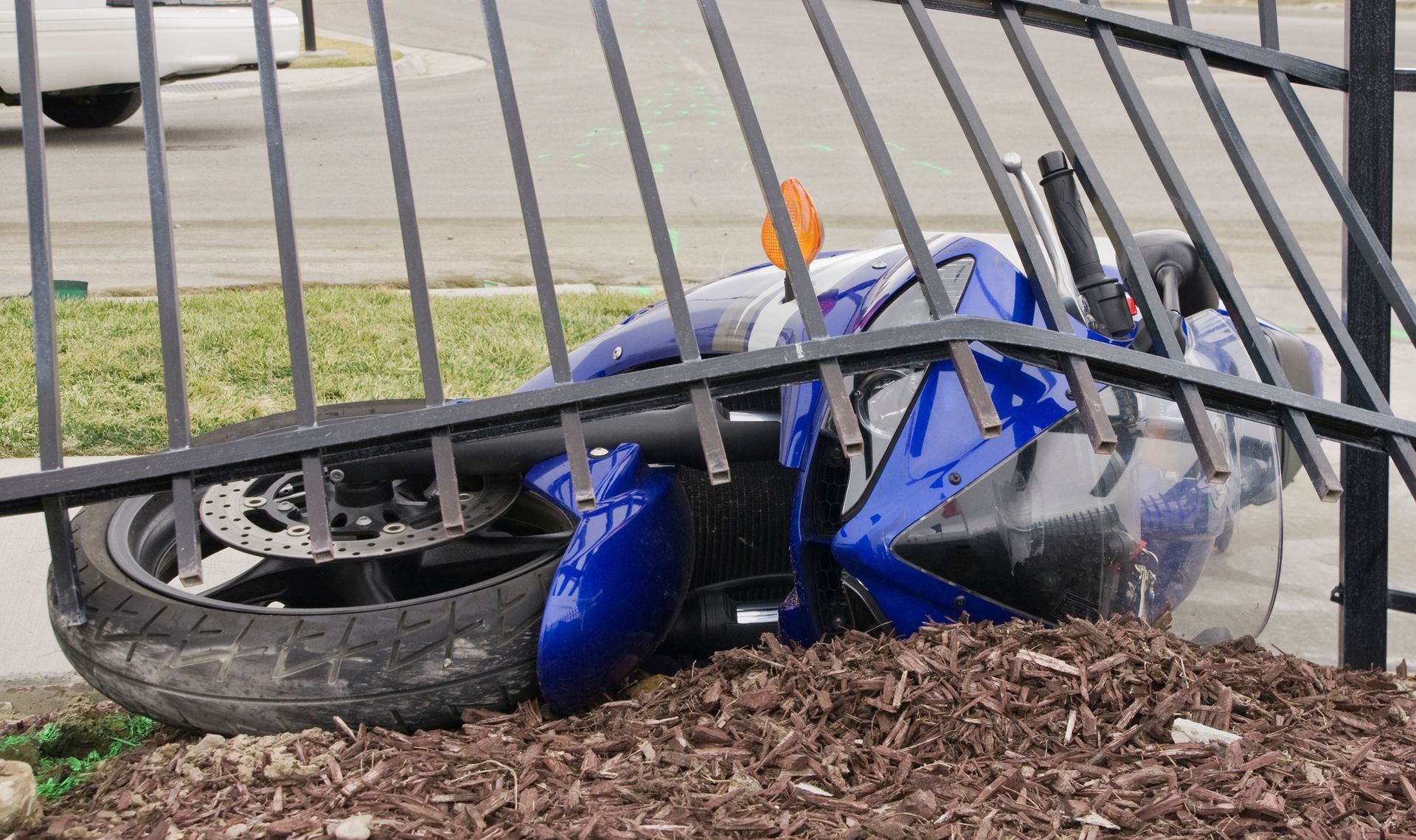
The first step is identifying signs of deterioration. Look for warped boards, loose panels, missing pickets, cracked posts, and areas affected by rot or insects. These problems do not necessarily mean the entire fence needs replacement. For example, a few damaged boards caused by a falling branch can often be replaced without disturbing surrounding sections. Addressing these issues early also prevents further deterioration.
Determine whether the damage is isolated or widespread. Localized problems may result from accidental impacts or excessive moisture, while widespread deterioration could indicate that the fence is approaching the end of its useful life. Pay particular attention to posts and support structures, as damage in these areas can affect multiple sections. Fence contractors can inspect these areas to identify problems that may not be immediately noticeable.
Evaluating Structural Stability
Appearance is only one part of a fence's overall condition. Leaning sections, loose connections, and unstable posts may indicate deeper structural problems. If the supporting posts remain secure, replacing damaged boards or rails may be practical. However, widespread post deterioration can make individual repairs less effective.
Professional fence contractors can distinguish between cosmetic issues and structural concerns that require more extensive work. Their assessment helps homeowners understand which sections remain dependable and whether repairs will provide lasting results.
Evaluating Fence Materials and Construction
Comparing Material Lifespans
The type of material used in a fence significantly influences its durability and maintenance requirements. According to HomeGuide, most fences last 15 to 30 years, while metal types can last longer. Actual longevity depends on material quality, installation methods, maintenance, and environmental exposure.
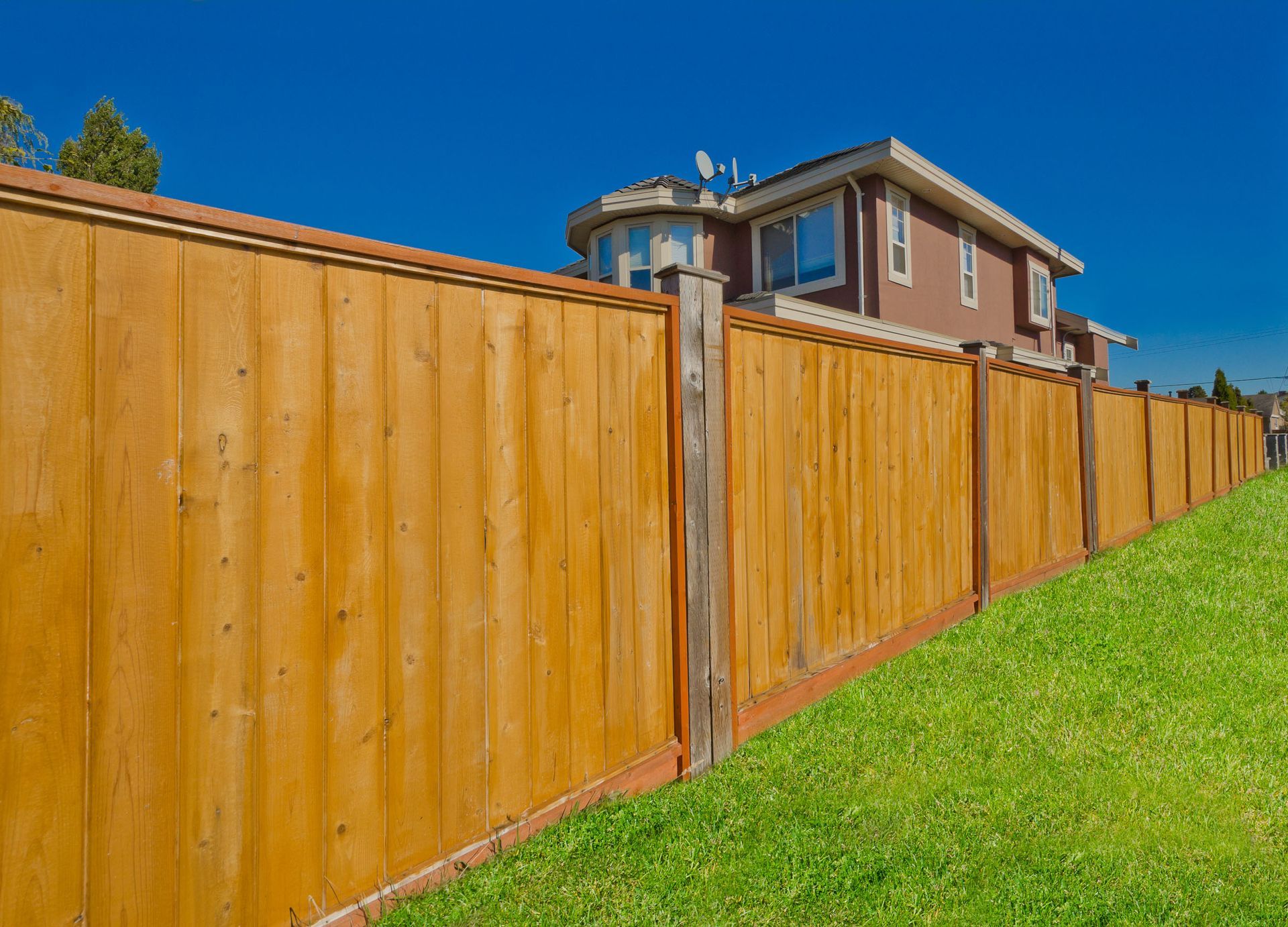
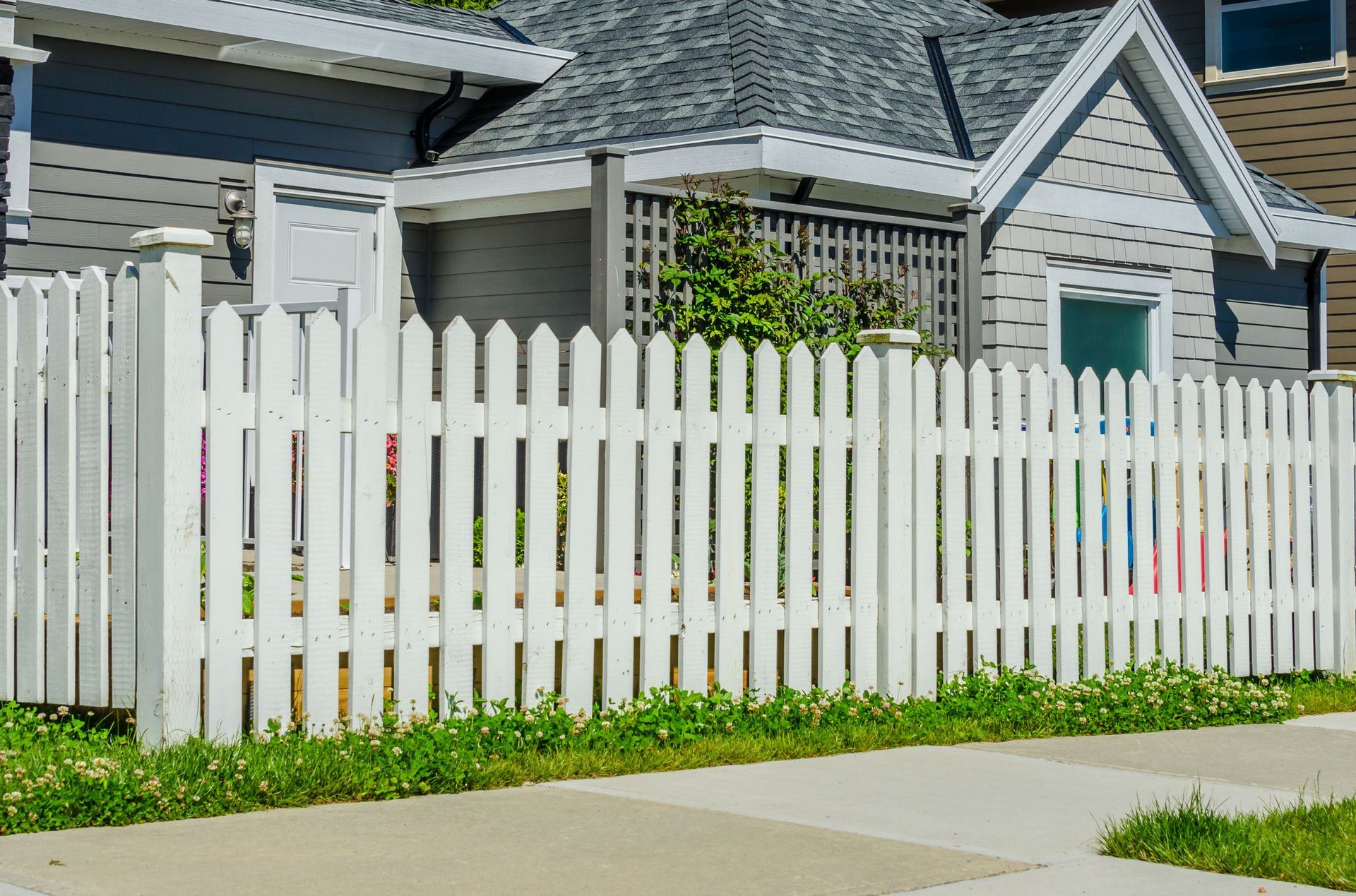
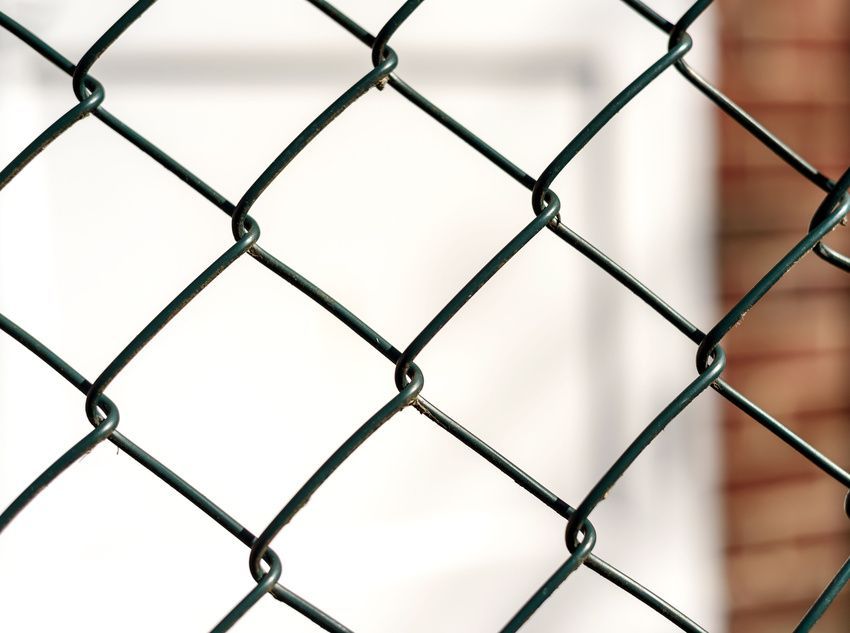
Wooden fences offer a traditional appearance but are vulnerable to moisture, insects, and decay. Replacing a few damaged boards may be worthwhile when the remaining structure is sound. Vinyl fencing generally resists moisture, although individual panels can crack from impacts. Metal fences are often durable, but corrosion and loose connections can still develop over time.
Matching Existing Materials
Material availability is another important consideration. Replacement boards, panels, and hardware should match the existing fence as closely as possible. Differences in color, texture, dimensions, or design can make repaired sections stand out, particularly with older wooden fences that have weathered over several years.
Before beginning repairs, determine whether matching materials are still available. If suitable replacements cannot be found, homeowners may need to update a larger portion of the fence to achieve a consistent appearance. Older construction methods and weakened fasteners should also be evaluated to determine whether additional structural improvements are necessary. Experienced fence contractors can help identify compatible materials for a cohesive result.
Comparing the Financial Costs of Repairs and Replacement
Calculating Immediate Project Expenses
Budget is often one of the biggest factors when deciding between repairing individual fence sections and replacing an entire structure. Compare estimates for both options, including materials, labor, removal, and disposal expenses. Repairing a few damaged boards generally requires fewer materials and less labor than a complete installation.
However, homeowners should avoid choosing repairs based solely on the lowest immediate estimate. A less expensive solution may not provide good value if other sections are likely to fail soon. Getting estimates from qualified fence contractors can help clarify the costs and scope of each option.
Considering Long-Term Maintenance Costs
Repairs can postpone a complete replacement and help homeowners get more use from an otherwise dependable structure. Addressing minor problems promptly may also prevent them from spreading and creating more expensive repairs later.
On the other hand, an aging fence that requires frequent maintenance may become more expensive to preserve than replace. Repeatedly replacing boards, reinforcing posts, and correcting structural problems can add up over time. Homeowners should compare projected repair expenses with the investment required for a new fence.
It is also worth reviewing applicable warranties or insurance coverage. Certain types of accidental damage may qualify for insurance assistance, while manufacturer warranties could cover specific material defects.
Preserving Fence Appearance and Functionality
Maintaining Visual Consistency
A fence contributes to a property's overall appearance, so repairs should preserve its existing design whenever possible. Replacing individual sections can maintain curb appeal when the remaining materials are in good condition. However, mismatched boards, noticeably different colors, and uneven panel heights can make repairs more apparent.
Wooden fencing may require staining or painting after replacement boards are installed to create a uniform appearance. Vinyl and metal fences also benefit from replacement components that match their original finish and design. If matching materials are unavailable, updating a larger section may produce better results.
Restoring Privacy and Security
Functionality is just as important as appearance when evaluating fence damage. Missing boards and broken panels can compromise privacy, while unstable posts and damaged gates may affect security. Repairs should restore the fence's ability to provide the protection and separation homeowners expect.
Consider whether damaged sections affect property boundaries or areas where children and pets spend time. Even a small opening can create practical concerns if left unaddressed. If multiple areas have deteriorated, more comprehensive repairs or replacement may be necessary.
Considering Environmental and Seasonal Factors
Reducing Waste Through Targeted Repairs
Repairing individual fence sections can offer environmental benefits by reducing the amount of material sent to landfills. When most of a structure remains usable, replacing only damaged components conserves resources and limits unnecessary waste. Wood and metal components may also be recyclable or suitable for other uses, depending on their condition and treatment.
Scheduling Repairs for Favorable Conditions
Weather conditions can affect the quality and longevity of fence repairs. Moderate temperatures and relatively dry conditions are generally preferable for outdoor installation. Excessive rain can make the ground unstable, while extreme temperatures may affect certain materials and finishes. Wooden components may also need to dry properly before staining or painting.
Planning around favorable weather can help prevent installation complications and delays. Experienced fence contractors can recommend appropriate timing, materials, and repair methods based on the condition of the existing structure.
Making the Right Decision for Your Fence
Determining When Replacement Is Necessary
Although individual repairs can be effective, they are not always the best long-term solution. Extensive rot, widespread corrosion, multiple unstable posts, and significant structural deterioration may indicate that the entire fence needs replacement. A structure that has reached the end of its expected lifespan may also require more frequent attention, making continued repairs less practical.
Consider the overall condition of the fence rather than focusing exclusively on its most visibly damaged areas. If most sections remain stable and functional, targeted repairs may provide several additional years of use. If deterioration affects multiple areas or compromises stability, investing in a new structure may offer better long-term value.
Ultimately, deciding between repairing individual sections and replacing an entire fence requires balancing structural condition, material lifespan, project costs, appearance, and functionality. For professional guidance and dependable fencing solutions from experienced fence contractors, contact Young's Fencing to discuss your property's needs and determine the best approach for maintaining or improving your existing fence.


Share On: