
Protect Your Vegetables With Durable Garden Fencing
Every gardener knows the heartbreak of watching a thriving vegetable plot get destroyed overnight by hungry wildlife. You spend months enriching soil, planting seeds, and watering tender sprouts, only to find them chewed down to roots. While companion planting and raised beds offer partial defense, persistent pests easily bypass soft measures. Installing quality garden fencing remains the ultimate way to create a secure perimeter around your crops.
A sturdy physical barrier eliminates guesswork from pest management and allows your harvest to flourish without constant supervision. Whether dealing with deer, burrowing rabbits, or opportunistic raccoons, the right enclosure alters your backyard ecosystem in your favor. Beyond animal control, structural barriers define your growing space clearly, improve layout, and shield tender vines. Understanding how to select, construct, and maintain these structures ensures that your agricultural efforts yield bountiful results year after year.
Select Strong Materials for Maximum Protection
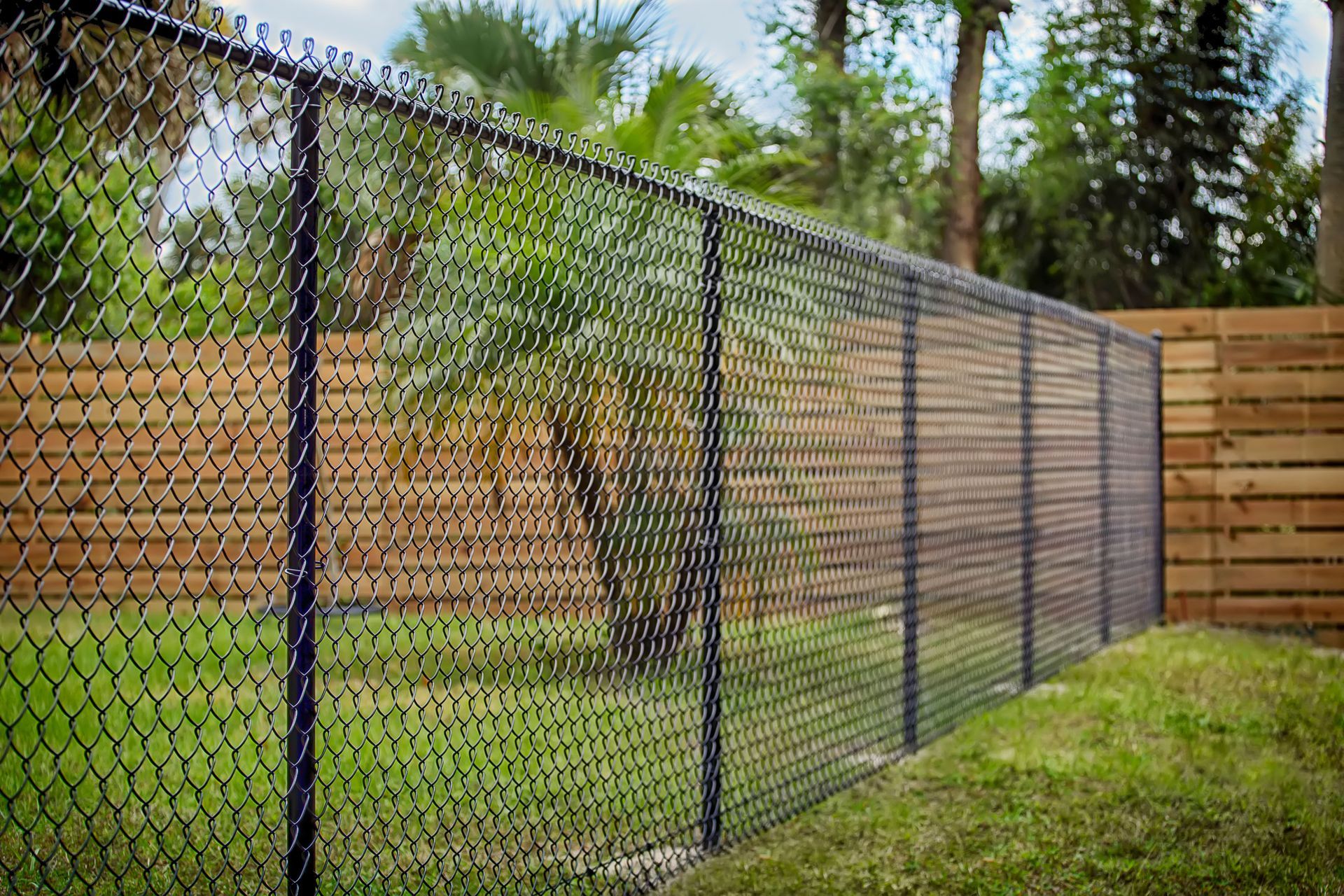
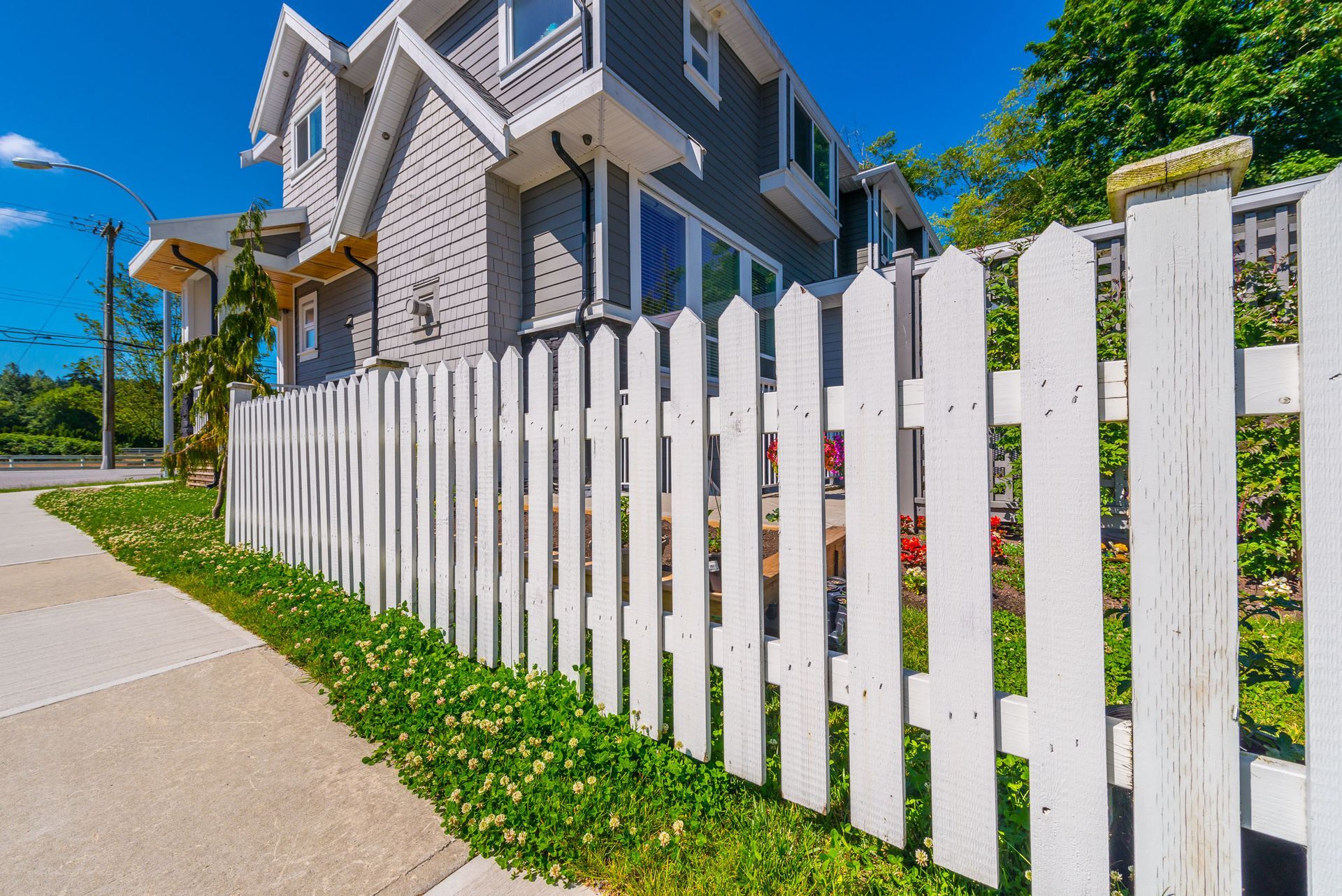
Choosing correct building materials determines how effectively your barrier stands up to animal intrusion and seasonal weather. Galvanized steel wire mesh is widely considered the gold standard for vegetable plots due to its resilience against chewers and rust. Standard wooden pickets look charming, but hungry rodents easily gnaw through soft pine unless reinforced with internal metal mesh. Vinyl panels and heavy poly-netting present lightweight alternatives, though plastic can degrade under intense direct sunlight over several seasons.
When reviewing wire mesh options, hardware cloth with quarter-inch grid openings provides superior security against smaller intruders like field mice and voles. Heavier gauge welded wire works wonderfully for larger critters, ensuring animals cannot easily push through the framework. Combining a sturdy timber support frame with durable wire mesh creates a hybrid structure that is both visually appealing and functionally robust. Installing durable garden fencing with high-grade, weather-resistant materials from the start saves money on structural repairs as seasons pass.
Selecting treated lumber for vertical posts prevents ground rot and insect infestation from compromising your structural boundary. Pressure-treated pine and naturally decay-resistant cedar are excellent wood choices for securing support posts deep into damp soil. Choosing custom garden fencing built with galvanized hardware prevents premature rusting, ensuring post fasteners remain strong despite high humidity and rain. Taking extra time to select weather-resistant hardware guarantees that your primary defense grid will withstand decades of harsh outdoor exposure.
Plan Proper Height to Stop Jumping Pests
Designing an enclosure with appropriate height and depth requires analyzing the specific wildlife populations living near your property. White-tailed deer frequently leap over standard four-foot enclosures with ease, requiring vertical barriers reaching eight feet high for safety. If deer are less of a concern, a five-foot barrier equipped with an outward-angled top overhang deters jumping animals while maintaining an open feel. Tailoring your dimensions to match local pest capabilities ensures you do not waste resources building an inadequate protective shell.
Underground pests like gophers, moles, and groundhogs require equal attention because they easily bypass surface structures by digging underneath. To prevent subterranean entry, you must extend your mesh barrier at least twelve to eighteen inches below the surface line in a trench. Installing subterranean garden fencing stops burrowing animals from tunneling directly beneath your raised beds or open vegetable rows. This horizontal metal apron hidden beneath the dirt redirects digging pests outward and away from your tender root vegetables.
Flexible design adjustments help address unique topographical challenges, such as sloping yards or uneven garden beds along property lines. Stepped panel layouts work best on sloped hillsides, ensuring that no wide gaps form between the bottom rail and ground contour. Incorporating perimeter garden fencing allows home growers to include double-gated entryways that easily accommodate wide wheelbarrows and heavy lawn equipment. Proper height planning paired with thoughtful access design makes daily gardening duties pleasant while maintaining total defense against intruders.
Evaluate Professional Installation and Overall Costs
Budgeting for a major garden defense upgrade involves analyzing upfront material costs against the long-term value of your saved harvests. While basic roll wire and wooden stakes are relatively inexpensive, comprehensive structural enclosure projects involve labor, excavation work, and specialized tools. Homeowners often underestimate the time required to dig deep post holes, level framing timber, and stretch wire mesh tightly across long spans. Choosing proper garden fencing requires careful financial planning to balance immediate installation expenses with multi-year durability and performance expectations.
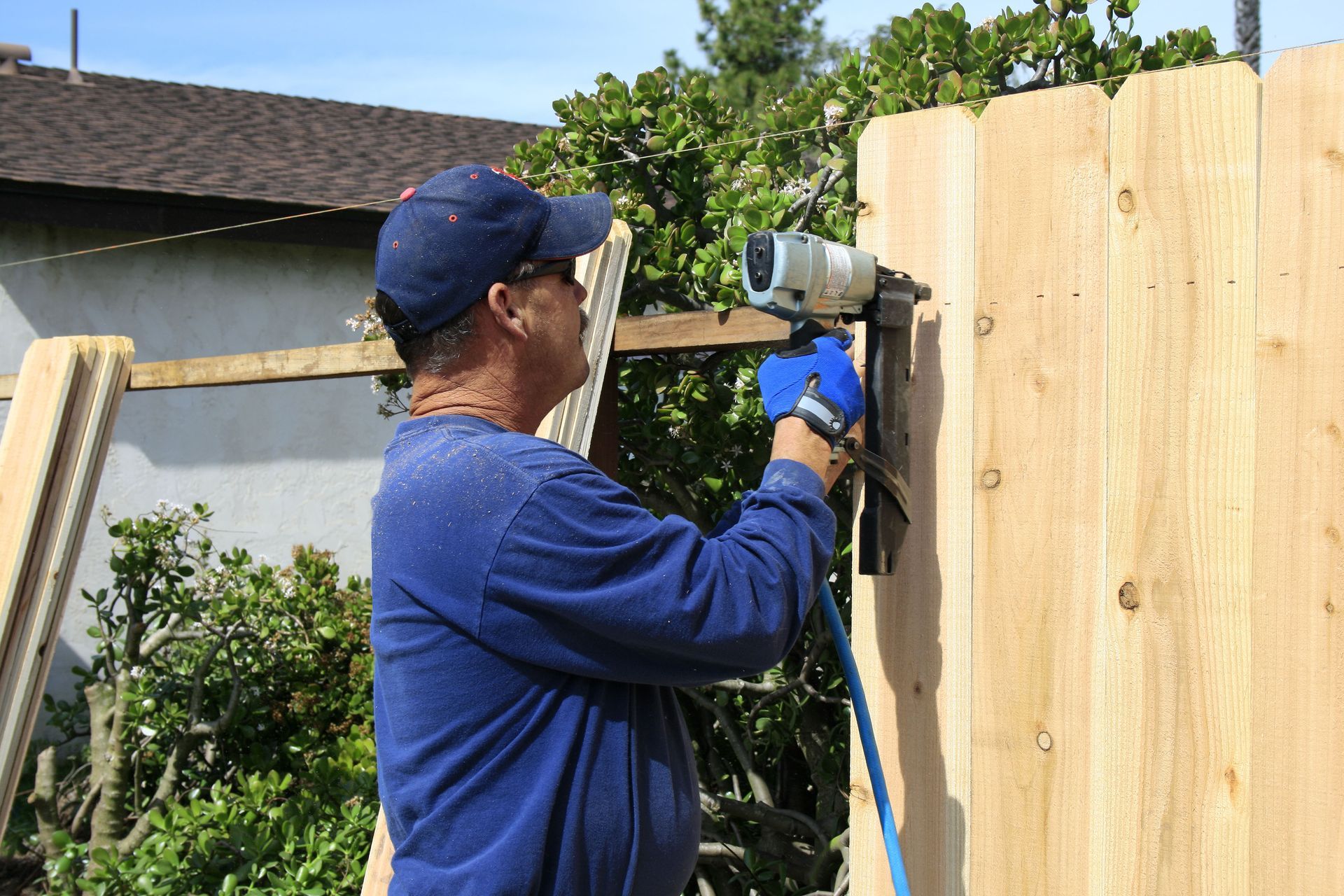
According to This Old House, labor and professional setup usually make up roughly 50% of your overall budget, with uneven ground, extra tall panels, and local permits introducing additional fees and labor hours. Hiring an experienced professional installation crew eliminates heavy manual labor while ensuring structural posts are buried deep enough to withstand winter frost heaves. Professionals also possess specialized equipment, such as powered post-hole augers and mechanical wire stretchers, that guarantee tight lines and flawless alignment. Weighing these convenience factors against your personal skill level helps determine the most sensible path forward for your budget.
Investing in protective garden fencing provides lasting peace of mind by completely eliminating seasonal anxiety and financial loss over destroyed crops. Premium construction materials may carry higher initial price tags, but they eliminate the tedious annual cycle of buying temporary plastic netting every spring. Furthermore, well-constructed perimeter boundaries increase overall property value by adding functional, attractive hardscaping features to your landscape. View your installation project as an investment in sustainable living that pays generous annual dividends in crisp lettuce, juicy tomatoes, and vibrant produce.
Maintain Your Perimeter for Longtime Success
Even the most rugged protective enclosure requires routine inspection and minor maintenance to retain its structural integrity over many growing seasons. Winter ice storms, falling tree branches, and spring freeze-thaw cycles can gradually loosen tension wires and compromise vertical support posts. Inspecting your structural setup every spring allows you to catch minor flaws before hungry wild animals learn to exploit small physical gaps. Replacing rusted hinges, re-tightening loose wire panels, and clearing away creeping weed growth prevents long-term structural decay and hardware failure.
Overgrown vegetation growing directly along the wire mesh boundary creates convenient ladder-like pathways for agile climbing pests like raccoons and squirrels. Trimming back heavy vines, overhanging branches, and thick weeds preserves clear visual sightlines while preventing moisture accumulation along wooden framing elements. Applying a high-quality protective wood sealant or stain every few seasons shields timber frames from rot, excessive moisture absorption, and sun bleaching. Simple, consistent maintenance habits significantly extend the overall operational lifespan of your enclosure, protecting your investment for decades to come.
Monitoring the ground line for signs of soil erosion or fresh animal digging activity ensures that your buried underground apron remains fully covered with earth. Replenishing packed topsoil or placing heavy gravel along high-risk digging zones deters stubborn burrowers from attempting new breach points during peak growing seasons. Reinforcing latch mechanisms on all gate entrances keeps highly intelligent critters like raccoons from working open latches during quiet nighttime hours. Proactive upkeep ensures that your crop defense system functions flawlessly throughout every phase of the planting, growing, and harvesting calendar.
Building a dependable physical barrier around your home vegetable plot transforms your daily gardening experience from a constant struggle into a peaceful, rewarding hobby. By selecting durable construction materials, planning appropriate vertical heights, and performing routine seasonal maintenance, you create an invincible sanctuary where plants thrive without threat. Installing durable
garden fencing guarantees that your hard work, financial investments, and valuable time translate into abundant seasonal harvests for your entire family. Taking action now sets your backyard plot up for complete agricultural success for many growing seasons to come.
At Young's Fencing, we are dedicated to helping you protect your valuable home harvest with custom-built, long-lasting enclosure solutions tailored specifically to your unique landscape. Contact our expert team today to schedule your personalized consultation and receive a comprehensive, detailed project quote for your backyard property. Let us build the ultimate defense system for your yard so you can enjoy a completely worry-free growing season this year and beyond.


Share On: