
6 Things to Consider Before Garden Fence Installation
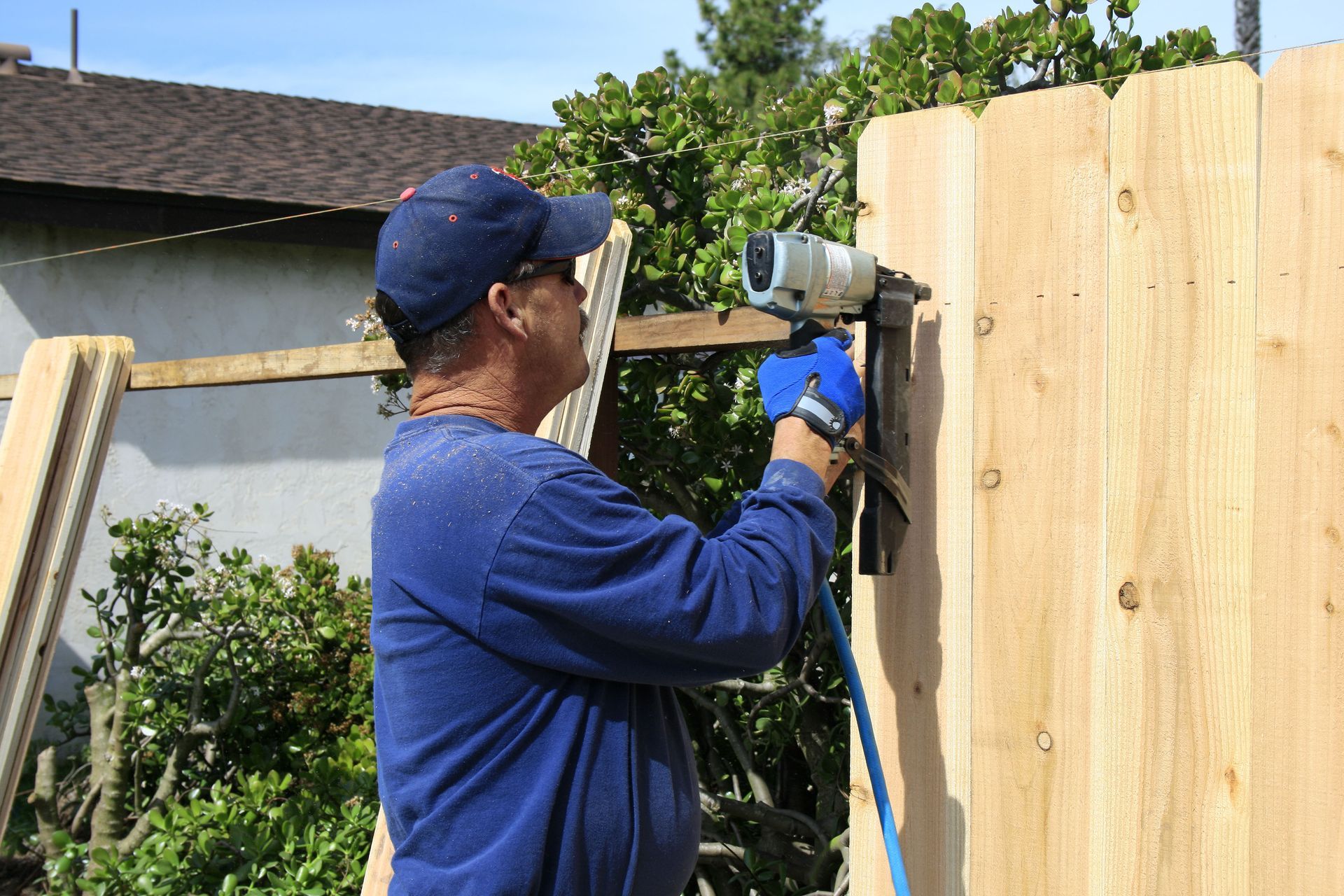
The decision to install a garden fence involves more than choosing a design and material. It also requires consideration of the garden's purpose, layout, appearance, and the type of protection or boundary the fencing should provide. Garden fencing can help protect plants from pests while also providing privacy, security, and visual definition for the outdoor space.
According to RubyHome, 55% of American homes have a garden. Available garden fencing options include different materials and styles, making it useful to consider how each one will work with the garden and surrounding property. Taking time to evaluate these factors before garden fence installation can help narrow down the options and create a fencing plan that suits the space.
1. The Goals of Garden Fencing
Before planning a garden fence installation, consider what you want the fencing to accomplish. Garden fencing can help protect plants from pests, define the garden area, provide privacy and security, and contribute to the appearance of the surrounding landscape. Identifying your priorities can make it easier to narrow down the styles and materials that fit the space.
The layout and purpose of the garden can also influence the type of fencing you consider. A garden intended primarily for pest protection may call for a different approach than one where visual appeal or privacy is a greater priority. Think about how the fence will interact with the garden and surrounding outdoor space before selecting a style.
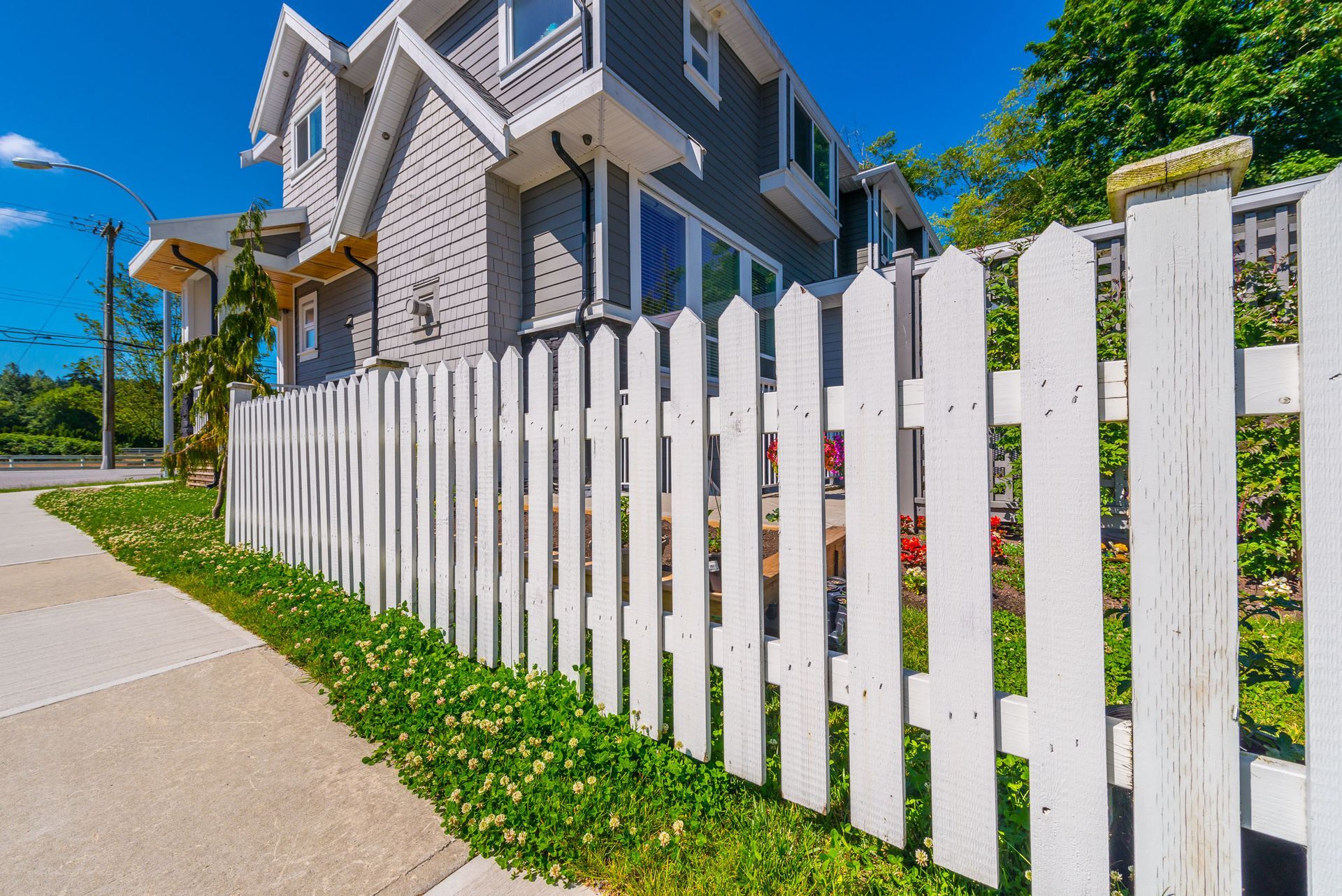
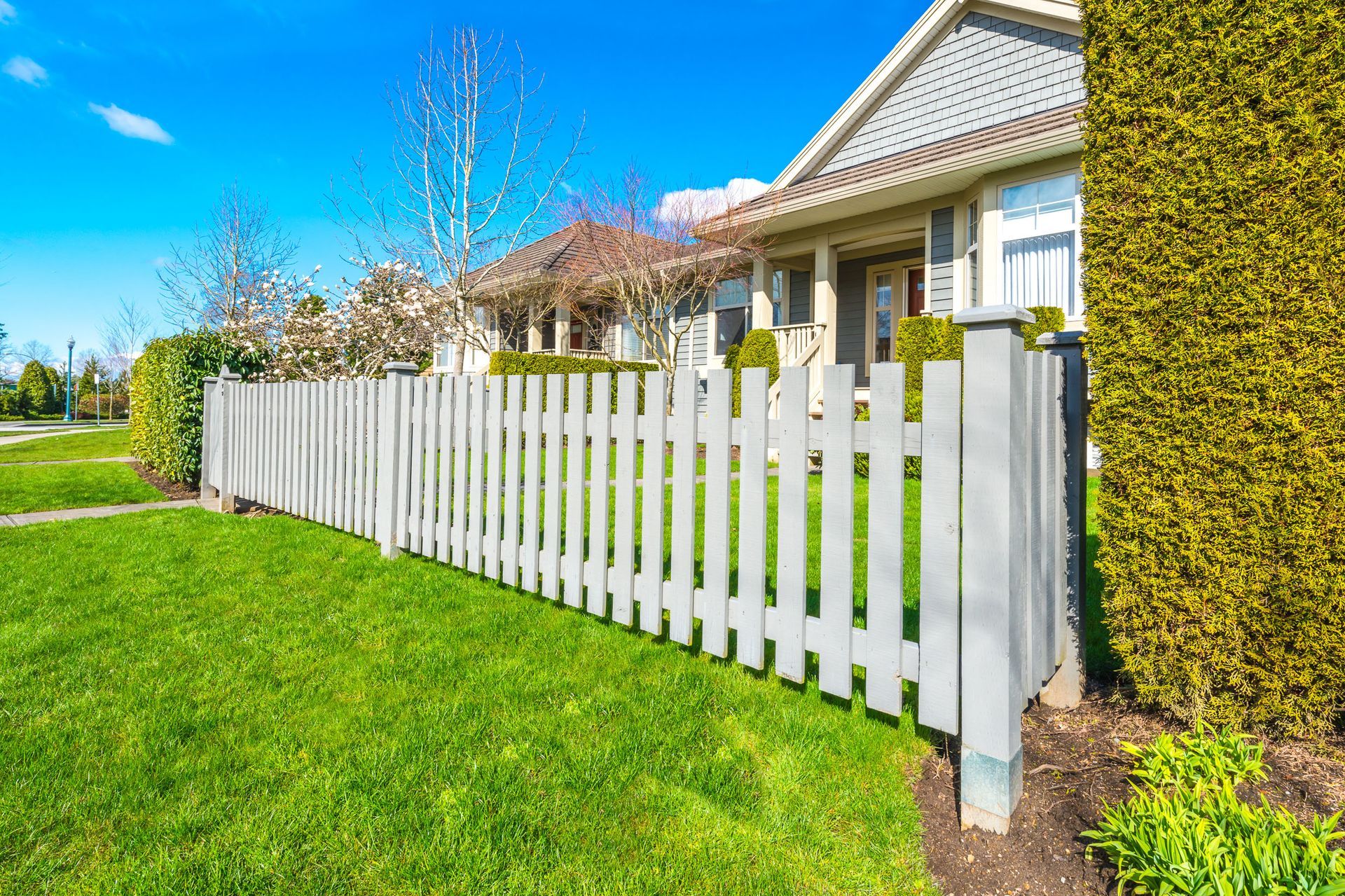
Appearance is another consideration when planning garden fence installation. Garden fencing is available in styles ranging from picket fences to other robust barriers, with options intended to complement the look of the outdoor space. Choosing a style that works with the garden's layout and overall appearance can help create a more cohesive finished space.
2. The Styles of Garden Fencing
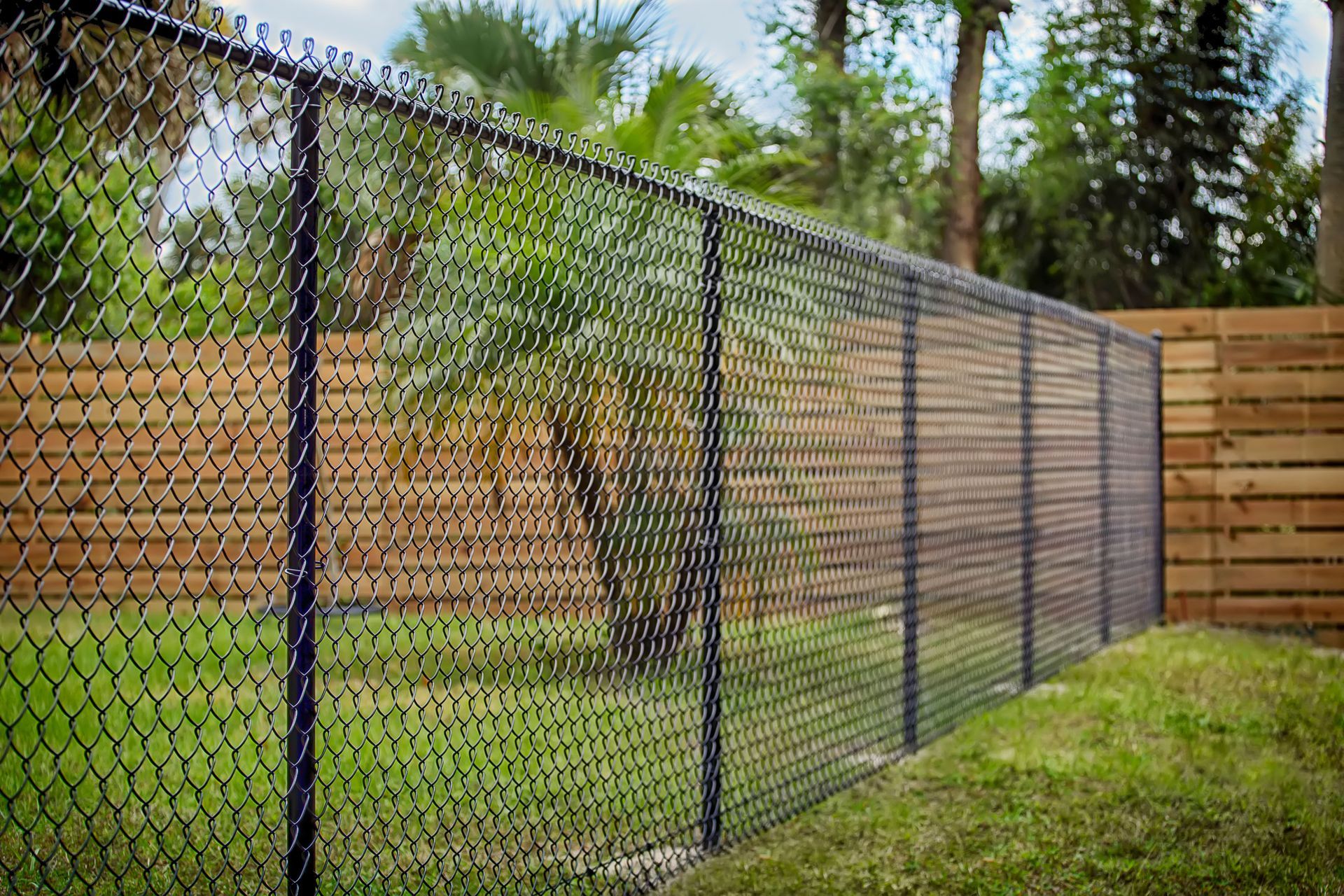
Garden fencing is available in different materials and styles, making it useful to consider how each option fits the purpose and appearance of the space. Available fencing options include wood, vinyl, and aluminum, along with styles such as picket, privacy, split rail, chain link, and deer fencing. Garden fencing can also provide a protective barrier around plants and other garden areas.
Wood fencing can provide a traditional appearance, while vinyl and aluminum offer additional options for homeowners considering different looks and materials. Picket fencing can create a more decorative boundary, while privacy fencing provides greater visual separation. The appropriate choice depends on the garden's layout, intended use, and preferred appearance.
Garden fence installation can also incorporate gates or arbors when those features fit the design. Considering these features alongside the main fence can provide an additional way to define an entrance or add visual structure to an outdoor space. Reviewing these options together can help you consider how the complete fencing arrangement will fit the garden.
3. The Layout of Garden Fencing
The layout of the garden and surrounding property can influence how garden fence installation fits into the space. Consider the location of planting beds, pathways, existing landscaping, and other features when determining where the fence should be placed. Thinking through these elements beforehand can help the finished fencing work with the existing outdoor space.
Terrain is another consideration when planning garden fencing. A garden may have changes in elevation or other site characteristics that affect how the fence fits into the property. Discussing the layout and terrain as part of the planning process can help identify an appropriate fencing approach.
Existing landscaping should also be considered when planning the fence line. Trees, shrubs, planting beds, and other garden features can affect the available space and the overall appearance of the finished fence. The goal is to create a boundary that protects the garden while fitting naturally into the surrounding landscape.
4. The Review of Local Fencing Requirements
Before moving forward with garden fence installation, review any local requirements that may apply to the property. Rules can vary by municipality and may address factors such as fence height, placement, property boundaries, or required permits. Checking the applicable requirements before installation can help you understand what needs to be addressed during planning.
Homeowners may also need to review rules established by a homeowners association or other property-specific organization. These requirements can address fencing styles, materials, placement, or appearance. Reviewing the applicable guidelines ahead of time can help you plan a garden fence that fits the property.
Property boundaries are another consideration. If you're uncertain about where the property line falls, confirming the boundary before installation can help avoid placement issues. Taking care of these planning details before the work begins can make the installation process more straightforward.
5. The Planning of a Garden Fence Budget
Budget planning is an important part of choosing a garden fence. Costs can vary depending on the fencing material, style, size of the area, and scope of the installation. Consider the amount of fencing needed and the features you want to include before settling on an option.
The available garden fencing options include multiple styles and materials, giving homeowners choices to consider based on the needs and appearance of their garden. Comparing these options can help you identify a fencing approach that fits both the space and your preferences. Considering the intended use of the garden can also help establish which features matter most to the project.
Seeing fencing samples in person can also help when comparing styles. A fully stocked showroom provides an opportunity to view available fencing samples while considering how different materials and designs may work with the garden and surrounding property. Requesting an estimate can also help clarify the expected cost of a particular fencing project.
6. The Comparison of Garden Fencing Options
Once you've considered your garden's purpose, layout, and budget, compare the fencing options that fit those needs. Available garden fencing can range from picket styles to other robust barriers, with different materials and designs available for different outdoor spaces. Comparing the options can help you focus on fencing that suits the intended function and appearance of the garden.
Seeing fencing samples in person can help when comparing styles. Examining available options provides an opportunity to consider how different materials, finishes, spacing, and designs may work with the garden and surrounding property. This can make it easier to select fencing that fits the desired appearance and function of the space.
Garden fence installation can also incorporate gates and arbors when those features fit the design. Considering these elements alongside the main fence can help create a more cohesive boundary around the garden while providing a defined entrance or additional visual structure. Reviewing the complete arrangement before installation can help you consider how each element will work within the space.
Planning a garden fence starts with considering the garden's purpose, layout, preferred style, available materials, local requirements, and budget. The right fencing can help protect plants from pests while adding privacy, security, and definition to the outdoor space. Considering these elements together can help establish a clear direction for the project.
Considering how different fencing options will work with the garden's existing features can help create a cohesive result. Reviewing the space, intended use, and desired appearance before installation can also make the selection process more straightforward. Taking time to compare available options allows you to focus on features that fit the garden.
To explore garden fencing and related services in Ridgefield, CT, learn more about what Young's Fencing offers for garden planning, new garden installation, and fencing projects.


Share On: