
Top Questions to Ask a Fence Company When Securing a Dog-Friendly Backyard
Creating a secure and dog-friendly backyard involves more than just picking out a stylish boundary. It's essential to ask the right questions to ensure the safety, durability, and aesthetic appeal of your structure. This article will guide you through the top queries to present to a fence company, so you can provide the best environment for your canine companion. A good barrier not only provides security for your dog but also peace of mind for you as a pet owner. By following this guide, you'll learn how to make informed decisions for both budget and safety.
Investing in your yard requires careful thought because your home’s outdoor space serves as your pet's primary area for play, exercise, and relaxation. Failing to secure the area properly can lead to costly mistakes, unnecessary stress, or dangerous escape attempts. Consulting with experienced local containment professionals helps you identify hidden property vulnerabilities before construction even begins. Taking the time to evaluate your property alongside a knowledgeable team ensures a beautiful setup that keeps your pet contained. This guide serves as your roadmap to establishing an enduring, reliable, and beautiful backyard retreat. Working with a dedicated professional installer transforms your initial concepts into a reliable, lifelong sanctuary for your favorite four-legged family member.
Understand Your Dog's Unique Needs and Traits
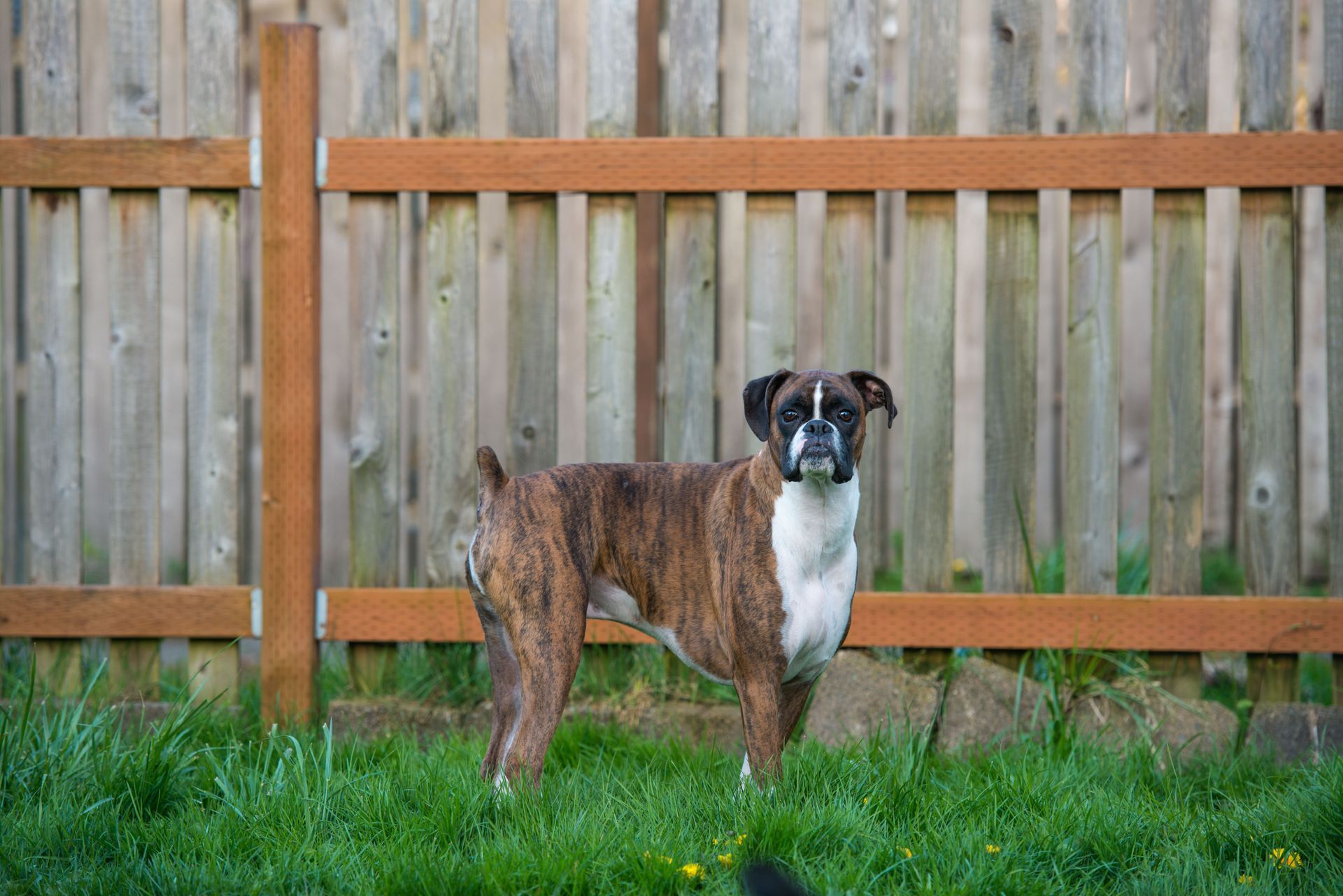
Your dog's size and breed will significantly influence the type of structure you should install. Larger breeds may need taller and sturdier boundaries to prevent accidental breakouts. Conversely, smaller breeds may still require a secure perimeter but won't have the same strength to pose a risk to weaker structures. Understanding your dog's physical capabilities and tendencies can help determine the most appropriate layout, offering both safety and peace of mind. Discuss these aspects with your fence company to ensure your dog remains secure in its designated area.
Breed-specific traits should also be considered when planning your backyard layout. Some breeds have high energy levels and love to dig, which may require an underground safeguard to prevent them from tunneling out. Similarly, dogs known for their agility and jumping prowess can necessitate higher barriers, even if they are smaller in stature. By consulting with a contractor who understands these nuances, you can customize your setup to better suit your dog's behavior. Tailoring your approach according to breed specifications will provide extra assurance when it comes to security.
Evaluate the Best Materials for Pet Safety
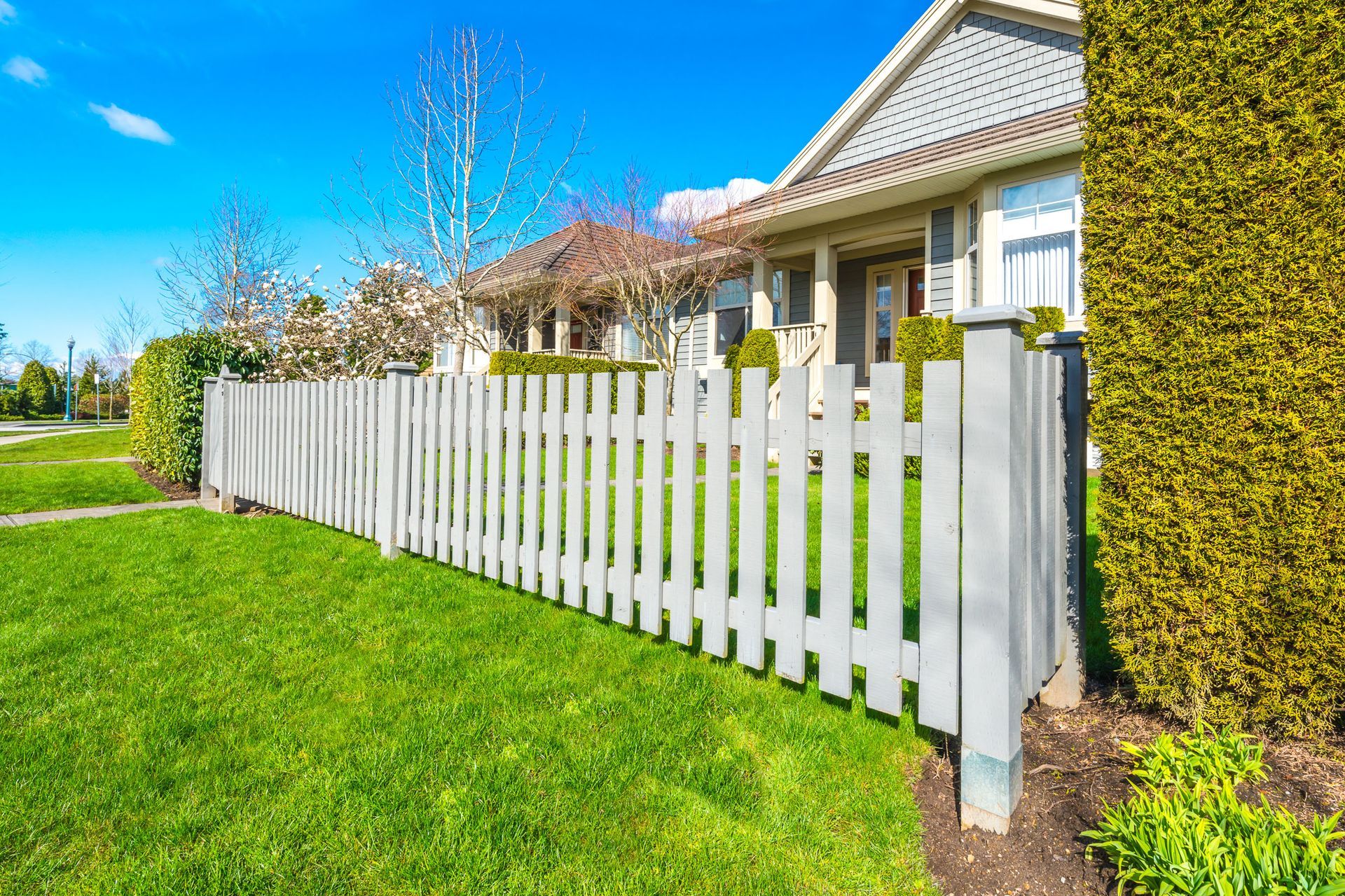
When it comes to choosing materials, safety should be your top priority. Materials such as vinyl and metal are highly recommended due to their durability and ability to withstand force. Wooden structures, while aesthetically pleasing, can sometimes pose splinter risks or degrade faster if not properly maintained.
Vinyl, specifically, offers a balance of durability, safety, and low maintenance—it's one of the best choices for environments exposed to moisture and weather elements. According to Yahoo.com, regular and steady upkeep of a vinyl boundary can extend its lifespan to an average of 20 to 30 years, or even more.
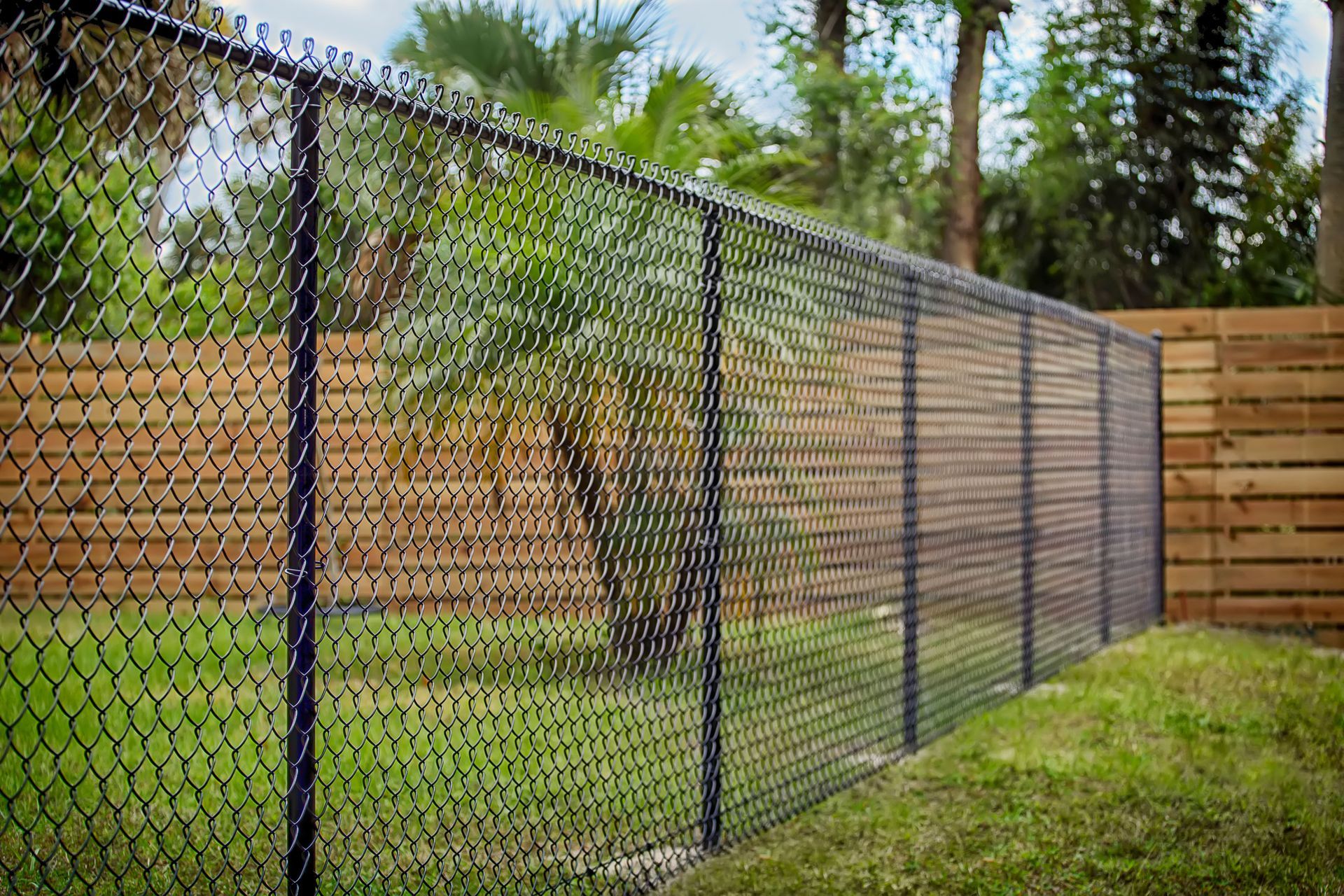
In addition to safety, the material you choose should also complement your local climate. If you live in a region prone to high humidity or rainfall, consider materials that resist corrosion and require minimal upkeep. Metal boundaries with protective coatings, along with certain treated wood types, are excellent for such conditions. Each material has its unique benefits and challenges; a discussion with your fence company can help pinpoint the best option for your specific situation.
Determine the Appropriate Height and Depth Specifications
Choosing the proper height is crucial for keeping your dog securely in your backyard. Generally, a tall barrier works well for most dogs to stop them from leaping over, especially energetic or larger breeds. However, for smaller or less active dogs, a lower height might suffice, providing a secure environment.
Discuss with your fence company the optimal height based on your dog’s tendencies and physical capabilities to minimize accidents. Taking time to assess these dynamics ensures a tailored solution that accommodates both safety and comfort.
Height modifications are an essential consideration, as well. Some providers offer height expansions without entirely replacing the existing system, making it a cost-efficient option. Extensions can include additional panels or unique installations that deter the potential eager climber, like angled tops. Being aware of adjustable solutions ensures you maintain optimal security even as circumstances evolve.
Integrate Safety Features and Advanced Locking Mechanisms
Safety locks and latches are vital components of a dog-friendly perimeter, serving as the first line of defense against escape attempts. Opt for self-closing latches with automatic locking mechanisms to ensure the gate stays secure whenever not in use. These mechanisms not only provide added security but also peace of mind for dog owners who might inadvertently leave a gate ajar. It's worth discussing with your fence company the possibility of integrating advanced locking systems for heightened control and security.
Next, it's crucial to evaluate the edges and finishes of your structure to prevent potential injuries to your dog. Sharp edges, exposed nails, or uneven posts could easily hurt a curious or excitable pet. Materials like vinyl significantly reduce these risks by offering smoother, more uniform surfaces. Incorporating additional safety barriers, such as mesh or screens, can also provide extra peace of mind. Working closely with your fence company to blend functionality with security and elegance creates a balanced outdoor setup perfect for supervision and recreation.
Plan Your Budget and Installation Timeline
The costs associated with different setups can vary widely depending on materials, design intricacies, and additional features. Metal structures tend to be more expensive due to their durability and high-end appearance. On the contrary, wood is often a more budget-friendly choice, though it might require more frequent maintenance over its lifespan. Vinyl options offer a good balance between cost and longevity, standing out for their low maintenance needs while maintaining aesthetic appeal.
The timeline for installation can vary widely depending on the project's scope, material complexities, and weather conditions. Typically, professional teams can complete a project within a short period, striving for a balance between time efficiency and quality. Before planning, inquire about your contractor’s current schedule, as high demand can lead to extended waiting times. Clear communication with your team ensures transparency throughout and facilitates precise planning adherence.
Choosing the right setup for a dog-friendly backyard requires careful consideration of numerous factors. Asking the right questions can transform your backyard into a safe place to play for your pet. By understanding your dog's unique needs and evaluating the various options available, you can work with a professional fence company to create a secure environment for your furry friend.
Ultimately, building the ideal boundary requires blending functional pet containment with the aesthetic preferences of your household. Taking a proactive approach prevents standard installation pitfalls, guaranteeing your backyard remains functional, beautiful, and secure. A durable property boundary increases curb appeal while ensuring you have a stress-free space for family gatherings and pet playtime. Do not hesitate to rely on expert craftsmanship to protect your household and property. By trusting qualified professionals, you can confidently open your backdoor knowing your pet is safe and sound.
Ready to secure your backyard for your canine companion? Contact Young's Fencing today to get started on building the perfect, safe perimeter for your pet!


Share On: