
Top Trend 2026: The Rise of Garden Fencing
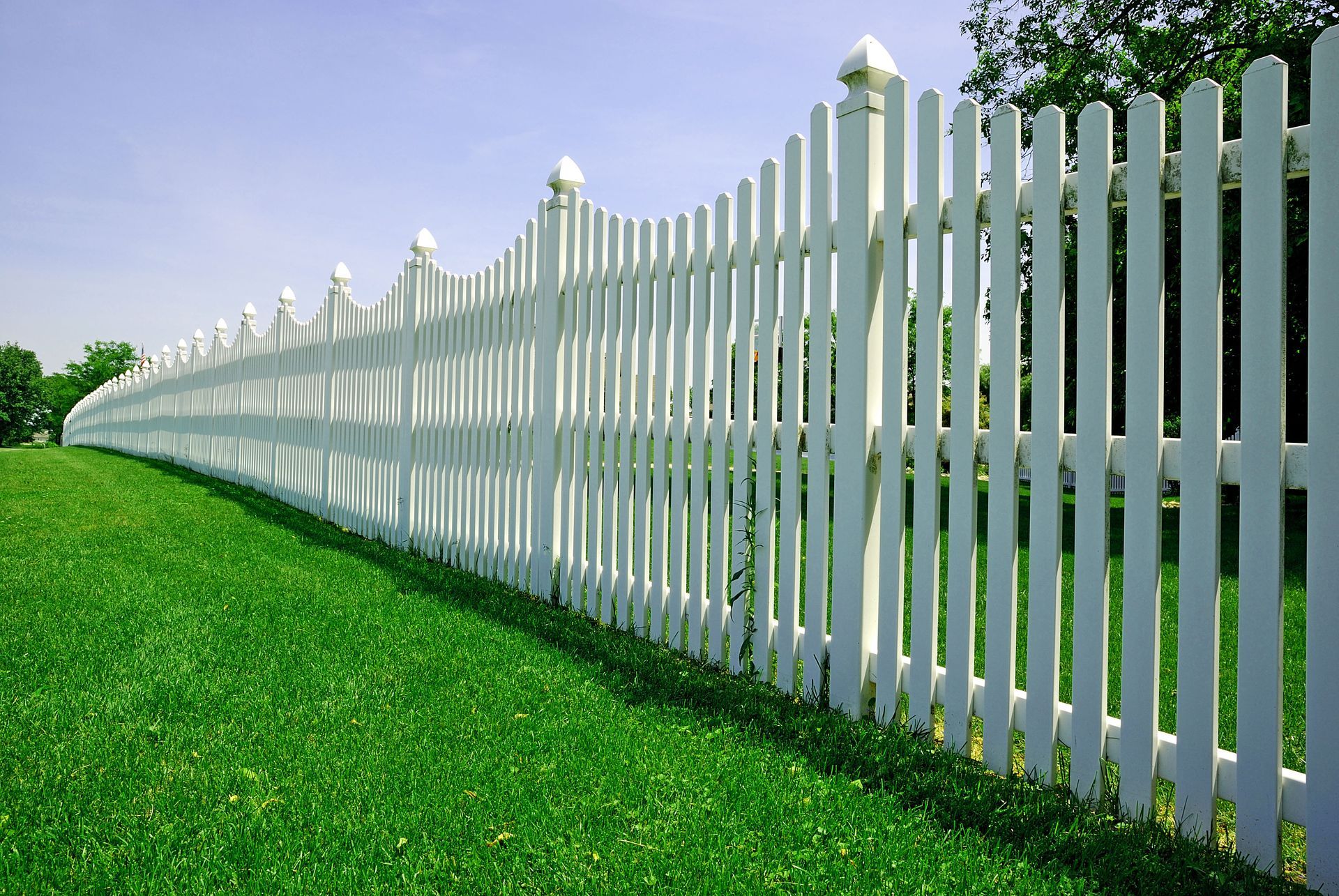
As homeowners continue to invest in outdoor living spaces, garden fencing is becoming an increasingly important feature of modern landscaping. In 2026, fences are no longer viewed solely as practical barriers designed to mark property boundaries or keep unwanted visitors out. Instead, they are becoming integral elements of garden design, combining privacy, security, sustainability, and visual appeal.
From minimalist metal panels to traditional wooden pickets, today's fencing options offer opportunities to personalize outdoor spaces while addressing practical needs. Homeowners are also paying greater attention to environmentally responsible materials, long-term durability, and designs that complement their gardens rather than overwhelm them. These changing priorities reflect a broader interest in creating outdoor environments that are functional, attractive, and easier to maintain.
Market developments also point toward continued interest in fencing products. According to Fortune Business Insights, North America was evaluated as the leading market shareholder and was projected to maintain that position throughout the 2020–2027 forecast period. Although that forecast period has ended, the finding highlights the region's established importance in the fencing market.
What Materials Are Best for Garden Fencing?
Choosing the right fencing material is one of the most important decisions in any landscaping project. Each option offers different advantages in terms of appearance, cost, maintenance, and lifespan, making it essential to consider how a fence will perform in its intended environment.
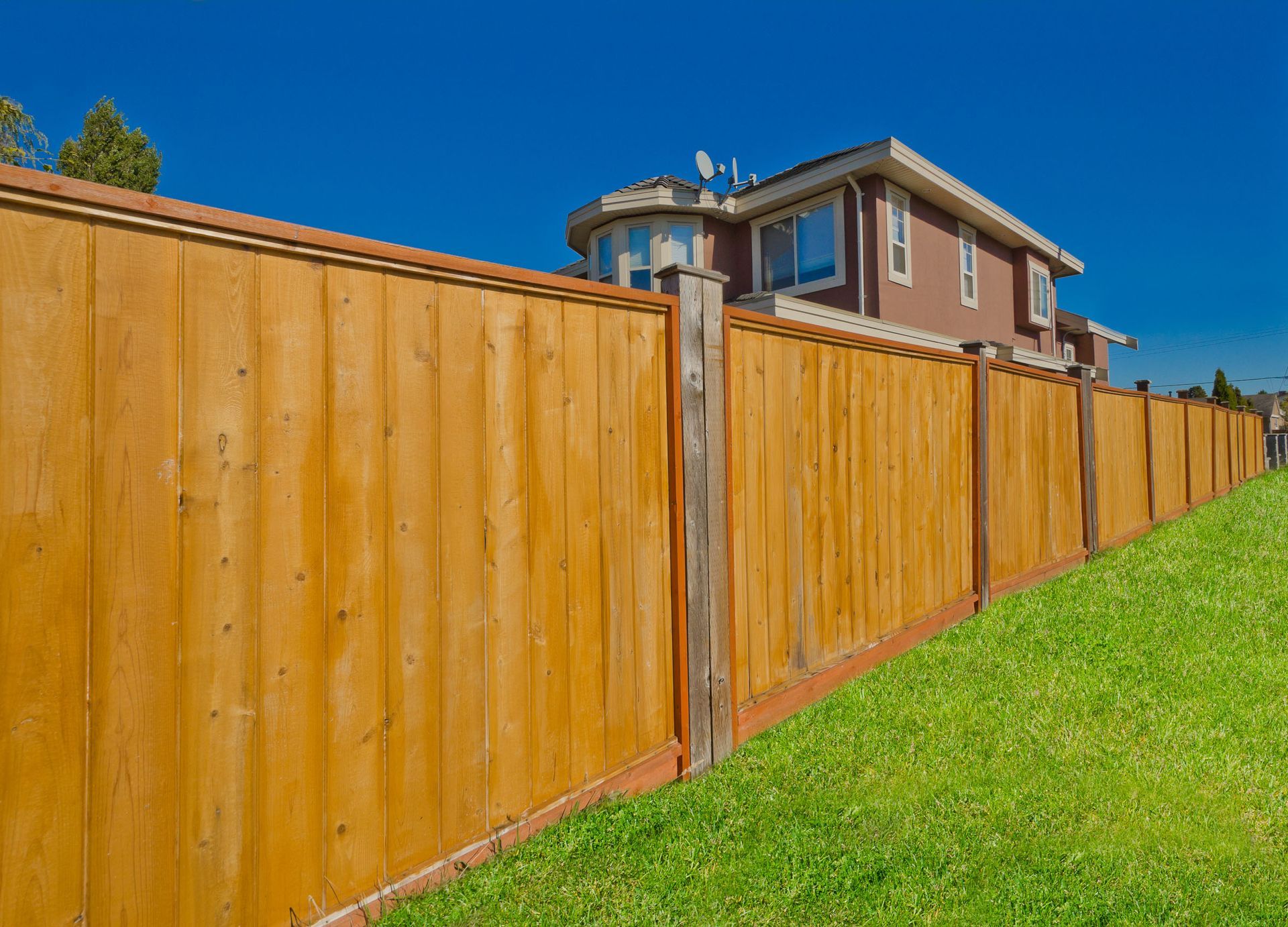
Wood remains a popular choice for homeowners who appreciate a natural appearance. Cedar, redwood, and pressure-treated lumber are commonly used because they offer varying degrees of resistance to moisture, insects, and decay. Wooden fences can be painted, stained, or left to weather naturally, providing considerable design flexibility. However, they may require periodic sealing, staining, or repairs to protect against the elements. In regions with harsh winters or frequent rainfall, these maintenance requirements deserve particular attention.
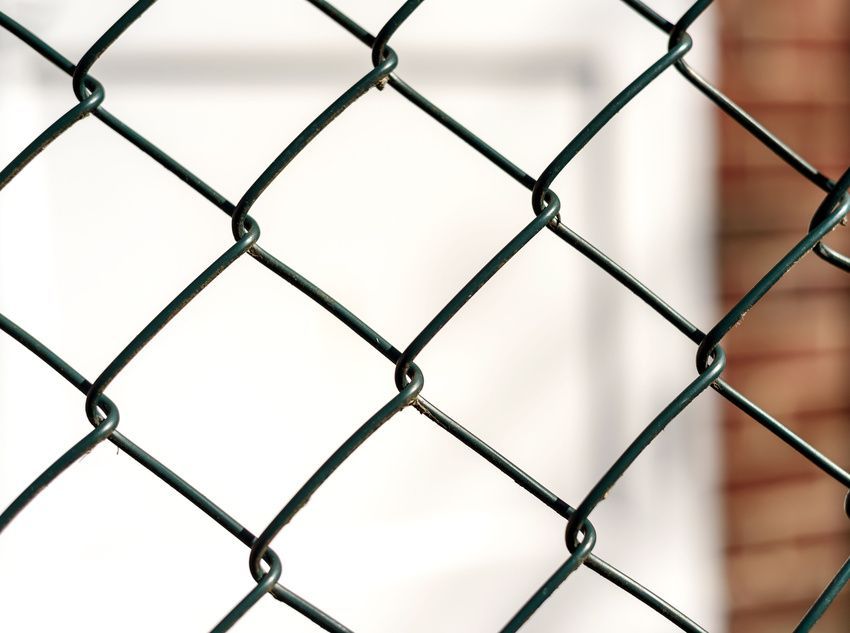
Metal fencing offers another versatile solution. Aluminum is lightweight, resists rust, and generally requires relatively little maintenance. Wrought iron and steel provide a more substantial appearance and can create distinctive decorative features, although some products need protective coatings to prevent corrosion. Metal designs work especially well in contemporary landscapes and formal gardens, where clean lines and open sightlines are desirable.
Vinyl fencing appeals to homeowners seeking a low-maintenance alternative. Available in numerous colors and styles, it does not require routine painting or staining and resists moisture-related deterioration. Nevertheless, quality varies between products, and some vinyl fences can become brittle after prolonged exposure to extreme temperatures or ultraviolet radiation. Damaged sections may also be more difficult to repair seamlessly than individual wooden boards.
Composite fencing, typically manufactured from a combination of wood fibers and recycled plastics, offers a compromise between natural aesthetics and reduced maintenance. It can resist rot and insect damage while delivering a wood-like appearance. Although initial costs are often higher than those of basic timber fencing, reduced upkeep may make composite materials attractive over the long term.
How to Choose the Right Garden Fence for Your Needs?
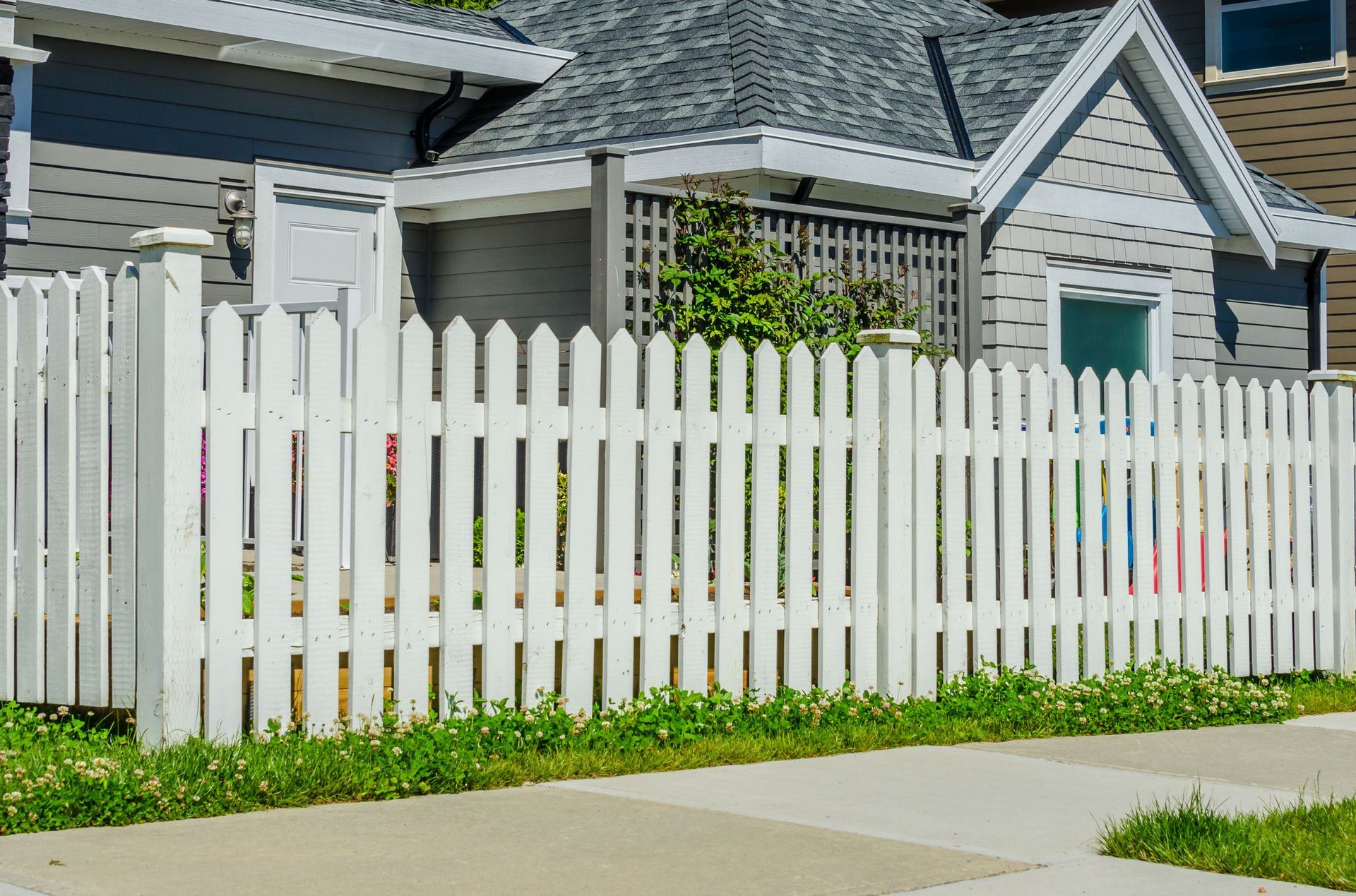
Selecting an appropriate fence starts with identifying its primary purpose. Homeowners seeking privacy may prefer solid panels that block views into the yard, while those who want to showcase flower beds might choose decorative picket fencing or open metal designs. Gardeners growing vegetables may prioritize protection against rabbits, deer, and other animals, making mesh or appropriately sized barriers more practical than purely decorative alternatives.
Budget is another important consideration. The total project cost includes more than the price of the fencing material itself. Posts, concrete, fasteners, gates, ground preparation, and labor can significantly affect the final expense. Establishing a realistic budget early makes it easier to compare options without sacrificing essential features.
A fence should also complement the home's architecture and surrounding landscaping. Traditional properties may benefit from painted timber or ornamental metal, while contemporary homes often pair well with horizontal slats, understated colors, and simple geometric patterns. The fence's height, spacing, and finish should contribute to a cohesive outdoor design.
What Are the Latest Trends in Garden Fencing for 2026?
Several design priorities are shaping fencing choices in 2026, including sustainability, personalization, and the integration of outdoor living spaces. Rather than treating fences as isolated structures, homeowners increasingly view them as part of a larger landscape design.
Eco-conscious materials are one notable trend. Recycled composites, responsibly sourced timber, and durable products designed to minimize replacement needs appeal to homeowners looking to reduce their environmental footprint. Choosing materials with long service lives can also reduce waste associated with frequent repairs and replacements.
Another emerging direction involves combining different materials. Wooden slats paired with metal frames, for example, create visual contrast while balancing warmth and structural strength. Mixed-material designs can also help define different areas of a property, separating vegetable gardens from entertaining spaces without making the landscape feel disconnected.
Technology is influencing fencing design as well. Smart gates, electronic access controls, and integrated security sensors can improve convenience and help homeowners manage access to their properties. Although fully connected fencing systems are not necessary for every garden, selected features can be useful for larger properties or households with specific security requirements.
What Are the Installation and Maintenance Considerations for Garden Fencing?
Successful installation begins with careful planning. Before work starts, homeowners should confirm property lines, identify underground utilities, and check local restrictions governing fence height and placement. Neglecting these steps can lead to disputes, unexpected expenses, or the need to relocate an installation.
Ground conditions also matter. Sloping terrain may require stepped panels or a fence that follows the contour of the land. Posts must be installed securely, with appropriate depth and support for the soil conditions and expected wind loads. In colder climates, installers should account for frost depth and the risk of seasonal ground movement.
DIY installation can reduce labor expenses and give homeowners greater control over the finished appearance. It may be suitable for straightforward projects involving lightweight panels, simple layouts, and manageable ground conditions. However, uneven terrain, heavy materials, complicated gates, and extensive installations can make professional assistance worthwhile. Experienced installers can help ensure alignment, structural stability, and compliance with applicable requirements.
Maintenance varies according to the material. Wood benefits from periodic inspections for rot, loose fasteners, and peeling finishes. Metal fences should be checked for corrosion, damaged coatings, and unstable connections.
How Does Garden Fencing Impact Biodiversity and the Environment?
Fencing can influence local ecosystems in ways that extend beyond the boundaries of a property. Although it can protect young plants and vegetable crops, an improperly designed barrier may restrict wildlife movement or fragment habitats. Small mammals, reptiles, and other ground-dwelling animals may struggle to pass through solid barriers that extend continuously to the ground.
Wildlife-friendly designs can help address these concerns. Where security requirements allow, small ground-level gaps or appropriately positioned openings may permit smaller animals to move between habitats. However, openings should be designed carefully when pets, livestock, or vulnerable garden plants need protection.
Living fences can provide additional ecological benefits. Native hedges and climbing plants may offer shelter, nesting opportunities, and food for birds and beneficial insects. Planting regionally appropriate species can also support pollinators while improving the visual connection between a fence and its surroundings.
Ultimately,
garden fencing offers more than a way to define property boundaries. When selected and installed thoughtfully, it can enhance privacy, protect plants, complement landscaping, and contribute to a healthier outdoor environment. As gardening trends continue to evolve, fences are likely to remain an important part of creating attractive, functional, and sustainable residential landscapes. If you need a fence, reach out to Young's Fencing today!



Share On: