
Which Types of Fence Hold Up Best for the Winter
Freezing temperatures, heavy snowdrifts, and biting winds put every backyard boundary through a tough seasonal endurance test. Not every material handles ice and frost equally well once January arrives. Exploring how popular fencing options react to harsh winter weather helps you pick a sturdy border built for cold months. Having a fencing contractor discuss materials that shrug off freeze-thaw cycles saves you from springtime repairs and leaning posts.
Choosing Powder-Coated Aluminum for Frost Resistance
Subzero mornings and sudden midday thaws make plenty of outdoor building materials expand, contract, and crack over time. Aluminum handles wild temperature swings with remarkable ease because the metal refuses to rust, rot, or turn brittle when the thermometer plunges below freezing. Slushy snow piled against bottom rails melts away cleanly each spring without leaving dark water stains or soft spots behind. Even when heavy ice coats every picket overnight, lightweight aluminum keeps its crisp geometry without sagging.
Open-picket aluminum designs also let blustery winter gusts pass right through the yard instead of catching wind like a giant sail. That airy layout reduces lateral pressure on posts during fierce January blizzards and heavy ice storms. Working with a knowledgeable fencing contractor helps you select heavy-gauge aluminum panels built to carry wet snow loads without bending. Strong internal rail walls keep each section rigid even when snowplows push heavy drifts near front property lines.
Sleek powder-coated finishes bake color directly onto the metal surface so freezing rain cannot peel or blister the outer layer. Even after years of road salt spray near front driveways, quality aluminum stays crisp and handsome. Property owners love watching snow melt away to reveal a straight, clean fence that needs zero spring touch-ups. Durable factory coatings hold their rich finish through decades of harsh northern winters.
Selecting Heavy-Duty Steel for Blizzard Strength
When winter brings towering snowdrifts, howling winds, and falling tree branches, ornamental or galvanized steel brings unmatched muscle to the property line. Steel posts and rails carry far higher tensile strength than lightweight metals, meaning accidental bumps from snow blowers or heavy wet snowbanks rarely leave dents. Deeply set steel posts anchored below the local frost line resist the upward push of freezing soil all winter long. Thick welded joints keep panels locked tightly together even when gusty storms rattle the neighborhood.
Frost heave ruins poorly anchored fences whenever damp ground freezes, expands upward, and tilts posts out of alignment by March. An experienced fencing contractor knows the exact regional frost depth required so concrete footings stay locked firmly beneath frozen earth. Solid foundational prep keeps gates swinging smoothly even during the coldest weeks of February. Proper drainage around each footing also prevents ice pockets from shifting posts out of plumb.
Modern zinc galvanization paired with baked-on protective topcoats shields steel surfaces from winter moisture and de-icing salts. While older wrought iron demanded constant scraping and repainting to fight rust, contemporary steel stays spotless through sleet and snow. That combination of pure strength and weather armor makes steel a favorite in northern climates. Homeowners enjoy complete peace of mind knowing their perimeter can handle whatever winter throws at it.
Picking Quality Vinyl for Moisture Protection
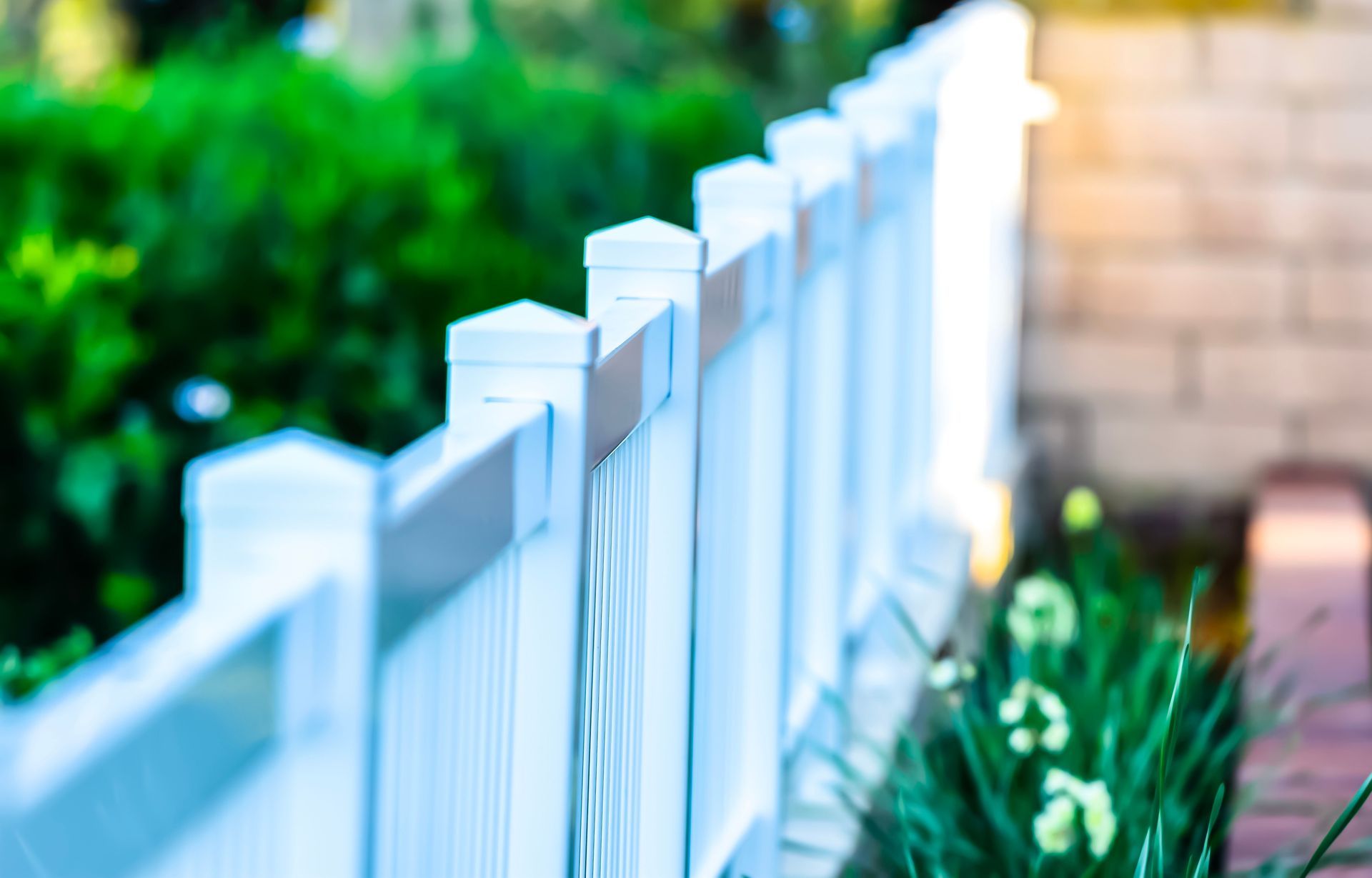
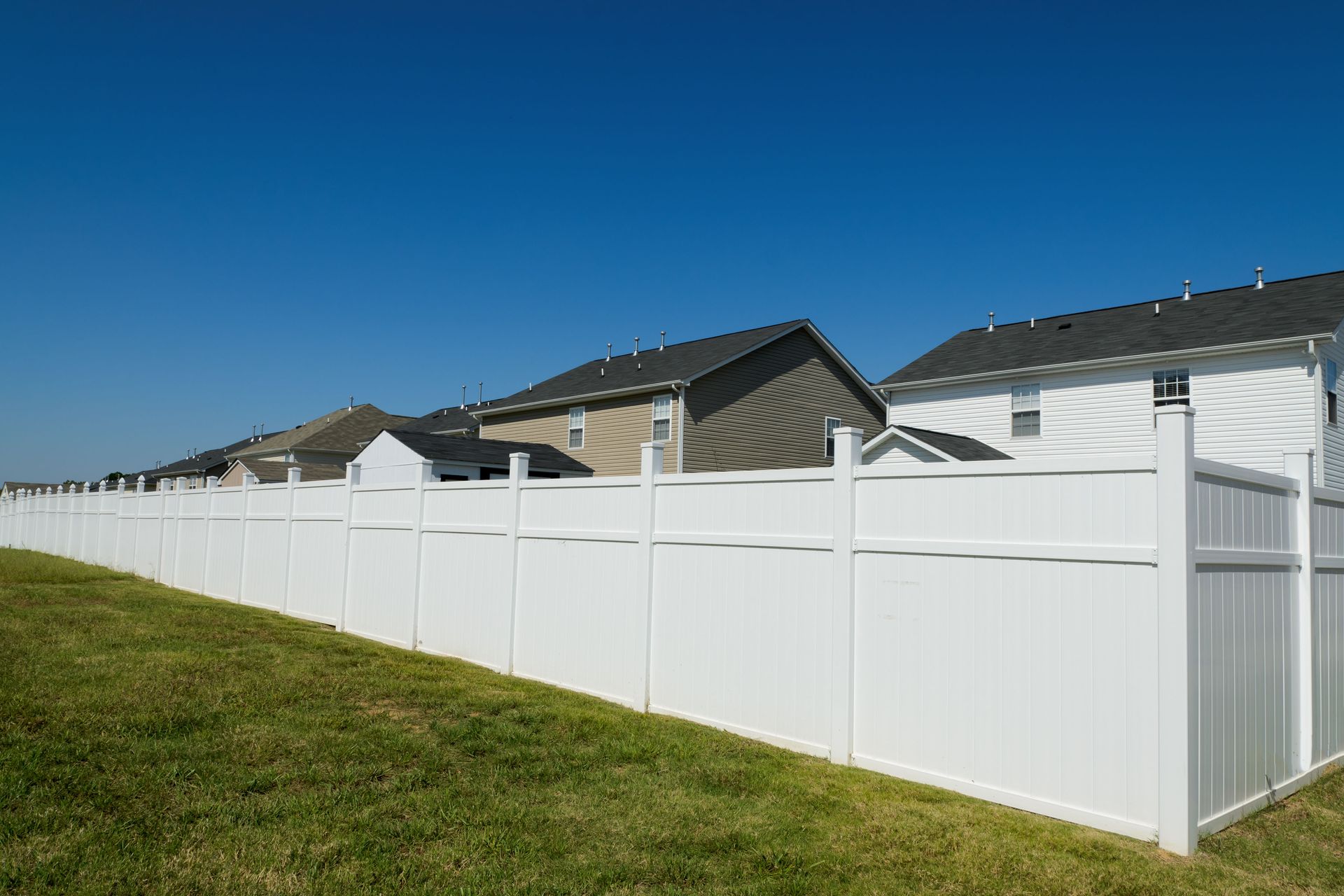
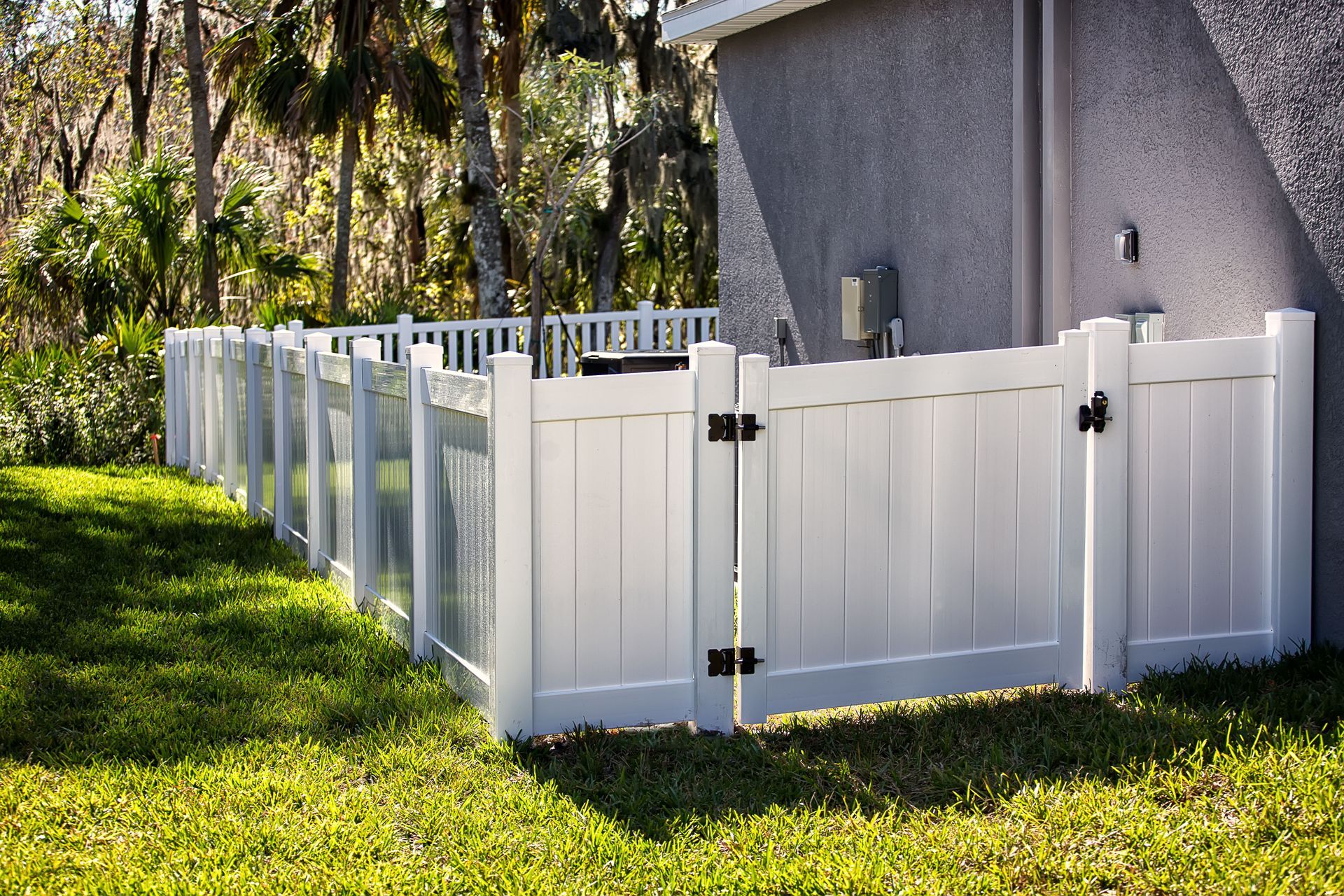
Winter weather swings constantly between freezing nights, slushy afternoons, and damp sleet that soaks into porous outdoor surfaces. Non-porous vinyl repels water completely, meaning snowbanks and freezing rain never soak into the panels to cause swelling, splitting, or fungal decay. Smooth white or tan surfaces shed wet snow easily instead of holding heavy moisture against the rails. Because water beads right off the surface, ice buildup releases quickly as soon as the morning sun hits the yard.
Modern cold-weather vinyl formulas include special impact modifiers that keep panels flexible even when temperatures dip well below zero. Older, lower-grade plastics sometimes turned stiff in January, whereas thick, UV-stabilized vinyl stays resilient against winter winds and stray sleds. Consulting a skilled fencing contractor gives you access to commercial-grade vinyl built specifically for harsh seasonal extremes. Reinforced bottom rails also prevent panels from bowing when wet snow settles along the lawn.
Yard boundaries play a big role in how families organize and enjoy their outdoor spaces throughout every season of the year. According to Houston Agent, fenced yards exist in around 25% of backyards. Keeping a privacy vinyl enclosure looking bright and clean through muddy thaws takes nothing more than a quick rinse once spring temperatures return. Low-maintenance durability makes vinyl an easy favorite for busy households facing long snowy seasons.
Utilizing Cedar Wood for Natural Weather Defense
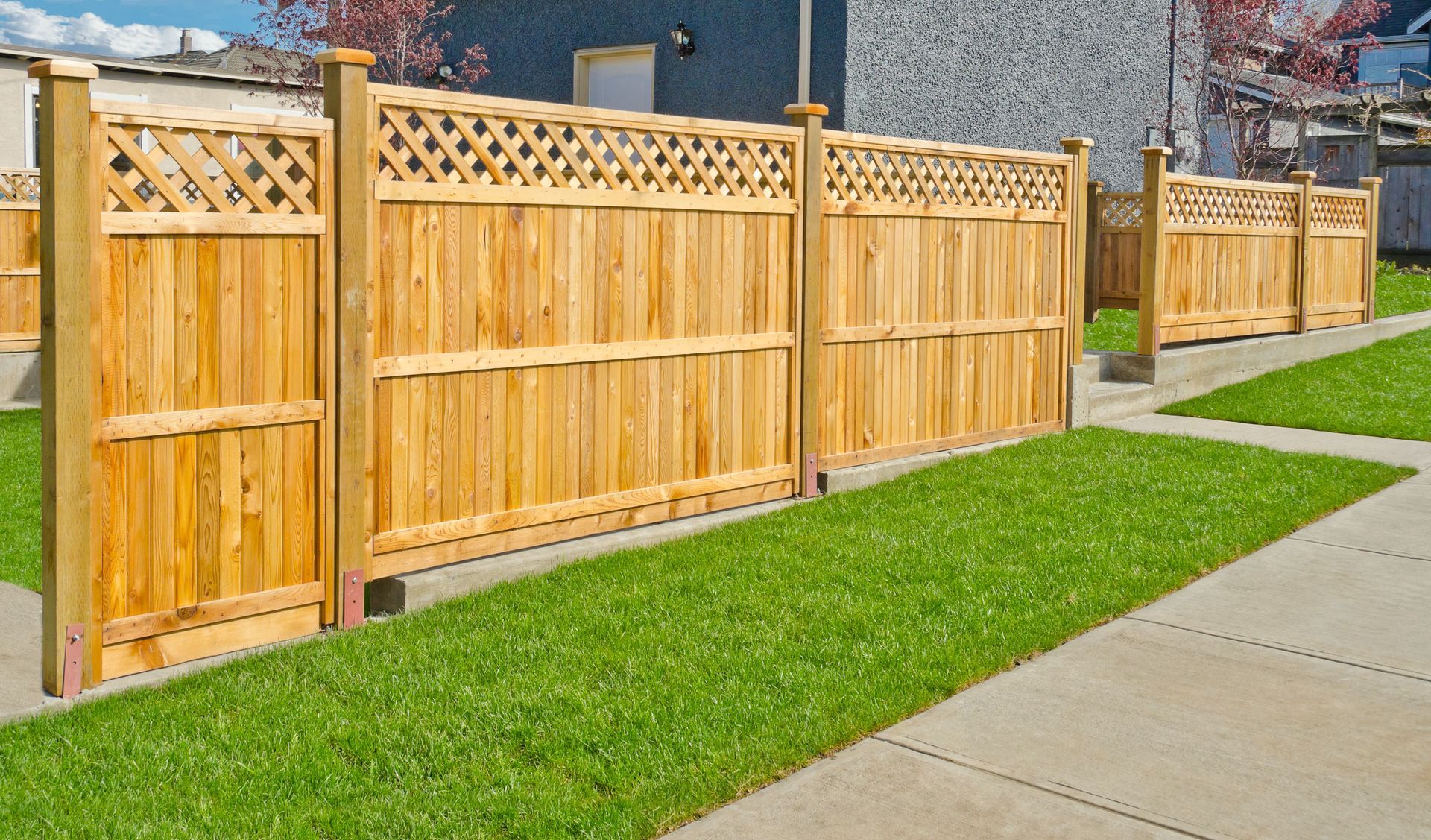
Many homeowners adore the warm, organic beauty of real wood framing their snowy backyard landscapes, and western red cedar stands head and shoulders above ordinary pine in winter. Cedar contains natural oils and resins that actively repel moisture, resist rot, and deter winter pests without heavy chemical treatments. Unlike softer lumber that warps and twists after repeated freeze-thaw cycles, cedar stays remarkably straight and dimensionally stable. Its natural cellular structure handles damp snow and biting dry winds without shrinking or cupping.
Tight, straight grain patterns keep cedar pickets from splitting open when trapped moisture freezes inside the wood fibers overnight. Applying a breathable, penetrating oil sealer before the first autumn frost adds an extra layer of water-shedding protection across boards and posts. Partnering with a seasoned fencing contractor lets you pair top-grade heartwood cedar with rust-resistant stainless steel fasteners that never leave dark streaks down damp boards. Quality hardware keeps every picket seated snugly through years of seasonal expansion and contraction.
Even under a thick blanket of January snow, a well-built cedar fence brings cozy cabin charm to any neighborhood lot. Proper board spacing and elevated bottom rails keep wood ends out of standing slush puddles during late-winter melts. With smart material selection and clean craftsmanship, natural cedar ages gracefully through dozens of winters. Warm wood tones bring inviting character to gray winter landscapes all season long.
Installing Composite Fencing for All-Season Durability
Blending recycled wood fibers with durable polymers creates composite fencing that captures rich timber texture without winter maintenance headaches. Because polymer encapsulation seals out snow, ice, and slush, composite boards never absorb moisture, splinter, or warp during wet winter thaws. Heavy wind gusts bounce right off thick, interlocking composite boards that stay firmly seated inside reinforced posts. Dense board construction also stands strong against heavy snowdrifts piled up by winter storms.
Unlike traditional wood that fades to gray under harsh winter glare reflected off snowfields, modern composite boards lock in rich color pigments permanently. You never have to worry about peeling paint, flaking stain, or cracked boards when April sunshine finally melts the last snowbank. Relying on a dedicated fencing contractor delivers clean post spacing and proper thermal expansion gaps so panels adjust naturally as temperatures rise and fall. Leaving exact breathing room inside the channels keeps boards completely flat from subzero January nights to warm July afternoons.
Combining thoughtful material choices with careful site preparation keeps your yard looking neat, structured, and welcoming even in the dead of winter. Calling on a capable fencing contractor sets your property up with a sturdy, weather-ready perimeter built to handle snow, ice, and wind for decades. Investing in cold-weather resilience protects your yard's appearance and saves you from springtime headaches year after year.
Choosing winter-ready materials like powder-coated aluminum, galvanized steel, cold-weather vinyl, western red cedar, or composite keeps your boundary straight and strong through snow and ice. Proper post depth and weather-resistant finishes prevent frost heave and moisture damage. Partnering with skilled specialists delivers lasting beauty and reliability year-round. Contact Young's Fencing to achieve a weather-tough perimeter that keeps your property protected and looking sharp through the cold and everything else.



Share On: