
A Complete Guide to Fence Install: What You Need to Know
Installing a fence is one of the most practical and rewarding upgrades you can make to your property. Whether you want to enhance privacy, improve security, define boundaries, or boost curb appeal, a well-installed fence delivers both functional and aesthetic benefits. However, fence installation is more than simply placing posts into the ground—it requires thoughtful planning, material selection, and professional execution to ensure long-lasting results.
If you’re considering adding a fence to your property, understanding the full process can help you avoid costly mistakes and set realistic expectations. This guide walks you through everything you need to know before, during, and after a fence install so you can make informed decisions and enjoy a structure that serves your needs for years to come.
Why Installing a Fence Is a Smart Investment
A fence offers more than just a physical barrier. For many homeowners, it provides peace of mind by creating a secure environment for children and pets. It also deters unwanted visitors and can help reduce noise depending on the material you choose.
From a financial perspective, a professionally installed fence can increase property value and improve marketability. Prospective buyers often view fencing as a desirable feature because it saves them time and effort after moving in. Additionally, fences contribute significantly to curb appeal by framing the property and creating a polished, cohesive look.
Beyond resale value, fences can improve everyday living. Imagine enjoying your backyard without worrying about privacy or clearly marking where your property begins and ends. These practical advantages make fence installation a worthwhile long-term investment.
Understanding Your Purpose Before You Begin
Before selecting materials or scheduling installation, it’s essential to identify your primary reason for installing a fence. Different goals require different solutions, and clarifying your priorities will help guide every decision that follows.
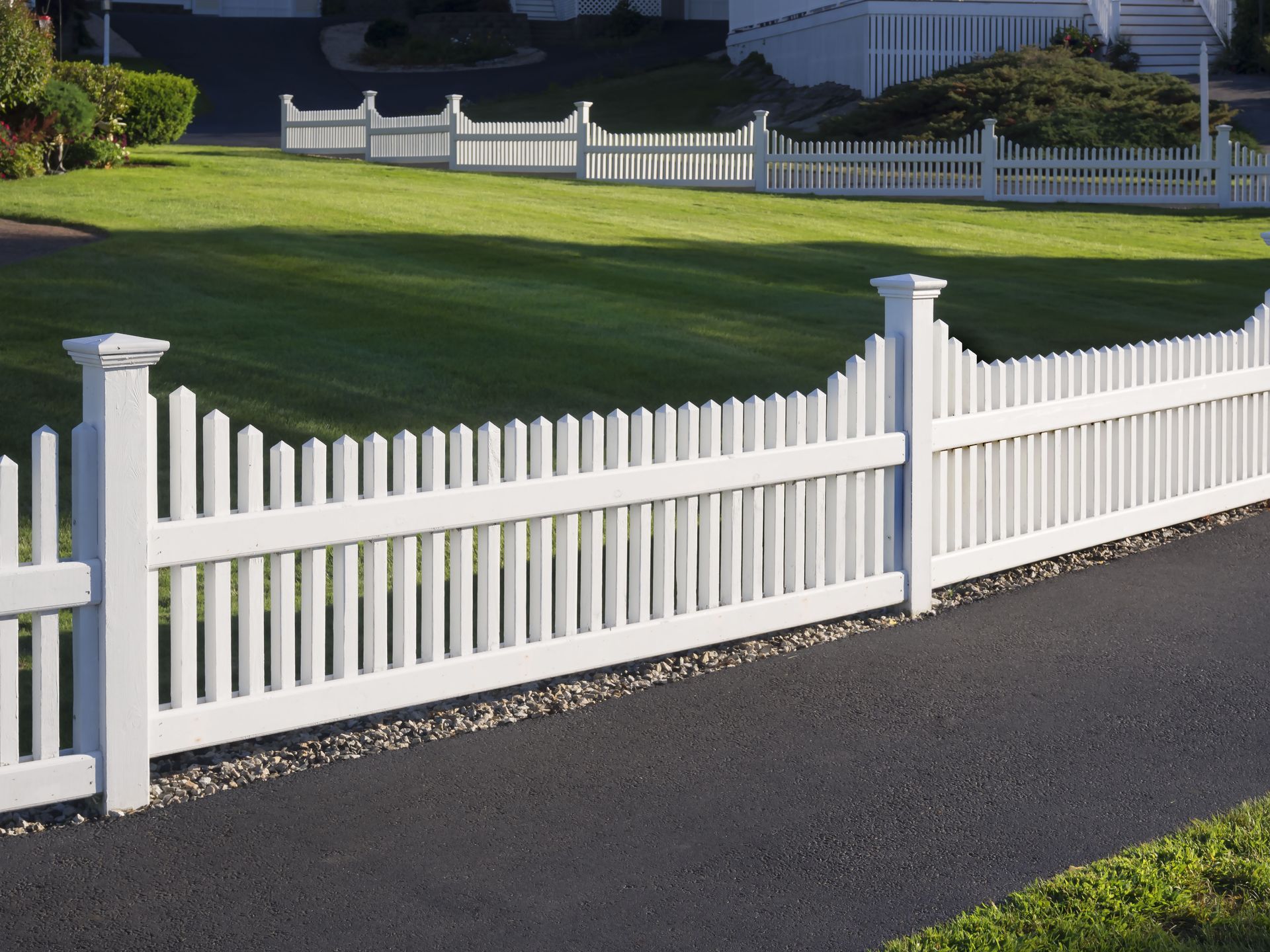
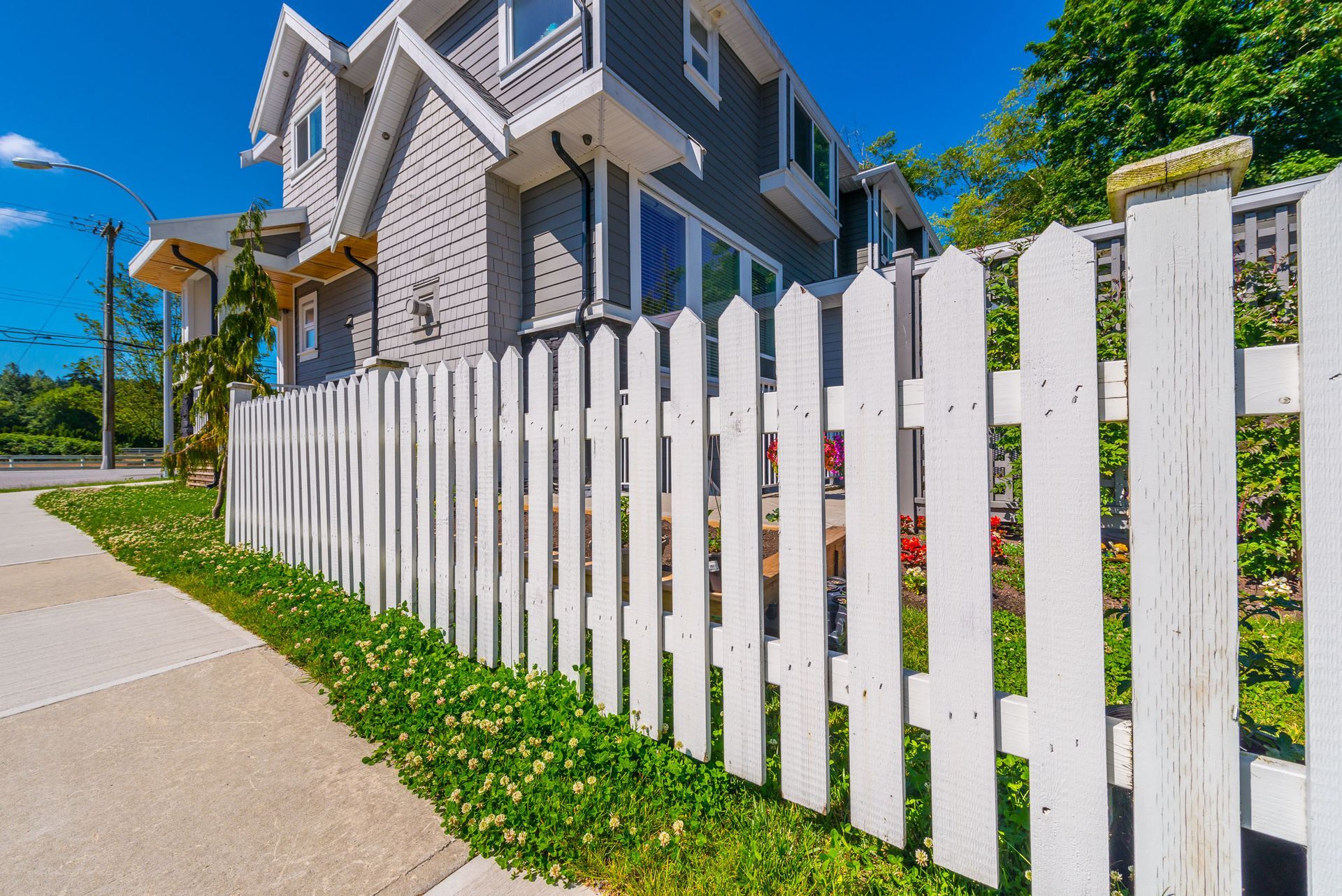
If privacy is your main concern, taller solid-panel fences made from wood, vinyl, or composite materials are often ideal. For security, aluminum or steel fencing paired with controlled entry points can create a strong protective perimeter. Homeowners focused on aesthetics may prefer decorative options such as picket or ornamental metal fencing.
For pet owners, durability and gap spacing are critical factors. A fence should be high enough to prevent jumping and designed to eliminate openings that curious animals could squeeze through.
Clearly defining your purpose ensures that your investment aligns with your lifestyle rather than becoming an expensive feature that doesn’t fully meet your needs.
Exploring Popular Fence Materials
One of the biggest decisions you’ll face is choosing the right material. Each option comes with unique advantages, maintenance requirements, and visual characteristics.
Wood fencing remains a classic choice due to its natural beauty and versatility. It can be stained or painted in virtually any color, allowing homeowners to customize the appearance. However, wood requires routine maintenance to protect against moisture, insects, and weathering.
Vinyl fencing has grown in popularity because it is low-maintenance and resistant to rot and fading. Unlike wood, it does not require repainting, making it attractive for homeowners seeking convenience. While the upfront cost may be higher, reduced maintenance expenses often balance the investment over time.
Aluminum fencing is valued for its strength and elegant look. It resists rust and performs well in various climates, making it a durable long-term solution. Many homeowners choose aluminum when they want security without obstructing views.
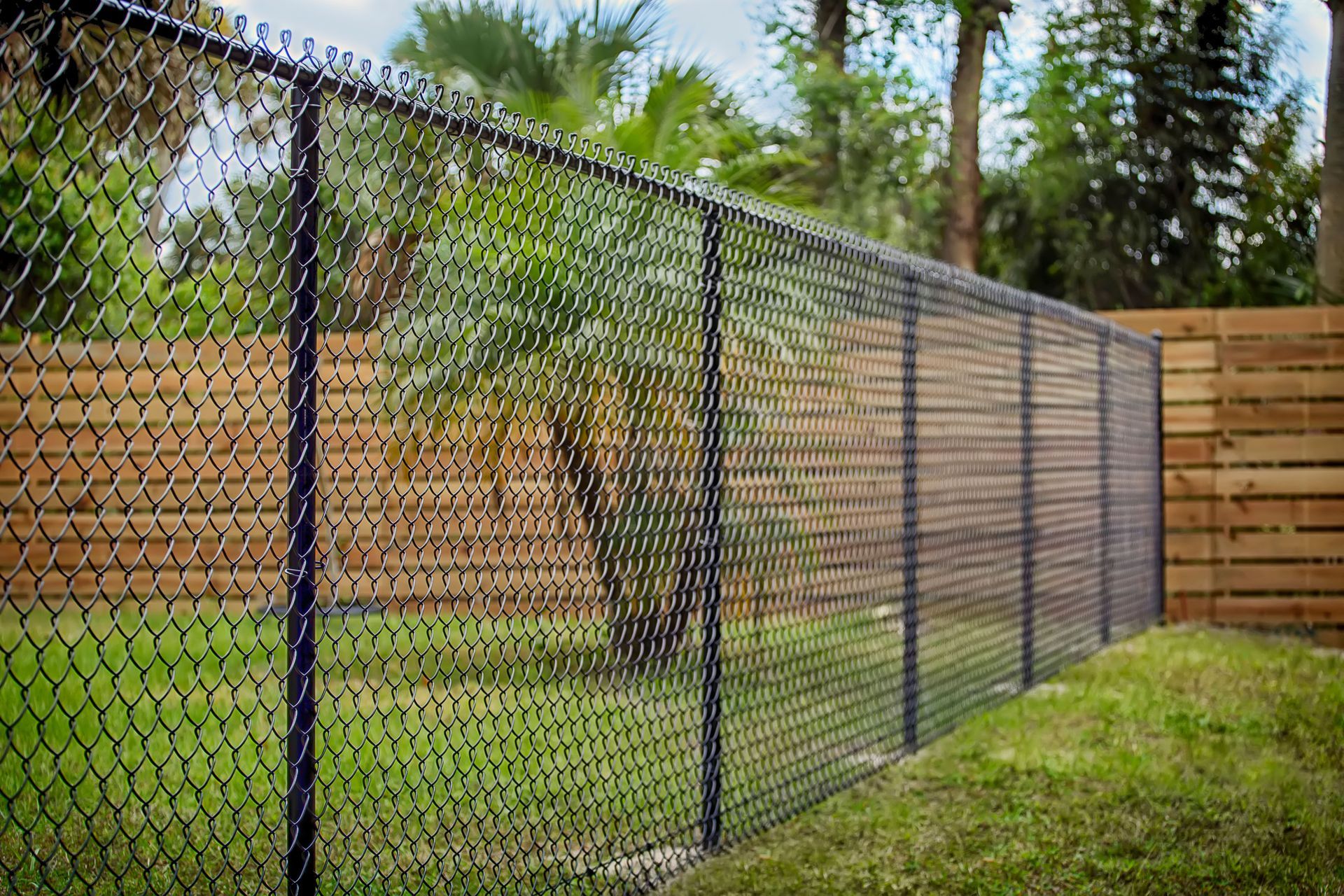
Chain-link fencing is one of the most cost-effective options available. Though not known for privacy, it is durable and practical, particularly for large areas. Privacy slats can be added for increased coverage.
Composite fencing blends recycled materials with wood fibers to create a sturdy, eco-friendly alternative. It offers the look of wood with less maintenance, appealing to environmentally conscious property owners.
When selecting a material, consider your climate, maintenance preferences, budget, and long-term expectations.
Checking Local Regulations and Property Lines
One of the most overlooked steps in fence installation is understanding local regulations. Many municipalities have zoning laws that dictate fence height, placement, and even style in certain neighborhoods.
Homeowners’ associations may also impose guidelines regarding color, materials, and design. Failing to comply with these rules could result in fines or mandatory removal, so it’s wise to research requirements early in the planning process.
Equally important is confirming your property lines. Installing a fence even slightly beyond your boundary can create disputes with neighbors and potentially lead to legal complications. Hiring a professional surveyor ensures accuracy and prevents future headaches.
Open communication with neighbors is also recommended. Discussing your plans beforehand can foster goodwill and avoid misunderstandings once construction begins.
Planning the Layout and Design
Thoughtful design plays a significant role in how your fence complements your property. Start by evaluating the terrain—sloped yards, rocky soil, and landscaping features may influence installation techniques and costs.
Consider how the fence will connect with existing structures such as gates, driveways, and walkways. Strategic gate placement improves accessibility while maintaining security.
Design details such as post caps, lattice tops, or decorative panels can elevate the overall appearance. While these features may seem minor, they contribute to the finished look and can transform a basic fence into a standout property feature.
Lighting is another consideration that many homeowners overlook. Integrating lighting along the fence line can enhance safety and create a warm, inviting atmosphere during evening hours.
Preparing Your Property for Installation
Once the design is finalized, preparation begins. Clearing the installation area is essential for an efficient process. Remove debris, trim vegetation, and relocate obstacles that might interfere with digging.
Utility lines must be identified before any excavation takes place. Contacting local utility services helps prevent accidental damage to underground infrastructure such as gas, water, or electrical lines.
Proper preparation not only protects your property but also allows installers to work more efficiently, reducing delays and unexpected expenses.
What to Expect During the Installation Process
Fence installation typically starts with marking the layout. Installers outline the perimeter to confirm measurements and ensure alignment with the planned design.
Next comes post installation, which forms the structural backbone of the fence. Posts are set deep into the ground—often secured with concrete—to provide stability against wind and shifting soil.
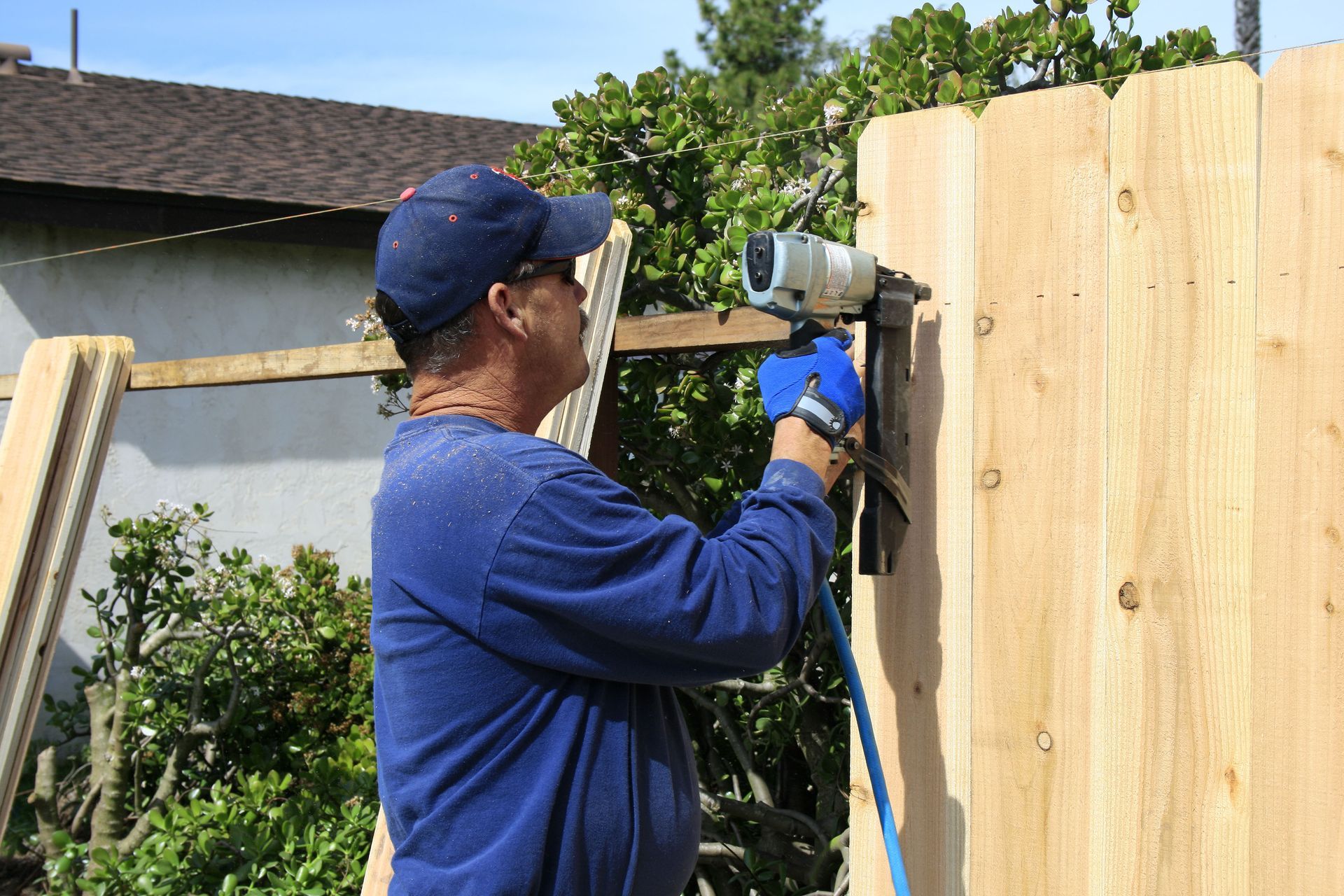
After the posts cure, panels or rails are attached. Precision is key at this stage, as consistent spacing and level placement determine both the appearance and durability of the fence.
Finally, gates are installed and hardware is secured. Professional installers test functionality to confirm that gates open smoothly and latch properly.
Depending on the size of your property and the material selected, installation may take anywhere from a couple of days to over a week.
Fence installation is a significant project, but with the right preparation, it can be a smooth and rewarding experience. By understanding your goals, researching materials, complying with regulations, and partnering with skilled professionals, you set the stage for a structure that delivers lasting value.
A thoughtfully installed fence enhances privacy, strengthens security, and adds visual appeal—all while supporting your property’s long-term worth. Whether you’re seeking a quiet backyard retreat or a polished perimeter that frames your home beautifully, the effort invested in proper planning pays off.
According to FastExpert, installing a fence offers a 50% to 70% ROI. As you move forward, remember that the best fences are those designed with both present needs and future expectations in mind. Take the time to explore your options, ask questions, and prioritize quality. With the right approach, your fence will stand strong for years, offering protection, beauty, and peace of mind every day. Be sure to reach out to Young's Fencing today for more information on our professional fence install services!


Share On: